


















Fursuit Myths and Facts: What the Hobby Is Really Like
Fursuits attract a lot of curiosity. Some people see a photo of a colorful character at a convention and want to know everything about it. Others have only heard half-stories and assumed the rest. This article covers a short history of fursuits, then goes through the most common myths and what the hobby is actually like.
Fursuits attract a lot of curiosity. Some people see a photo of a colorful character at a convention and want to know everything about it. Others have only heard half-stories and assumed the rest. This article covers a short history of fursuits, then goes through the most common myths and what the hobby is actually like.
A Short History of the Fursuit
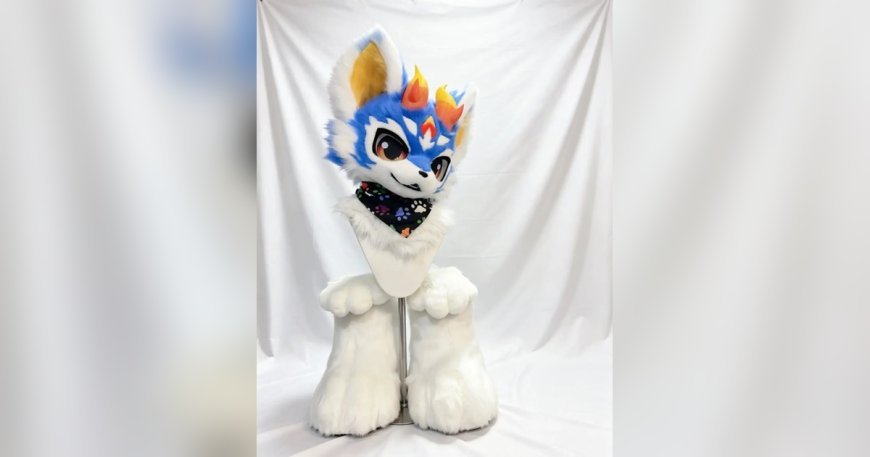
A fursuit is a handmade animal-character costume, usually worn by someone in the furry fandom. Costumes of animal characters have existed for a long time in theater, mascots, and fan events, but fursuiting as a hobby grew out of the furry community. It spread through science fiction and fan conventions, and then through online forums and social media, where makers and wearers could share photos and techniques.
Over time, the craft has changed a great deal. Early suits were often simple and homemade. Today, skilled makers build heads with movable jaws, detailed eyes, built-in fans, and carefully trimmed fur, and many conventions host fursuit parades, dance contests, and group photos. This overview is general, and the community's own history is richer than a few paragraphs can cover.
Myth 1: "Fursuits Are Just Mascot Costumes"
Fact: Mascots usually represent a team or a brand, and many people share the same costume. A fursuit is built around one specific character, often the wearer's own "fursona," with its own colors, markings, and personality. The wearer usually owns the suit, helps design it, and brings the character to life at events.
Myth 2: "You Have to Be a Furry to Wear One"
Fact: Most fursuit wearers are part of the furry fandom, but plenty of people enjoy fursuits as performers, cosplayers, artists, or simply as a creative hobby. You don't need to define yourself in any particular way to appreciate the craft or to try wearing one.
Myth 3: "Fursuiting Is Only for Adults With Lots of Money"
Fact: Costs vary a lot. Custom suits from experienced makers can be expensive, but there are many entry points. Ears, tails, and paws are affordable, premade heads usually cost less than commissions, and many people build their first pieces at home. The hobby also includes people of many ages, though minors should follow event rules and have supervision where required.
Myth 4: "You Can't See or Move Properly Inside"
Fact: A well-made suit has planned visibility, usually through mesh areas in the eyes or mouth, and good makers consider field of view during the design. Vision is still more limited than normal, so wearers move carefully, use handlers in crowds, and take breaks. With practice, most people get used to it.
Myth 5: "Fursuits Are Dangerously Hot"
Fact: Fursuits do get warm, and heat is the hobby's biggest practical challenge. But it's manageable with sensible habits: drinking water, taking regular breaks, using cooling gear, wearing light layers, and removing the head in a cool place. Many conventions provide designated cooling areas. Wearers should stop and rest right away if they feel dizzy, nauseated, or unwell.
Myth 6: "Fursuiting Is Always Inappropriate"
Fact: Most fursuit activity is lighthearted and family-friendly: parades, dances, photo shoots, charity events, and school visits. Like any large community, the fandom has adult-only spaces, but those are separate from general events, and conventions typically have clear rules about age and conduct. Respectful behavior, asking before hugging, and following event guidelines are part of normal fursuit etiquette.
Myth 7: "Fursuits Are Just for Conventions"
Fact: Conventions are the best-known place to wear a fursuit, but they're not the only one. People also wear them at local meetups, parades, charity fundraisers, photoshoots, music videos, and online content. Some fursuiters visit hospitals or schools in character to cheer people up, with permission from the venue.
Myth 8: "All Fursuits Look the Same"
Fact: Styles vary widely. Toony suits have exaggerated, cartoon-like features, semi-realistic ones balance stylization and natural shape, realistic suits resemble actual animals, and kemono suits have a soft, flat, anime-inspired look. Each maker also has a personal style, so two suits of the same species can look completely different.
Myth 9: "Making One Is Easy"
Fact: Making a fursuit takes a lot of skill. A maker needs patterning, sewing, foam shaping, fur trimming, painting, and comfort design, plus the patience to refine each piece. Even a single head can take many hours. Beginners often start with smaller projects like ears, tails, and paws to build the skills gradually.
Myth 10: "You Can't Eat, Drink, or Rest in a Fursuit"
Fact: You can't comfortably do these things with the head on, but that's why breaks are built into the hobby. Wearers take their heads off in designated areas to drink, eat, and cool down. Some use straws, and some designs allow for easier access, but resting properly is part of doing it safely.
What the Hobby Is Really Like
For most people, fursuiting is about creativity, connection, and play. It might look like:
- Planning and designing a character
- Commissioning or building a suit
- Attending a convention or meetup
- Taking photos and meeting friends
- Dancing, performing, or simply wandering around in character
It also involves practical work: caring for the suit, managing heat, packing and traveling, and following etiquette so that everyone feels comfortable.
Quick Facts at a Glance
| What it is | A handmade, character-specific animal costume |
| Common types | Head, partial, three-quarter, full suit |
| Typical materials | Faux fur, foam, fabric, and finishing materials |
| Common styles | Toony, semi-realistic, realistic, kemono |
| Where it's worn | Conventions, meetups, parades, photoshoots, events |
| Biggest challenge | Heat management and limited visibility |
| Ways to get one | Commission, buy premade, or make your own |
Frequently Asked Questions
Is fursuiting a sport or a performance?
It can be either, or neither. Some people dance or perform, while others just walk around and pose for photos.
Do fursuiters talk in costume?
It depends. Many use gestures and body language instead, and some talk or use voices that fit their character.
Are fursuits hard to clean?
They need special care, since most can't go in a washing machine, but regular brushing, spot-cleaning, and air-drying keep them in good shape.
Can I try one before buying?
Sometimes. At conventions, you might meet people who let you handle or try a piece, or you can start with a smaller accessory.
How do I find out more?
Look at makers' portfolios, join community groups, and attend a local meetup to see how fursuiting works in person.
Final Thoughts
Fursuiting is a creative, social hobby that's often misunderstood. Behind the fur is a lot of craft, planning, and community, and most of what people assume about it turns out to be more ordinary and more interesting than they expect. If you're curious, start by learning about the styles, talking to makers, and taking small steps, and you'll find out quickly whether it's something you'd like to try.
web: https://fursuitcommissions.com/
What's Your Reaction?
 Like
0
 Dislike
0
 Love
0
 Funny
0
 Angry
0
 Sad
0
 Wow
0