


















How Professional Engineers Help Improve Construction Plan Accuracy

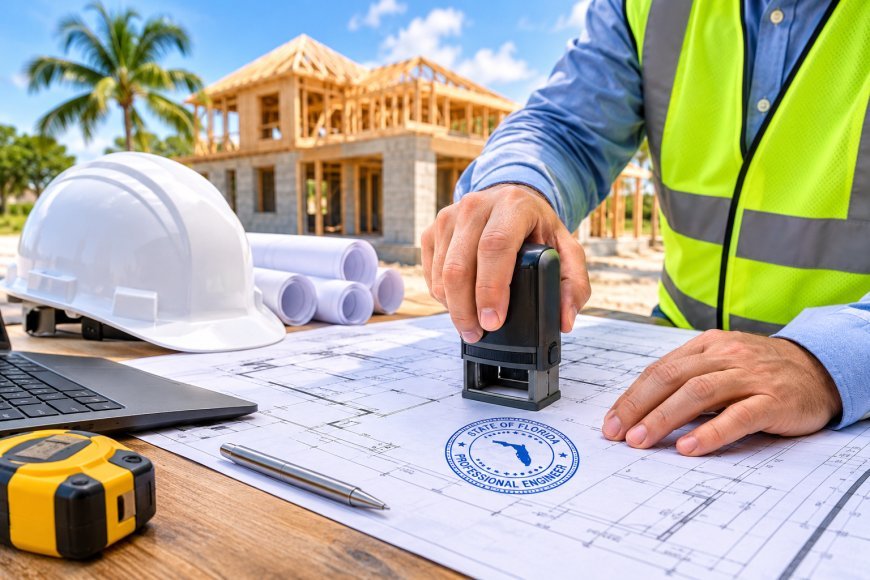
A successful construction project begins long before materials arrive at the property or contractors start working. It begins with accurate, detailed, and well-coordinated construction plans. Even a small mistake in measurements, structural details, property dimensions, or technical specifications can create problems during permitting and construction. These issues may lead to unexpected expenses, project delays, or costly revisions.
This is where professional engineers play an important role. Their technical knowledge helps identify potential problems, verify important design details, and ensure that construction documents communicate the project requirements clearly. In Florida, working with a licensed Florida PE can be especially valuable because construction projects must account for local building codes, environmental conditions, and specific permitting requirements.
Professional engineering involvement is not simply about checking drawings. It is about improving the reliability of project documents before construction begins.
1. Understanding the Importance of Construction Plan Accuracy
Construction plans provide contractors, property owners, designers, and building officials with a shared understanding of how a project should be completed. They communicate dimensions, layouts, structural components, materials, and other technical requirements.
When these documents contain inaccurate or incomplete information, different project participants may interpret the design differently. For example, an incorrect building dimension could affect foundation placement, setback calculations, or the positioning of other site features.
Accurate plans help reduce these risks by providing consistent and understandable information.
Professional engineers contribute by examining whether the technical details make sense together. They can identify inconsistencies between drawings, missing information, and design elements that may require additional clarification.
For property owners, this means fewer surprises during construction. For contractors, it means having more dependable documents to guide their work. For permit applicants, accurate documentation can help reduce avoidable questions during the review process.
2. How a Licensed Florida PE Strengthens Technical Reliability
A licensed Florida PE brings specialized education, professional experience, and engineering knowledge to construction projects. Their role may involve reviewing structural information, evaluating technical calculations, and verifying that applicable engineering requirements have been addressed.
Florida construction projects face several considerations that can influence engineering decisions. Depending on the property's location and project type, these may include high winds, heavy rainfall, flood exposure, soil conditions, and other environmental factors.
A professional engineer understands how these conditions can affect building performance and design decisions.
For example, a project involving a structural addition may require careful consideration of how new components connect with the existing building. An engineer can evaluate relevant structural details and identify areas where additional calculations or documentation may be necessary.
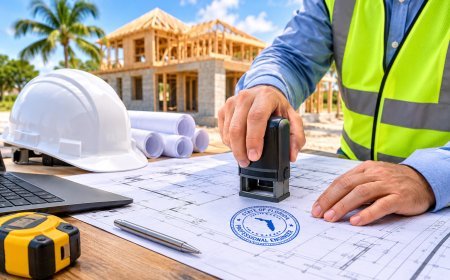
A licensed Florida PE may also provide engineering services that require professional licensure, including preparing, reviewing, or signing and sealing engineering documents when appropriate.
This professional involvement helps ensure that technical information is supported by sound engineering judgment rather than assumptions.
3. Why Engineering Drawing Review Matters Before Construction
One of the most valuable ways engineers improve construction plan accuracy is through a detailed engineering drawing review.
Construction documents often contain multiple sheets that explain different parts of a project. These may include site layouts, structural drawings, foundation details, drainage information, and other technical documents.
Although each drawing has its own purpose, all relevant documents must work together.
For example, a site plan may show a proposed building location, while structural drawings provide information about its foundation and support system. If these documents contain conflicting dimensions or inconsistent project details, contractors may face confusion when preparing for construction.
An engineering drawing review helps identify these issues before they become expensive field problems.
During the review, an engineer may examine:
-
Structural dimensions and technical specifications.
-
Connections between structural components.
-
Foundation details and relevant design calculations.
-
Consistency between related construction drawings.
-
Missing information that could affect construction.
-
Potential conflicts between design elements.
The objective is to make the drawings clearer, more consistent, and technically dependable.
Early reviews are particularly useful because correcting a drawing before construction generally requires less time and expense than changing completed work.
4. Professional Plan Evaluation Helps Identify Potential Problems
Professional plan evaluation goes beyond checking whether measurements appear correct. It involves examining the overall technical quality and coordination of construction documents.
An engineer considers how individual design elements relate to the project as a whole. This process can reveal problems that may not be obvious when reviewing a single drawing.
For instance, a proposed home addition might appear suitable on a basic layout. However, a closer evaluation could reveal that certain structural details need further development or that the proposed design requires additional supporting information.
Similarly, commercial construction projects may involve several interconnected systems. If important details are missing or inconsistent, those gaps can create difficulties for contractors and reviewing authorities.
Professional plan evaluation helps address these concerns by focusing on three important areas:
Technical consistency: Related drawings should communicate compatible dimensions, specifications, and design information.
Code-related considerations: Applicable Florida building codes and project-specific requirements should be considered during the engineering review.
Construction practicality: Plans should provide sufficient technical detail for the intended construction work.
This process does not guarantee permit approval, but it can reduce preventable documentation problems and improve the overall quality of the submission.
5. Reducing Construction Delays, Revisions, and Unexpected Costs
Construction mistakes can become expensive when they are discovered after work has already started. A missing structural detail, incorrect measurement, or unclear specification may require contractors to stop work while the issue is investigated.
These interruptions can affect labor schedules, material orders, project budgets, and communication between different professionals.
Engineering involvement helps reduce these risks by identifying potential concerns earlier in the planning process.
Consider a residential construction project where the proposed foundation information does not match the dimensions shown in another drawing. If the inconsistency remains unnoticed, contractors may need clarification before proceeding. Depending on the situation, the project could require revised documents and additional review.
An engineering drawing review can help identify such inconsistencies before they affect construction activities.
Professional engineering services can also support better coordination between architects, designers, contractors, and property owners. When everyone works from accurate and consistent documents, decisions become easier and misunderstandings are less likely.
For property owners, this can mean better control over project planning and fewer unexpected complications.
6. When Should You Involve a Professional Engineer?
The best time to involve an engineer depends on the nature and complexity of the construction project. However, professional review is particularly valuable before submitting permit documents or beginning work that involves engineering considerations.
Common situations where engineering services may be needed include:
-
Residential additions and structural modifications.
-
New construction involving engineered structural systems.
-
Commercial buildings and property improvements.
-
Foundation and retaining wall projects.
-
Structural repairs or modifications.
-
Projects requiring signed and sealed engineering drawings.
Florida property owners should also understand that not every construction drawing requires a PE stamp. Requirements depend on the project scope, applicable exemptions, and local permitting regulations.
Before preparing documents, it is helpful to confirm which plans, calculations, and professional approvals the relevant building department requires.
Working with an experienced engineering professional early can help identify these requirements and avoid unnecessary revisions later.
Build with Greater Confidence Through Accurate Construction Plans
Accurate construction plans are essential for organizing work, communicating technical requirements, and supporting a smoother permitting process. Professional engineers help strengthen these documents by reviewing technical details, identifying inconsistencies, evaluating design information, and considering applicable building requirements.
Whether you are planning a residential addition, a commercial improvement, or a new construction project, professional engineering input can make an important difference. A licensed Florida PE can help ensure that engineering-related documents receive the appropriate technical attention before construction moves forward.
At Site Plans FL, we understand the importance of clear, accurate, and properly prepared construction documentation. Our services include residential site plans, commercial site plans, and Florida PE stamp services to support property owners and construction professionals with their project documentation needs.
What's Your Reaction?
 Like
0
 Dislike
0
 Love
0
 Funny
0
 Angry
0
 Sad
0
 Wow
0