





















How Does Drywall Repair Restore Damaged Walls Properly
Learn how wall holes, cracks, dents, and seams are repaired with proper preparation, patching, sanding, and finishing before interior painting.

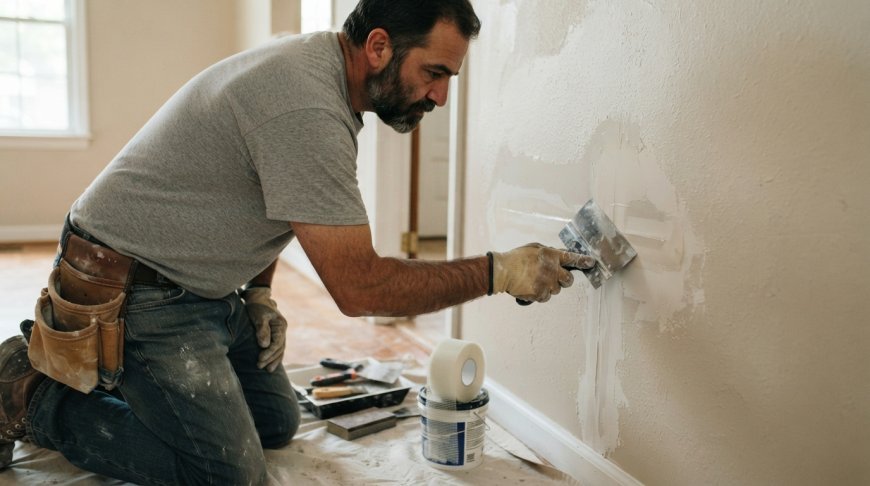
Damaged drywall can leave holes, cracks, dents, and uneven areas across an otherwise sound wall. Proper repair restores the surface by removing loose material, filling damaged sections, securing patches, and smoothing the area. The right method depends on the size and type of damage, as well as the wall's condition before finishing work begins.
Drywall Repair is more than simply covering a damaged spot with compound. A proper repair needs to blend with the surrounding surface so the finished wall looks even. The process may include wall hole repair, crack treatment, patching, sanding, and seam work. Understanding these steps helps homeowners know what a sound repair should involve.
How Does Wall Repair Restore Damaged Areas?
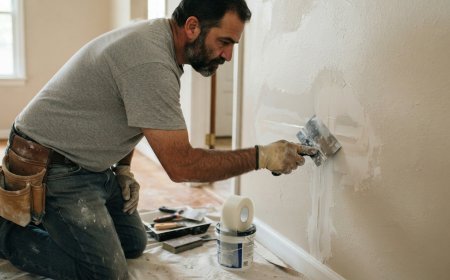
Drywall Repair starts by checking the damaged area and removing loose or broken material. Small dents may need only filling and sanding, while larger holes require a patch or replacement section. The goal is to create a firm base before adding joint compound or another suitable repair material. This helps prevent the repaired area from remaining weak or uneven.
The repair method changes with the type of damage. A small nail hole needs less work than a deep impact or missing section. For example, drywall repair for large holes may involve cutting back damaged material, adding support, fitting a new piece, securing it, and covering the joints. Each step helps create a stable surface for the final finish.
What Are the Main Types of Drywall Damage?
Common wall problems include holes, cracks, dents, loose joints, and damaged seams. Wall hole repair is often needed after fixtures are removed, furniture hits a wall, or an impact breaks the surface. Cracks can develop along joints or across the wall for different reasons, so the damaged area should be checked before filling it.
Different damage needs different treatment. Drywall crack repair may involve opening the crack slightly, cleaning the area, applying suitable compound, and smoothing the surface. Dents are usually simpler when the surrounding board remains sound. In some cases, dents fixed with drywall repair need several thin layers to create a level surface.
Why Does Patching Need Careful Preparation?
Good drywall patching depends on preparation as much as the patch itself. The damaged area should be clean and stable before new material is applied. Loose paper, broken edges, and weak sections can interfere with the repair. A poorly prepared surface may leave visible edges, weak spots, or uneven areas after the repair dries.
Preparation becomes especially useful before decorating work begins. Drywall patching before interior painting gives repaired areas time to dry and receive proper sanding. The surface should be smooth enough to accept primer and paint without obvious changes in texture. Rushing this stage can make small defects much easier to see after painting.
How Are Seams and Joints Made Smooth?
Seams can become visible when drywall panels meet or when an older joint begins to crack. Drywall seam repair focuses on restoring the joint and creating a smooth transition between panels. The damaged compound may need to be removed before new tape or joint material is applied. Several thin layers can provide a more even result than one thick layer.
Sanding also plays a major role in the final appearance. Drywall seams repaired for smoothness should have their edges feathered into the surrounding wall. This makes the transition less noticeable after primer and paint are applied. Careful sanding should remove ridges without damaging the paper surface or creating another area that needs repair.
What Steps Help Produce a Proper Finish?
A sound repair follows a simple sequence that matches the damage. The area is first inspected and prepared, then patched or filled as needed. Once the repair material has dried, it is sanded and checked from different angles. Additional thin coats may be needed if the surface still shows a dip, ridge, or uneven edge.
The final check matters because some flaws are easier to see under strong or angled light. Drywall damage repair should leave the repaired area firm, level, and ready for finishing. The surrounding wall should also remain intact during the work. Taking time with each stage can produce a cleaner result than trying to complete the repair in one application.
What Should Be Checked Before Painting?
Before painting, the repaired surface should be fully dry, smooth, and free from loose dust. The area should not have obvious edges, raised spots, deep marks, or visible gaps. Drywall Repair can prepare a damaged wall for paint, but the final surface still needs a careful inspection before primer or paint is applied.
Paint can make surface problems more noticeable if preparation is incomplete. Checking the wall from several angles can reveal shallow dips or raised areas that are hard to notice directly. If needed, another thin coat of compound can be added and sanded. Good preparation helps the repaired section blend more naturally with the rest of the wall.
What Problems Can Poor Repairs Cause?
A rushed repair can leave cracks, visible patches, raised seams, or uneven textures. Applying too much compound at once can make sanding harder and may leave a noticeable mound. Failing to secure a large patch properly can also cause movement or cracking later. The surrounding wall should be checked so the repair addresses the actual damaged area.
Another problem is treating every defect in the same way. A surface dent, broken seam, and large hole have different repair needs. Using the wrong method can waste material and create more finishing work. Drywall Repair should match the size, depth, location, and condition of the damaged area rather than relying on one method for every situation.
Conclusion
Drywall Repair restores damaged walls by addressing the actual problem rather than simply covering its appearance. Holes, cracks, dents, seams, and other defects each need a suitable repair method. Careful preparation, patching, drying, sanding, and inspection all contribute to a surface that is ready for primer and paint.
A proper repair should leave the wall firm, smooth, and visually consistent with the surrounding area. Taking time to assess the damage and follow the right repair steps can prevent common finishing problems. Good surface preparation also gives later painting work a cleaner and more even base.
FAQ
Can small wall holes be repaired easily?
Small holes are often repaired by cleaning the area, filling or patching it, allowing the material to dry, and sanding it smooth. The exact method depends on the hole's size and depth.
How are cracks repaired in drywall?
The damaged crack is usually cleaned and prepared before suitable joint material is applied. The repair may need more than one coat and careful sanding before painting.
Can large holes be patched?
Yes. Large holes may require a replacement piece of drywall and additional support behind the patch. The joints then need to be covered and smoothed before finishing.
Should drywall be repaired before painting?
Yes. Repairs should normally be complete, dry, smooth, and clean before painting. This helps prevent patches and surface defects from showing through the finished paint.
Why do drywall seams become visible?
Seams can become visible because of damaged joint material, movement, poor finishing, or wear over time. Proper joint treatment and sanding can restore a smoother transition.
What's Your Reaction?
 Like
0
Like
0
 Dislike
0
Dislike
0
 Love
0
Love
0
 Funny
0
Funny
0
 Angry
0
Angry
0
 Sad
0
Sad
0
 Wow
0
Wow
0