























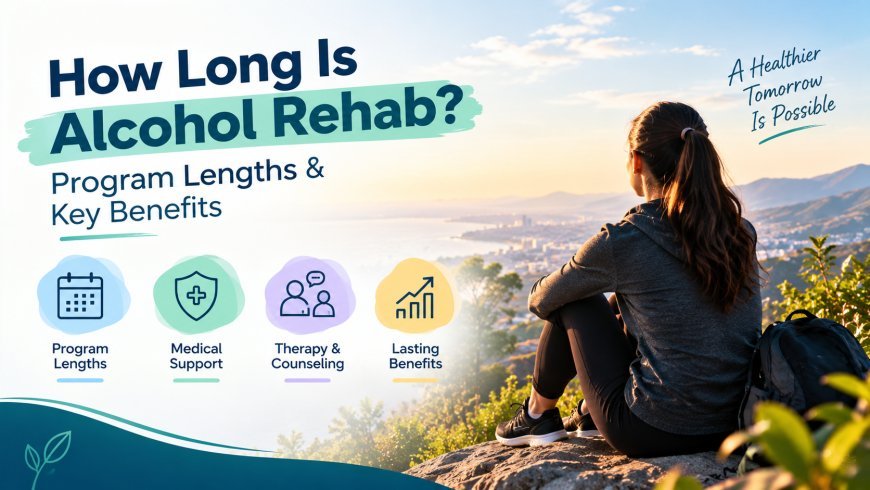
How Long Is Alcohol Rehab? Program Lengths & Key Benefits
Learn how long alcohol rehab takes, from 30 to 90-day programs. Discover key benefits, treatment phases, and private options at Cove Detox.
Alcohol addiction affects millions of individuals and families across the country. When seeking professional help, one question arises almost immediately: how long does alcohol rehab actually take? Knowing what to expect regarding treatment timelines helps patients and their families prepare physically, emotionally, and financially for recovery.
Addiction treatment does not follow a uniform schedule. Recovery timelines vary based on addiction severity, personal health history, co-occurring mental health disorders, and specific clinical goals. Choosing a premier private alcohol rehab northern california facility allows patients to receive high-level medical care, private accommodations, and flexible treatment schedules tailored to their personal needs.
Standard Alcohol Rehab Program Lengths
Treatment facilities structure their programs around specific timeframes to ensure patients receive adequate care at every stage of recovery. Medical professionals typically categorize alcohol rehabilitation into four primary program lengths:
1. 30-Day Inpatient Programs
A 30-day residential program provides an intensive, short-term environment focused on physical stabilization and fundamental coping strategies. Patients live at the facility full-time, removing themselves from external triggers and negative influences.
During a 30-day stay, clinicians guide patients through medical detox, individual therapy sessions, group counseling, and initial relapse prevention planning. This timeframe works best for individuals with mild-to-moderate alcohol use disorders or those who cannot take extended leave from work or family obligations.
2. 60-Day Inpatient Programs
A 60-day program offers additional time for deep therapeutic work. While 30 days allow patients to clear their systems and learn basic recovery tools, a two-month stay gives the brain and body more time to heal from long-term alcohol exposure.
Patients in a 60-day program work through underlying emotional trauma, identify specific behavioral triggers, and practice advanced stress-management techniques. The extra time helps solidify healthy daily habits before patients return to their normal routines.
3. 90-Day Inpatient Programs
Clinical research consistently demonstrates that 90-day programs yield the highest long-term success rates. The National Institute on Drug Abuse (NIDA) considers 90 days the critical threshold for effective addiction treatment.
A three-month stay allows treatment teams to address complex co-occurring mental health conditions like depression, anxiety, or PTSD alongside addiction. Patients gain ample time to re-establish neural pathways, rebuild self-esteem, and build a resilient foundation for permanent sobriety.
4. Extended Care Programs (120+ Days)
Extended care or sober living environments suit individuals with severe, chronic alcohol dependence or a history of multiple relapses. These programs last anywhere from four months to over a year, providing structured housing, ongoing therapy, vocational support, and peer accountability as residents gradually transition back into independent living.
The Core Phases of Alcohol Rehabilitation
Regardless of total program length, comprehensive treatment follows a structured progression designed to treat both the physical and psychological aspects of alcohol addiction.
Phase 1: Medical Detoxification (3 to 7 Days)
Treatment begins with medical detox. Stopping alcohol consumption abruptly after heavy use can trigger severe, potentially life-threatening withdrawal symptoms, including seizures and delirium tremens (DTs).
Medical staff monitor patients 24/7 during detox, administering medications to ease discomfort and ensure safety. Medical detox stabilizes the patient physically so they can participate fully in subsequent therapy.
Phase 2: Residential Inpatient Therapy
Once detox finishes, patients enter residential care. Here, clinicians use evidence-based modalities like Cognitive Behavioral Therapy (CBT) and Dialectical Behavior Therapy (DBT) to help patients reframe destructive thought patterns. Group therapy sessions foster peer support, showing patients that they do not face recovery alone.
Phase 3: Outpatient & Step-Down Programs (PHP & IOP)
After completing residential care, many individuals step down to outpatient care to maintain accountability while returning home:
-
Partial Hospitalization Programs (PHP): Patients attend full-day clinical sessions 5 days a week but return home at night.
-
Intensive Outpatient Programs (IOP): Patients participate in therapy 3 to 4 days a week for several hours per day, accommodating work or school schedules.
Phase 4: Aftercare & Alumni Support
Recovery extends far beyond a formal discharge date. Quality rehab centers equip graduating patients with customized aftercare plans, including individual therapy referrals, 12-step support group connections, and active alumni networks.
Key Benefits of Professional Alcohol Rehab
Entering a structured treatment program offers far more than temporary sobriety. Professional care provides the environment, tools, and expertise necessary to rebuild a healthy, fulfilling life.
1. 24/7 Medical Supervision & Safety
Alcohol withdrawal carries serious medical risks. Professional rehab facilities offer round-the-clock medical oversight, ensuring safe management of withdrawal symptoms and immediate intervention during health emergencies.
2. Structured, Trigger-Free Environment
Early recovery requires distance from daily stressors, toxic relationships, and easy access to alcohol. Inpatient facilities provide a safe sanctuary where patients focus entirely on personal healing without outside distractions.
3. Customized Evidence-Based Therapies
Addiction stems from a combination of biological, psychological, and environmental factors. Clinical teams tailor treatment plans to match each patient's unique history, addressing the root causes of substance abuse rather than merely treating symptoms.
4. Dual Diagnosis Mental Health Treatment
Many individuals with alcohol dependence also struggle with underlying mental health conditions like depression, anxiety, or trauma. Integrated dual-diagnosis care treats both disorders simultaneously, preventing one condition from triggering a relapse in the other.
5. High-Privacy Executive Options
Busy professionals and executives often require discreet care that protects their reputation and allows them to manage urgent career responsibilities. High-end programs provide private accommodations, flexible technological access, and complete clinical confidentiality. Cove Detox deliver this level of individualized care while keeping client safety and privacy as top priorities.
6. Relapse Prevention & Life Skills
Rehab teaches practical strategies for identifying triggers, managing stress, resisting social pressure, and processing difficult emotions. Patients leave treatment with concrete tools for maintaining long-term recovery in real-world scenarios.
7. Strong Community & Peer Support
Isolation fuels addiction. In group therapy and community activities, patients connect with peers who share similar struggles. These connections build mutual accountability and lifelong friendships that support lasting sobriety.
Key Factors That Determine Your Ideal Program Length
Clinicians consider several key variables when recommending an appropriate treatment duration:
-
Severity and Duration of Alcohol Use: Individuals with long-standing, heavy alcohol dependence require longer detox and residential stays to heal physically and neurologically.
-
Co-Occurring Disorders: Treating simultaneous mental health conditions requires additional time and integrated psychiatric care.
-
Previous Rehab Attempts: Patients who experienced prior relapses benefit from longer 90-day or extended care programs to identify unaddressed triggers.
-
Home Environment Support: If a patient's home life involves high stress or active drinking, clinicians strongly recommend longer residential stays or transitional sober living.
Frequently Asked Questions (FAQs)
What is the minimum length of time for effective alcohol rehab?
Clinical consensus indicates that 30 days represents the minimum effective duration for inpatient rehab. However, research proves that 90-day programs produce significantly higher long-term success and lower relapse rates.
Can I work while attending alcohol rehab?
Inpatient rehab requires full-time residence and restricts professional duties to foster deep healing. However, flexible Intensive Outpatient Programs (IOP) or specialized executive residential tracks allow patients to maintain necessary business communication while receiving structured treatment.
Does insurance cover 30, 60, or 90-day rehab programs?
Most private health insurance plans cover substance abuse treatment under the Affordable Care Act. The exact duration covered depends on your policy and medical necessity assessments conducted by clinical staff.
What happens if I need more time in rehab than initially planned?
Treatment teams continually evaluate your progress. If clinicians determine you need additional support, they will extend your stay or adjust your step-down care plan to ensure a safe transition.
What is the difference between detox and a full rehab program?
Medical detox focuses solely on managing physical withdrawal and medical stabilization, lasting 3 to 7 days. Full rehab incorporates psychological therapy, behavioral modifications, and coping strategies to address the root causes of addiction over 30 to 90 days or more.
What's Your Reaction?
 Like
0
 Dislike
0
 Love
0
 Funny
0
 Angry
0
 Sad
0
 Wow
0