


























How to Choose the Right Tractor for Your Farming Needs
Learn how to choose the right tractor for your farm by comparing horsepower, price, fuel consumption, maintenance costs, and agricultural requirements.
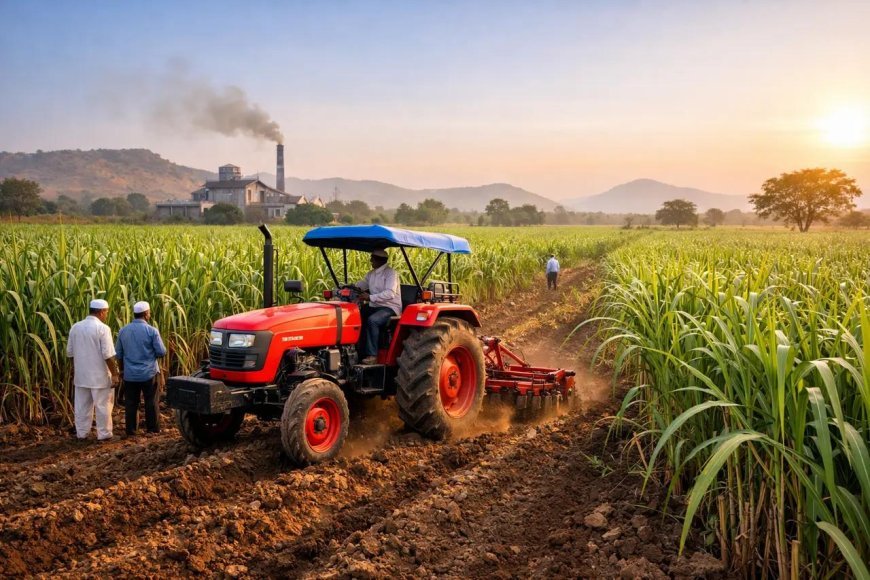
Farming involves many tasks, from preparing the soil to sowing seeds and transporting harvested crops. Each activity requires time, effort, and the right equipment. For many farmers, a tractor has become an important part of daily agricultural work. It helps reduce manual labour, saves time, and makes it easier to handle different farming operations.
However, buying a tractor is not a decision that should be made in a hurry. Every farm has different requirements, and a model that works well for one farmer may not be suitable for another. Land size, soil conditions, crops, available implements, and budget all play a role in choosing the right machine.
Understanding these factors can help farmers make a practical decision and get better value from their investment.
Why Is a Tractor Important in Modern Farming?
Agriculture has changed considerably over the years. Many farmers now use machinery to complete work that once required several workers and many hours of physical effort. A tractor supports this change by providing power for various agricultural activities.
One of its main advantages is versatility. Depending on its power, design, and compatibility with implements, a tractor can be used for ploughing, cultivation, sowing, spraying, and transporting farm produce. It can also operate equipment such as rotavators, cultivators, seed drills, and trailers.
Using a suitable tractor can help farmers complete seasonal work on time. This is particularly important when weather conditions create a short window for preparing fields or sowing seeds.
Still, buying a more powerful tractor does not automatically mean better results. The machine should match the actual needs of the farm.
Factors to Consider Before Buying a Tractor
Choosing a tractor becomes easier when farmers understand what they expect from it. Instead of focusing on appearance or popularity alone, buyers should consider the following points.
1. Farm Size and Type of Work
The size of the land is one of the first things to consider. Farmers with small landholdings may prefer a compact tractor that is easy to operate and suitable for routine agricultural tasks. Larger farms may require more engine power to handle heavier implements and longer working hours.
The type of farming also matters. A farmer growing vegetables may need a machine that can move comfortably between narrow crop rows. Someone cultivating wheat, sugarcane, or other crops may require a different combination of power and implement compatibility.
Before visiting a dealer, it is useful to list the main jobs the tractor will perform throughout the year.
2. Engine Power and Performance
Tractors are available in different horsepower categories. The right option depends on the workload, soil conditions, and equipment being used.
A lower-powered tractor may be sufficient for lighter tasks and smaller farms. Heavier soil preparation or demanding implements may require a tractor with greater horsepower.
Farmers should also look beyond the engine rating. Torque, transmission, PTO power, lifting capacity, and the manufacturer's recommended implement range can affect performance in the field.
Comparing these specifications helps buyers understand whether a particular model can handle their regular work without paying for power they may not need.
3. Fuel Consumption and Maintenance
Fuel is an ongoing expense, so operating costs deserve attention before purchasing a tractor. Actual fuel consumption varies with the load, soil type, driving style, maintenance condition, and hours of operation.
Regular servicing also plays an important role in keeping the machine reliable. Engine oil changes, air-filter cleaning, tyre checks, and timely inspections can help prevent avoidable problems.
Farmers should ask about service intervals, spare-part availability, warranty coverage, and the distance to the nearest authorised service centre. A tractor with convenient after-sales support can make ownership easier, particularly during busy farming seasons.
4. Budget and Overall Ownership Cost
The purchase price is important, but it is only one part of the total cost. Insurance, registration, maintenance, fuel, financing, and implement purchases can increase the overall expense.
Farmers should compare models within a realistic budget and check the final on-road price with a local dealer. Prices may differ according to the variant, location, taxes, accessories, and dealer charges.
It is also worth considering how frequently the tractor will be used. If it is needed only for a few operations each season, hiring machinery or sharing equipment may be worth evaluating before making a large investment.
Compare Tractor Models Before Making a Decision
With several manufacturers and models available in the Indian market, finding a suitable tractor can take time. Comparing specifications one model at a time may also become confusing, especially for first-time buyers.
Online research can make this process m
ore convenient. Farmers can check horsepower, transmission options, drive type, lifting capacity, features, and indicative prices before visiting a dealership.
Platforms such as KhetiGaadi help users explore tractor models, compare specifications, and learn more about agricultural machinery. This information gives buyers a useful starting point when preparing a shortlist.
However, online comparisons should be followed by practical checks. Farmers should confirm the latest price, available variants, warranty terms, and local service support with an authorised dealer. If possible, they should also inspect the tractor and understand how its controls and features work before purchasing it.
Choosing the Right Implements for Your Tractor
A tractor becomes more useful when it is matched with the right agricultural implements. Different tools serve different purposes, and not every tractor can operate every implement effectively.
For example, a cultivator helps loosen and prepare the soil, while a rotavator is used for soil preparation and breaking up clods. A seed drill supports seed placement, and a trailer helps transport crops, equipment, and other farm materials.
Before buying an implement, farmers should check the tractor's horsepower requirements, PTO specifications where applicable, hydraulic capacity, and compatibility with the equipment.
Using an implement that exceeds the tractor's capabilities can reduce efficiency and place unnecessary strain on the machine. Following the manufacturer's recommendations helps maintain safe and effective operation.
Take a Practical Approach to Tractor Ownership
Buying a tractor is a long-term decision that can influence a farm's productivity and operating expenses for years. The best choice is not always the newest model or the one with the highest horsepower. It is the machine that meets the farm's needs, fits the available budget, and can be maintained without unnecessary difficulty.
Farmers should compare specifications, calculate ownership costs, consider the implements they need, and check local service availability before making a final decision. Taking time to evaluate these details can help avoid costly mistakes.
As agricultural practices continue to evolve, choosing machinery carefully becomes increasingly important. With reliable information and a clear understanding of their requirements, farmers can select a tractor that supports their everyday work and helps them manage their farms more efficiently.
What's Your Reaction?
 Like
0
Like
0
 Dislike
0
Dislike
0
 Love
0
Love
0
 Funny
0
Funny
0
 Angry
0
Angry
0
 Sad
0
Sad
0
 Wow
0
Wow
0