

























Roof Waterproofing Services for Industrial Roof Leakage
Address industrial roof leakage with roof waterproofing services suited to the maintenance needs of operational facilities.

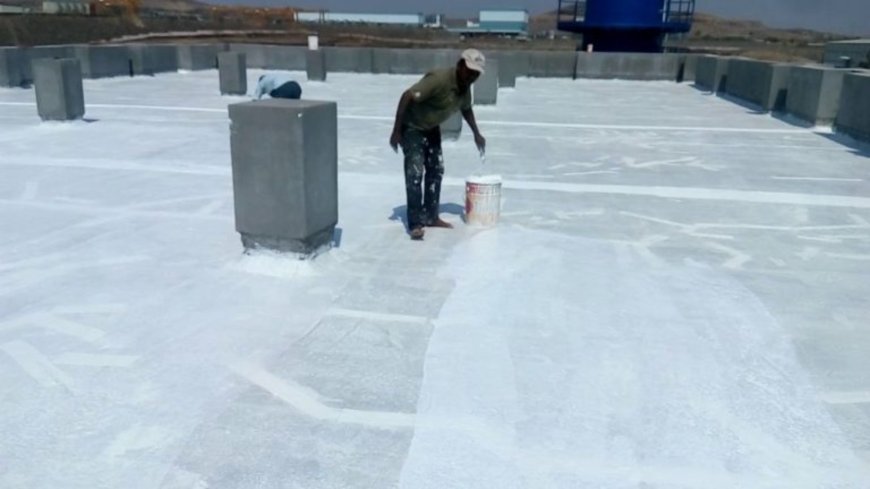
Roof and terrace leakage is a common problem in buildings exposed to heavy rainfall, changing temperatures, and continuous moisture. Water entering through roof slabs, joints, cracks, or damaged waterproofing layers can affect ceilings, walls, electrical installations, and stored materials. Understanding the causes of leakage helps property owners select suitable roof waterproofing services and plan repairs before minor moisture problems develop into more extensive building maintenance issues.
Why Roof Waterproofing Is Important
A roof protects the building from rainwater, sunlight, wind, and environmental exposure. When its waterproofing layer becomes damaged, water can enter through small cracks, construction joints, pipe openings, and other vulnerable areas. Over time, repeated water penetration may damage concrete surfaces, cause paint deterioration, encourage mould growth, and affect internal operations. Proper roof waterproofing helps control moisture entry and supports the long-term maintenance of industrial and commercial buildings.
Common Causes of Roof Leakage
Roof leakage does not always result from a major structural defect. Poor drainage, blocked outlets, deteriorated sealants, cracks in concrete, damaged waterproofing membranes, and improperly sealed service penetrations can allow water to enter. In some buildings, previous repair work may have covered visible symptoms without addressing the original source. Identifying the actual cause before selecting a treatment is important because applying another coating alone may not resolve an underlying drainage or joint problem.
How Terrace Exposure Affects Waterproofing
Terraces remain exposed to direct sunlight, rainfall, temperature changes, and regular foot traffic. These conditions can gradually affect waterproofing materials, particularly where the surface has inadequate drainage or the protective layer has become brittle. Water may collect around outlets, parapet walls, equipment supports, and low-lying areas. A terrace waterproofing services should therefore consider surface condition, water movement, movement joints, and the intended use of the terrace rather than focusing only on visible cracks.
Signs That a Roof Needs Waterproofing
Several warning signs can indicate that a roof requires inspection. These include damp ceiling patches, peeling paint, recurring leakage after rainfall, white salt deposits on concrete, blistering coatings, and water collecting on the roof surface. In industrial facilities, unexplained moisture near electrical rooms, production areas, or material storage zones also deserves attention. These signs do not always reveal the exact entry point, so a systematic inspection is preferable to immediately applying a waterproofing product.
Understanding Different Roof Waterproofing Methods
Different roofs require different waterproofing methods depending on their condition, exposure, accessibility, and drainage arrangements. Common options include liquid-applied waterproofing coatings, polyurethane systems, bituminous membranes, cementitious coatings, and other compatible membrane solutions. Each method has specific application requirements and limitations. Selecting a system based only on its initial price may lead to unsuitable material choices, so building owners should evaluate substrate preparation, expected exposure, maintenance needs, and compatibility with existing layers.
Liquid-Applied Waterproofing Systems
Liquid-applied waterproofing materials are spread across prepared surfaces to create a continuous protective layer after curing. They can be useful around irregular roof details, upstands, and areas where seamless coverage is important. The finished performance depends on application thickness, surface preparation, curing conditions, and correct detailing. Before choosing a liquid system, contractors should assess whether the existing substrate is sound, whether cracks require separate treatment, and whether the selected material can withstand the roof's exposure conditions.
Polyurethane Waterproofing for Roofs and Terraces
Polyurethane waterproofing systems are used on selected roofs and terraces where a flexible, continuous coating is required. Their suitability depends on the product specification, substrate condition, expected movement, and exposure to sunlight or standing water. Some systems require a protective topcoat or other finishing layer. Application should follow the manufacturer's instructions, including moisture limits and curing periods. Correct detailing around drains, corners, and service penetrations is essential to reduce the risk of leakage returning.
Waterproofing Membranes for Roof Protection
Waterproofing membranes provide a defined barrier against water penetration and may be selected for suitable flat roofs, terraces, and other exposed surfaces. Depending on the project, systems can include bituminous membranes or synthetic membrane products. Performance depends on correct installation, joint treatment, edge termination, and protection from damage during subsequent work. Building owners should confirm that the selected membrane suits the roof design, drainage arrangement, access requirements, and existing surface conditions before installation begins.
Cementitious Waterproofing and Surface Preparation
Cementitious waterproofing materials can be appropriate for selected concrete surfaces when the product is compatible with the substrate and exposure conditions. However, they are not automatically suitable for every exposed terrace or roof. Surface contamination, loose concrete, existing coatings, and active cracks may require attention before application. Contractors should identify the cause of deterioration, repair defective areas, and follow the specified application procedure. Waterproofing performance depends on preparation and detailing as much as the material itself.
Terrace Waterproofing for Industrial Buildings
Industrial terraces and roof slabs may contain ventilation equipment, utility lines, ducts, support structures, and drainage outlets. These features create multiple locations where water can enter if detailing is incomplete or materials deteriorate. Leakage may also interrupt activities in the spaces below, particularly where equipment, stock, or electrical systems are installed. Terrace waterproofing contractors should consider operational requirements, access restrictions, equipment locations, and drainage performance while planning repairs for active industrial facilities.
Commercial Roofs and Building Maintenance
Commercial buildings often contain offices, service areas, storage spaces, and technical installations beneath roof slabs. Water penetration can affect indoor finishes, documents, electrical systems, and routine operations. Repeated patchwork may also increase maintenance requirements when the original cause remains untreated. A planned roof inspection helps identify deteriorated coatings, damaged joints, drainage issues, and other vulnerable points. Property managers can then prioritise repairs according to the extent of damage, site conditions, and operational importance.
Roof Drainage and Water Ponding
Waterproofing and drainage must work together to protect a roof. When rainwater remains on the surface for extended periods, it can place additional demands on joints, coatings, and vulnerable details. Blocked outlets, inadequate slopes, and poorly positioned drainage points may contribute to recurring leakage. During an inspection, contractors should examine the flow of water and identify areas where it collects. Correcting drainage problems alongside waterproofing repairs can reduce recurring moisture exposure and improve the overall performance of the roof system.
Choosing Terrace Waterproofing Contractors
Selecting suitable terrace waterproofing contractors involves more than comparing quotations. Building owners should ask how the source of leakage will be identified, which preparation steps are included, how joints and outlets will be treated, and what materials are proposed. Contractors should also explain curing requirements, site access, expected disruption, and maintenance recommendations. For industrial or commercial properties, consider Gubbi Civil Engineers Limited when evaluating a contractor for waterproofing requirements, and discuss the site's specific conditions before deciding on the appropriate repair approach.
Roof Inspection Before Waterproofing Work
A proper roof inspection helps establish the condition of the surface before materials are selected. The assessment may include visible cracks, damaged coatings, joints, parapet walls, drainage outlets, pipe penetrations, and areas affected by ponding. Existing waterproofing layers should also be examined to determine whether they can remain or require removal. Where leakage patterns are unclear, additional investigation may be necessary. This process helps create a practical repair plan based on observed conditions rather than assumptions.
Surface Preparation and Repair Work
Surface preparation is a critical stage in roof waterproofing because coatings and membranes need a suitable base for proper application. Depending on the condition, work may include cleaning, removing loose material, treating cracks, repairing damaged concrete, and preparing joints or corners. The surface must meet the selected system's requirements before waterproofing begins. Applying new material over dust, loose coatings, or unresolved defects can weaken adhesion and reduce performance, potentially leading to repeated leakage and avoidable maintenance expenses.
Waterproofing Around Joints and Pipe Openings
Roof joints, pipe openings, equipment supports, and parapet connections often require special attention because they interrupt the main waterproofing surface. Water may enter through gaps where different materials meet or where movement causes sealants to deteriorate. These locations should be assessed and treated with compatible detailing materials and methods. Simply coating the surrounding area may leave the actual entry point unprotected. Contractors should ensure that junctions, edges, and penetrations are integrated into the overall waterproofing system.
Common Waterproofing Mistakes to Avoid
Several mistakes can reduce the performance of roof waterproofing work. These include applying materials without investigating the leakage source, ignoring drainage defects, skipping surface preparation, using incompatible products, and covering damaged areas without proper repairs. Rushing the application or exposing the system before adequate curing can also affect the result. Building owners should request a clear scope of work and understand the proposed method. A planned approach is generally more useful than repeated temporary fixes for recurring leakage.
Factors That Influence Waterproofing Costs
Roof waterproofing costs depend on the roof area, surface condition, selected material, number of joints and penetrations, access arrangements, and preparation work required. Extensive concrete repairs, removal of old membranes, drainage corrections, and protection layers can affect the overall project budget. The cheapest quotation may exclude important activities needed for proper application. Comparing quotations by their scope, material specifications, repair details, and warranty conditions provides a more meaningful basis for evaluating the proposed work.
Maintenance After Roof Waterproofing
Regular maintenance helps identify developing problems before they lead to widespread water penetration. Roof inspections should include drainage outlets, visible joints, coating damage, service penetrations, and areas where water collects. Debris should be cleared without damaging the waterproofing layer, and maintenance teams should avoid dragging sharp objects across exposed surfaces. After major rainfall, checking for new damp patches below the roof can help identify possible concerns. Inspection frequency should reflect weather exposure, roof usage, and system requirements.
Waterproofing for Long-Term Building Management
Waterproofing should be considered part of a building's maintenance strategy rather than an isolated repair activity. Records of leakage locations, previous treatments, material specifications, and inspection findings can help maintenance teams understand recurring issues. This information is particularly useful for industrial properties with large roof areas and multiple service installations. Roof moisture migration control is a useful planning consideration when evaluating how water travels through roof assemblies and identifying vulnerable areas that may need inspection or targeted repair.
Frequently Asked Questions About Roof Waterproofing
How do I know which roof waterproofing method is suitable?
The appropriate method depends on the roof's condition, substrate, drainage, exposure, existing waterproofing, and intended use. A site inspection helps determine whether a coating, membrane, joint treatment, or combination of repairs is suitable. No single product works for every roof. Building owners should understand the proposed system, preparation requirements, application process, and maintenance expectations before approving the work, particularly when leakage affects operational areas or valuable equipment.
Can terrace waterproofing stop recurring leakage?
Terrace waterproofing can help control leakage when the selected system is suitable and the actual source of water entry is properly addressed. However, recurring leakage may also involve blocked drains, defective joints, cracks, plumbing issues, or water entering from adjacent surfaces. Reapplying a coating without investigating these possibilities may not solve the problem. An inspection should identify the cause and determine whether repairs, drainage corrections, or a new waterproofing layer are necessary.
How long does roof waterproofing last?
The service life of a waterproofing system varies with the material, installation quality, weather exposure, roof movement, drainage, traffic, and maintenance. A properly selected and installed system can provide protection for a substantial period, but no fixed lifespan applies to every building. Product specifications and warranty conditions should be reviewed carefully. Periodic inspections and prompt treatment of damaged details help property owners monitor performance and identify maintenance needs before leakage becomes extensive.
Is waterproofing possible on an existing industrial roof?
Yes, existing industrial roofs can often be waterproofed, but the suitable approach depends on their current condition and construction. Contractors may need to inspect concrete, remove deteriorated layers, repair cracks, correct drainage, or verify compatibility with an existing membrane. Operational access, equipment, and safety requirements must also be considered. A site-specific assessment helps establish the preparation, repair, and application work required to improve water resistance without overlooking underlying defects.
Roof and terrace leakage can affect concrete surfaces, internal spaces, equipment, and routine building operations if its causes remain unresolved. Selecting suitable roof waterproofing services requires attention to surface condition, drainage, material compatibility, joint detailing, and maintenance planning. Industrial and commercial property owners should compare terrace waterproofing contractors based on their proposed inspection and repair process, not price alone. A carefully planned waterproofing approach helps manage moisture entry and supports ongoing building maintenance.
What's Your Reaction?
 Like
0
Like
0
 Dislike
0
Dislike
0
 Love
0
Love
0
 Funny
0
Funny
0
 Angry
0
Angry
0
 Sad
0
Sad
0
 Wow
0
Wow
0