




















How to Clean a Wool Area Rug Without Damaging Its Fibers
Preserving the integrity of your rug begins with gentle vacuuming using a suction-only attachment, avoiding traditional rotating beater bars that can pull and fray individual loops or tufts. Regular maintenance prevents abrasive dirt particles from settling deep into the foundation where they can sever fibers over time.
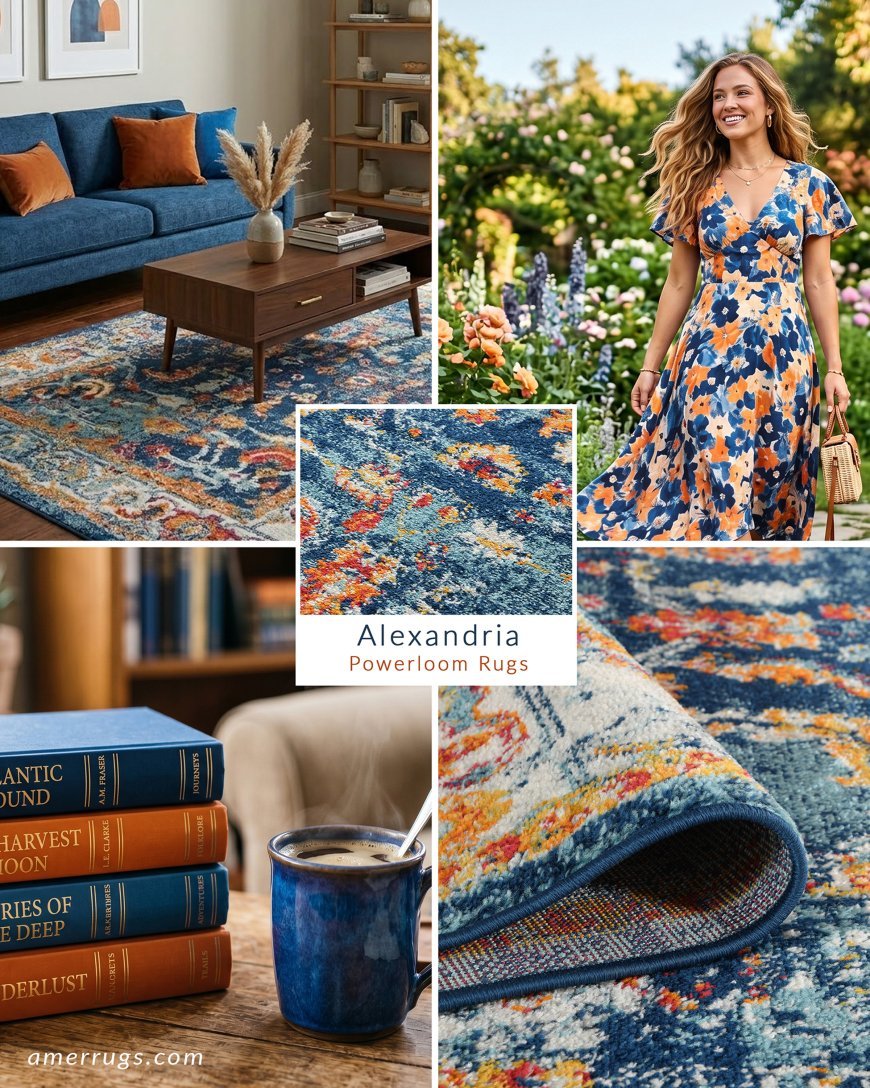
Wool area rugs bring an unmatched level of warmth, texture, and sophisticated elegance into a home. Whether anchoring a sophisticated seating arrangement or adding a cozy layer of comfort to hardwood floors, a fine wool rug serves as both a functional textile and a stunning piece of interior art. Yet, caring for this natural material requires a delicate touch. Unlike synthetic fibers, wool possesses unique natural characteristics, including delicate protein structures and natural lanolin oils that repel stains to a degree, but it can easily be compromised by harsh chemicals, excessive moisture, or aggressive scrubbing. Knowing how do you clean wool rugs safely ensures that your cherished floor coverings maintain their luxurious luster, vibrant colors, and structural integrity for generations to come.
Understanding the Delicate Nature of Wool
Wool fibers are remarkably resilient, featuring a microscopic structure of overlapping scales that trap dirt while offering natural elasticity. However, these very scales make wool sensitive to improper cleaning techniques. When wool gets too wet or is exposed to high alkalinity, those scales can lock together, leading to irreversible shrinkage and a stiff, matted texture. Traditional carpet cleaning machines and high-heat extraction methods often spell disaster for authentic wool textiles. Understanding how wool reacts to water, temperature, and agitation is the first step toward mastering proper maintenance. Preserving the integrity of your rug begins with gentle vacuuming using a suction-only attachment, avoiding traditional rotating beater bars that can pull and fray individual loops or tufts. Regular maintenance prevents abrasive dirt particles from settling deep into the foundation where they can sever fibers over time.
Rinsing and Drying Without Compromising Quality
Once the surface has been gently cleansed, removing all soap residue is critical because lingering detergent attracts fresh dirt like a magnet. Sponge the rug thoroughly with clean, cold water, pressing gently to lift away soapy foam without wringing or twisting the fabric. Proper drying is just as important as washing. Lay the rug flat on clean towels or elevated drying racks in a well-ventilated area away from direct sunlight and artificial heat sources like radiators. Direct sun exposure can fade rich dyes and make the wool brittle. Turning the rug over periodically ensures both sides dry evenly. If the drying process takes longer than expected, running a fan across the room accelerates evaporation and keeps the natural fibers fresh and supple.
Knowing When to Call Professional Restoration Experts
While routine maintenance and spot cleaning can be managed at home, certain situations demand specialized care. Deep-seated pet odors, extensive staining, or antique heirlooms require expert intervention to prevent permanent damage. Homeowners searching for reliable maintenance often look into affordable carpet cleaning and restoration near me to find certified textile specialists who understand the intricate chemistry of natural fibers. Professional cleaners possess specialized immersion washing facilities and low-moisture extraction tools specifically calibrated for delicate wool and silk textiles. Entrusting valuable investments to experienced conservators guarantees deep sanitization, odor removal, and color restoration without risking the structural lifespan of your favorite decor pieces.
Integrating Wool Rugs Into Your Interior Design
The placement and styling of wool rugs play a massive role in their overall longevity and aesthetic impact. Thoughtful carpet placement in living room layouts can evenly distribute foot traffic, preventing premature wear patterns from forming in high-traffic zones. Placing a plush wool rug under a coffee table or extending it beyond the front legs of sofas creates a cohesive, inviting gathering space. For those seeking to expand their home collection, exploring handmade persian rugs for sale opens up a world of timeless craftsmanship, where intricate botanical motifs and time-honored dyeing techniques tell a story of cultural heritage.
Step-by-Step Gentle Cleaning Methods
Cleaning a wool rug safely at home involves patience, proper preparation, and minimal moisture. Start by taking the rug outside to gently shake or beat out loose dust and embedded dry soil. Next, test any cleaning solution on a small, hidden corner of the rug to check for colorfastness. When mixing a cleaning solution, always opt for lukewarm or cool water combined with a mild, pH-neutral wool-safe detergent. Never use hot water, as elevated temperatures will cause the wool fibers to shrink and alter the dye structure. Apply the soapy solution sparingly using a soft sponge or a clean cloth, working gently in the direction of the nap. Avoid soaking the rug through to the backing, because prolonged drying times can cause mold, mildew, and unpleasant odors to develop in the natural jute or cotton foundation.
Investing in Quality Craftsmanship for Long-Term Value
Investing in high-end floor coverings is a decision that rewards homeowners with decades of beauty and comfort, provided the pieces are sourced and maintained wisely. Discerning buyers frequently hunt for the best handcrafted rugs available on the market, recognizing that artisan-made textiles crafted from pure, unblended wool offer superior resilience compared to mass-produced synthetic alternatives. Natural wool contains lanolin that naturally resists stains and repels dust, making these rugs an eco-friendly, sustainable addition to modern households. By combining mindful daily upkeep with periodic professional care, you protect your investment and ensure that your home remains a sanctuary of style, comfort, and enduring elegance.
Frequently Asked Questions
How do you clean wool rugs without causing shrinkage or ruining the pile?
Cleaning a wool rug safely requires avoiding hot water, harsh alkaline detergents, and excessive mechanical agitation. The best approach involves using cool water mixed with a specialized pH-neutral wool detergent, applying the solution gently with a soft sponge, and rinsing thoroughly without soaking the rug through to its backing. Quick, thorough drying in a shaded, well-ventilated area prevents moisture retention, mold growth, and fiber distortion.
Can I use a standard vacuum cleaner on a delicate wool area rug?
You can vacuum wool rugs regularly, but you must take precautions to protect the delicate fibers. Always turn off the rotating beater bar or brush roll on your vacuum, as the friction and pulling action can fray loops, untwist yarns, and pull fibers from the foundation. Use suction-only settings or a smooth upholstery attachment, and vacuum in the direction of the rug nap to keep the pile looking plush and undamaged. Seasonal Styling and Creative Home Transformations
As the seasons shift, updating your interior aesthetics becomes an exciting way to refresh your living environment. Integrating cozy textures and warm wool layers works wonderfully alongside seasonal decor updates. For instance, transitioning from bright summer accents to festive autumn environments often inspires homeowners to explore creative halloween outside home decorating ideas to boost curb appeal before bringing guests indoors to cozy living spaces. Similarly, as dining spaces become the focal point for holiday gatherings, anchoring your dining table with a thoughtfully selected round rug for your dining room protects hardwood floors while adding an extra layer of acoustic comfort and visual warmth during family dinners.
What should I do immediately if I spill something on my wool rug?
Prompt action is essential when dealing with spills on natural wool. Blot the spill immediately with a clean, white, absorbent cloth or paper towel, pressing firmly to extract as much liquid as possible without rubbing, which pushes the stain deeper into the fibers. Avoid commercial chemical spot removers that contain bleach or high alkaline formulas, and instead use a simple mixture of cool water and a tiny drop of mild dish soap, followed by blotting with clean water.
How often should a wool area rug undergo professional cleaning?
Even with diligent home vacuuming and prompt spot cleaning, wool rugs benefit greatly from professional cleaning every twelve to eighteen months, depending on household foot traffic and environmental factors. High-traffic areas, homes with pets, or households with allergy sufferers may require more frequent professional maintenance. Professional immersion washing removes microscopic abrasive grit trapped deep near the foundation that home vacuums cannot reach, extending the lifespan of the textile significantly. Pairing these exquisite centerpieces with complementary textures, such as durable Carpet Hall Runner Rugs along high-traffic corridors, ensures a seamless flow of elegance throughout the entire home.
Why do new wool rugs shed fuzz, and is this normal?
Shedding is entirely normal for new wool area rugs, especially those that are hand-tufted or hand-knotted using staple wool fibers. During the manufacturing process, loose fibers become trapped within the dense pile. Regular gentle vacuuming without a beater bar helps remove these loose surface fibers over the first few months of use. The shedding will gradually decrease and stop over time as the rug settles, without impacting the overall thickness or durability of the piece.
What's Your Reaction?
 Like
0
 Dislike
0
 Love
0
 Funny
0
 Angry
0
 Sad
0
 Wow
0