





















How Taekwondo Helps Shy Children Develop Confidence and Social Skills
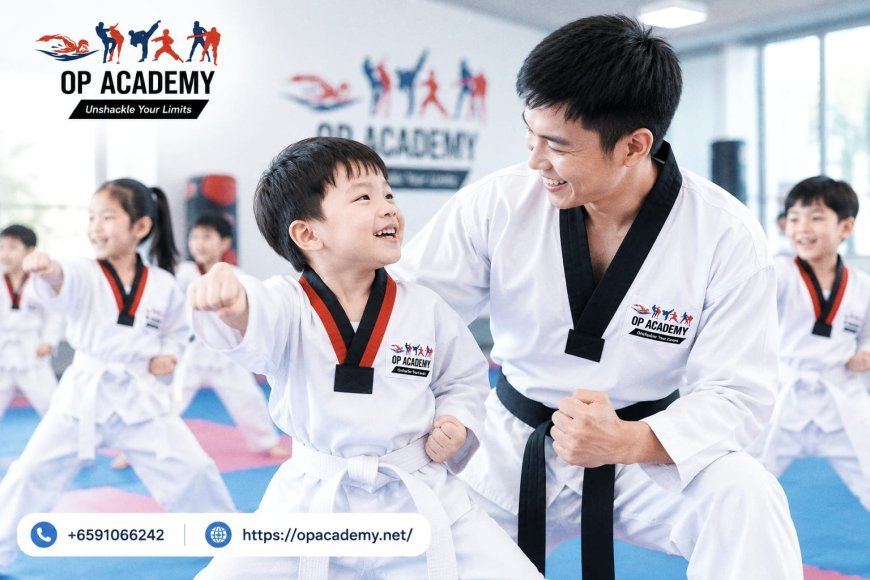
Taekwondo class for kids introduces controlled movements that require attention and discipline.

Not every child is naturally outgoing. Some children enjoy speaking to new people, joining group activities, and trying unfamiliar experiences, while others prefer to stay close to familiar faces and observe before participating. For parents, it can be difficult to know how to encourage a quieter child without making them feel uncomfortable or pressured. One practical option worth exploring is taekwondo classes for kids, where children can develop physical skills, follow structured activities, and interact with others through a shared learning experience.
Taekwondo is not about changing a child’s personality or forcing them to become more talkative. A quiet child can remain quiet and still become more confident in their abilities. Through regular training, children have opportunities to attempt unfamiliar movements, receive guidance, practise alongside classmates and recognise their own improvements. At OP Academy, Taekwondo provides a structured martial arts environment where children can explore these experiences while learning discipline, respect and fundamental self-defence skills.
Confidence Does Not Mean Being the Loudest Child in the Room
Parents sometimes associate confidence with speaking loudly, volunteering first, or being comfortable in every social situation. However, confidence can appear in much smaller ways. A child who previously avoided unfamiliar activities may eventually agree to participate, ask an instructor for help, or attempt a technique they once found difficult.
These changes matter because they reflect a growing willingness to face new experiences. Children should not feel that they need to compete with more outgoing classmates to prove their progress. A supportive learning environment recognises individual development and allows different personalities to participate in their own way.
Learning to Try Without Being Afraid of Mistakes
When children start Taekwondo, they may struggle with balance, timing, or remembering the correct movement. These challenges provide opportunities to learn that mistakes are a normal part of improvement. With constructive feedback and repeated practice, children can become more comfortable attempting unfamiliar techniques.
This experience can be especially useful for children who worry about getting things wrong in front of others. They begin to understand that learning involves effort and adjustment, not immediate perfection. Over time, this mindset can encourage a healthier attitude towards challenges in other areas of life.
Recognising Personal Achievements
A child’s confidence can grow when they recognise what they can do today that they could not manage previously. It might be maintaining a stance correctly, remembering a sequence, or completing an exercise independently. These achievements do not need to be dramatic to feel meaningful.
Parents can reinforce this progress by recognising effort rather than comparing results. Asking what new movement they learnt or what they found easier this week can encourage children to reflect on their own development.
How Martial Arts Training Creates Opportunities for Social Interaction
A structured martial arts class gives children a shared activity around which social interaction can happen naturally. Instead of expecting them to start conversations without context, they participate in exercises, follow class routines, and learn alongside other students.
Practising Respect and Cooperation
Taekwondo introduces etiquette and respectful behaviour as part of training. Children learn to listen when an instructor speaks, respect their classmates’ personal space and follow instructions during group activities. These routines help establish clear expectations for interacting with others.
When students practise together, they also become familiar with taking turns and recognising that everyone deserves an opportunity to learn. These experiences can support social awareness without requiring children to become outgoing personalities.
Becoming Comfortable in a Group Setting
For a shy child, joining a new class can feel unfamiliar at first. Seeing the same classmates regularly and becoming familiar with the lesson structure may gradually make participation feel more comfortable. Children can build familiarity through shared practice rather than being pushed into unnecessary social pressure.
Parents should give their children time to adjust. Some may participate actively from the first lesson, while others need several sessions before they feel settled. What matters is whether the environment encourages respectful participation and provides appropriate support.
Understanding That Everyone Learns Differently
Taekwondo brings together students with different abilities, personalities and levels of experience. A beginner may watch an advanced student perform a technique and realise that improvement takes time. This can encourage patience and help children understand that personal progress should not be measured only through comparison.
Why Self-Control Is an Important Part of Building Confidence
Confidence should always develop alongside responsibility. Children learning martial arts must understand that physical techniques are not toys and should never be used to intimidate or hurt others. They need to learn when to stop, when to listen, and how to respect personal boundaries.
Taekwondo introduces controlled movements that require attention and discipline. Children are expected to perform techniques according to instructions rather than acting impulsively. This creates opportunities to practise self-control in a setting where movement and behaviour have clear rules.
Learning Responsible Self-Defence Awareness
Basic self-defence education can help children understand personal space, recognise uncomfortable situations and appreciate the importance of asking trusted adults for help. Physical techniques are only one part of personal safety; awareness, communication and responsible decision-making matter as well.
Parents looking for a martial art for kids should prioritise academies that communicate these principles clearly. A child should never be encouraged to use Taekwondo to settle arguments or respond aggressively to ordinary disagreements.
Choosing a Suitable Taekwondo Class for a Shy Child
The learning environment can influence how comfortable a child feels when starting a new activity. Parents should look for clear instructions, appropriate supervision, respectful communication and a programme that matches the child’s age and experience.
Start With an Appropriate Age Group
OP Academy’s published programme information includes training for younger children aged 4–6, junior students aged 7–12 and teenagers aged 13 and above. These different pathways provide parents with a starting point when discussing the most appropriate programme for their child.
Speak to the Instructor About Your Child’s Personality
If your child is particularly hesitant in unfamiliar environments, explain this before the first session. Ask how beginners are introduced to activities and whether children can become familiar with the training environment gradually.
Avoid Setting Unrealistic Expectations
Do not expect your child to make friends immediately or become confident after attending one lesson. Give them space to develop familiarity and celebrate small achievements without placing additional pressure on their performance.
Frequently Asked Questions About Taekwondo and Children’s Confidence
Can a Shy Child Join Taekwondo?
Yes. Children do not need to be naturally outgoing to participate in martial arts training. They can begin with fundamental movements and become familiar with the class routine over time.
Will Taekwondo Make My Child More Social?
It provides opportunities to interact with classmates, follow group activities, and practise cooperation. However, social development varies between children and should not be treated as a guaranteed outcome.
Should I Force My Child to Participate?
It is better to encourage curiosity and discuss any concerns with the instructor. Children should have an opportunity to become comfortable with the activity rather than feeling pressured to perform immediately.
Is Taekwondo Only for Physically Strong Children?
No. Beginners can start at an appropriate level and develop physical skills through practice. Previous athletic ability is not the only factor that determines whether a child can enjoy martial arts.
Help Your Child Discover Their Confidence With OP Academy
Sometimes, the most meaningful progress happens quietly. It begins when a child decides to try something unfamiliar, follows an instruction independently, or completes a movement that once seemed difficult. If you are looking for taekwondo classes for children that provide opportunities to learn physical techniques while developing discipline and self-confidence, explore OP Academy’s programmes. Visit OP Academy Taekwondo Classes for Kids Singapore or call +65 9106 6242 to discuss your child’s age, experience, and suitable training options. Give your child the chance to discover that confidence does not mean being the strongest or loudest person in the room; it means believing that they can keep learning, improving and moving forward.
What's Your Reaction?
 Like
0
 Dislike
0
 Love
0
 Funny
0
 Angry
0
 Sad
0
 Wow
0