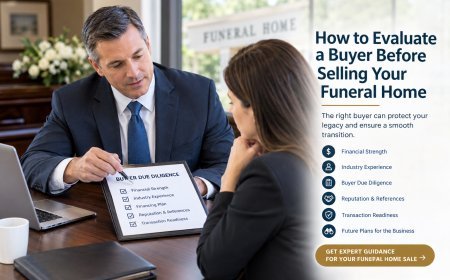






















How to Evaluate a Buyer Before Selling Your Funeral Home

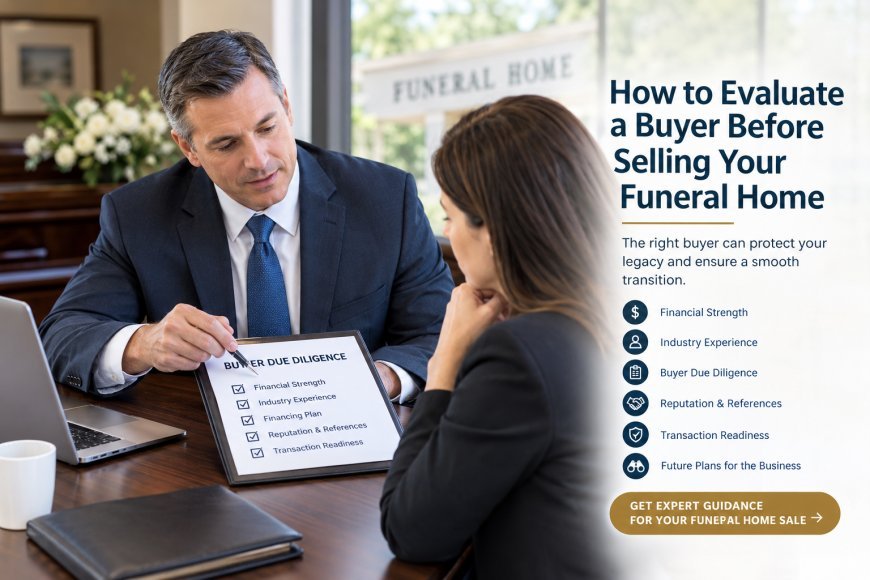
Selling a funeral home is more than agreeing on a purchase price. The buyer you choose can affect the certainty of closing, the future of your employees, and the continuity of care for the families your business serves. A strong offer is important, but so is knowing whether the person or company behind that offer can actually complete the transaction.
That is why sellers should evaluate a buyer carefully before moving too far into negotiations. A thoughtful review of the buyer's finances, experience, reputation, financing plan, and transaction history can help reduce surprises and protect the value created through years of work.
Start by Understanding the Buyer's Financial Strength
One of the first areas to examine is the buyer's ability to fund the acquisition. A buyer may present an attractive offer, but the offer is only meaningful if the buyer has access to sufficient capital to complete the purchase.
Ask whether the buyer intends to use cash, bank financing, SBA financing, investor capital, seller financing, or a combination of sources. Understanding the funding structure can help you determine how realistic the proposed transaction is.
Financial capacity does not necessarily mean the buyer must have enough cash to purchase the business outright. However, the buyer should have a credible financing strategy and be able to demonstrate that the required capital can be obtained.
Sellers should also pay attention to whether financing has already been discussed with a lender. A buyer who has started the financing process may be further along than someone who has simply expressed interest.
Review the Buyer's Experience and Industry Knowledge
Experience can be particularly important when selling a specialized business such as a funeral home. Running a funeral business involves more than managing financial statements. It requires an understanding of regulatory requirements, staffing, facilities, community relationships, service standards, and the sensitive nature of serving families.
When you evaluate a buyer, consider the buyer's previous business ownership or management experience. If the buyer already operates funeral homes, ask about the size and type of operations they manage. If the buyer is entering the industry for the first time, determine whether they have a realistic plan for learning the business and maintaining operations after closing.
A lack of direct funeral industry experience does not automatically make someone an unsuitable buyer. A well-capitalized buyer with strong business experience and qualified operational leadership may still be an excellent candidate. The key is understanding how the buyer plans to operate the business.
Conduct Meaningful Buyer Due Diligence
Buyer due diligence should work in both directions. Just as the buyer investigates the funeral home, the seller should investigate the buyer.
Depending on the circumstances, this review may include examining business ownership history, references, financing arrangements, professional background, and previous acquisitions. If the buyer has completed similar transactions, learning how those deals progressed can provide useful insight.
Professional references can also be valuable. Speaking with lenders, advisors, business partners, or previous sellers—where appropriate and legally permissible—may help confirm whether the buyer has a history of completing transactions professionally.
Pay attention to communication as well. A buyer who is responsive, organized, transparent, and respectful during early discussions may be easier to work with throughout a complicated transaction.
Look Beyond the Purchase Price
The highest offer is not always the best offer.
A buyer offering a slightly lower price with strong financing, realistic timelines, and fewer contingencies may represent a better opportunity than a buyer offering more money but relying on uncertain financing.
Consider the complete structure of the proposed deal. Important factors may include the amount of the deposit, financing contingencies, due diligence periods, closing timeline, working capital requirements, seller financing terms, and any conditions that could delay or prevent closing.
If seller financing is involved, the buyer's financial strength becomes even more important. The seller is no longer simply waiting for a closing; part of the purchase price may depend on the buyer's future ability to make payments.
Carefully reviewing these terms during funeral home sale preparation can help sellers compare offers based on overall transaction quality rather than headline price alone.
Assess the Buyer's Plans for the Funeral Home
A seller may have spent decades building a reputation in the community. Naturally, many owners want to know what will happen after the transaction closes.
Ask the buyer about their plans for the business. Will they maintain the existing name? Keep current employees? Invest in the facility? Expand services? Change the operating model? Combine the funeral home with another business?
There is no universally correct answer. Every seller has different priorities. However, understanding the buyer's intentions can help determine whether the proposed transaction aligns with the seller's goals.
This can be especially important when employees, long-standing community relationships, and the funeral home's reputation are significant parts of the business's value.
Prepare for a More Confident Negotiation
Good preparation makes it easier to evaluate buyers objectively. Before marketing the business, sellers should organize financial statements, operational information, licensing documents, real estate details, equipment records, and other relevant materials.
A clear and organized package allows serious buyers to complete their own investigation efficiently while helping the seller identify buyers who are genuinely prepared to move forward.
It can also be helpful to work with experienced professionals, including a transaction advisor, attorney, accountant, or lender familiar with business acquisitions. These professionals can help identify potential concerns and evaluate transaction terms that may not be obvious at first glance.
Ultimately, the goal is not simply to find someone willing to buy the funeral home. The goal is to find a qualified buyer who can complete the transaction on reasonable terms and, when important to the seller, responsibly carry the business into its next chapter.
Make Buyer Evaluation Part of Your Sale Strategy
Selling a funeral home represents a major financial and professional decision. Taking time to evaluate a buyer can reduce transaction risk and help you distinguish between a serious purchaser and someone who is only exploring an opportunity.
Financial capability, industry experience, financing readiness, reputation, transaction structure, and future plans should all play a role in the decision. A strong buyer is not necessarily the person who makes the biggest promise—it is the person who can demonstrate the ability and commitment to deliver.
If you are preparing to sell your funeral home, getting professional guidance early can make the process more organized and strategic. Contact 4BSF to discuss your funeral home sale, buyer evaluation, valuation, and transaction strategy before moving forward.
What's Your Reaction?
 Like
0
Like
0
 Dislike
0
Dislike
0
 Love
0
Love
0
 Funny
0
Funny
0
 Angry
0
Angry
0
 Sad
0
Sad
0
 Wow
0
Wow
0