





















Planning Security for a Large Outdoor Festival in Victoria
Planning security for a large outdoor festival in Victoria requires careful crowd management, access control, trained security staff, emergency planning, and effective coordination to keep attendees, staff, and performers safe.

An outdoor festival feels relaxed when it runs well. Guests drift between stages, children play on the grass, and food stalls send out good smells. Behind that easy atmosphere sits a lot of careful planning, and security is one of its most important parts.
Open-air events bring challenges that indoor venues do not. There are wide perimeters, changing weather, long queues, alcohol, car parks, and large crowds that move at the same time. A weak plan is quickly exposed.
This guide walks through the main steps of planning festival security, from the first site visit to the last bump out. When you begin searching for crowd control security Melbourne providers, the points below will help you judge whether a team understands the scale and detail of your event.
Start With the Site
Everything begins with the ground itself. A planner should visit the site well before the event, ideally at the same time of day and week as the festival will run. This shows how the area really behaves, including where people naturally gather and where traffic builds up.
Perimeter and Access
Check the boundary. Is it fenced, open, or shared with a public park? Every gap in the perimeter needs either a barrier or a person. Gates should be placed where queues can form without blocking roads or footpaths.
Ground Conditions
Rain can turn a paddock into mud, and mud slows crowds and emergency vehicles. Look at drainage, slopes and surfaces. Clear, firm routes for ambulances and fire trucks should be marked and kept open from the first day of bump-in.
Know Your Audience
A festival crowd is not a single group. A folk music weekend draws families, older couples and picnickers. A dance festival may draw younger guests who arrive late and stay until closing. A food and wine event brings a calmer crowd, though alcohol can still lead to problems.
Understanding the audience helps decide the number of staff, the timing of peak demand and the style of communication. A friendly, approachable team suits a family event, while a larger and more visible presence may suit a late-night program.
Local knowledge helps too. Festival grounds in regional areas may have limited phone coverage, long drives for emergency vehicles, and few public transport options, while sites closer to the city face noise limits, neighbour complaints and tight road closures. A planner who knows the area can build these realities into the roster from the beginning.
Build a Layered Security Plan
Good festival security is built in layers, so that if one measure fails, another is ready to catch the problem.
Layer One: The Perimeter
Fences, barriers and patrols stop unauthorised entry. Staff watch for people climbing fences or passing items over. Night patrols are especially important for large sites.
Layer Two: Entry Screening
Gates are where most risks can be reduced. Staff check tickets, wristbands, and bags according to the event's conditions of entry. Prohibited items, such as glass, weapons, or outside alcohol, are stopped before they reach the crowd. Signs placed before the queue tell guests what to expect, which speeds things up.
Layer Three: Inside the Event
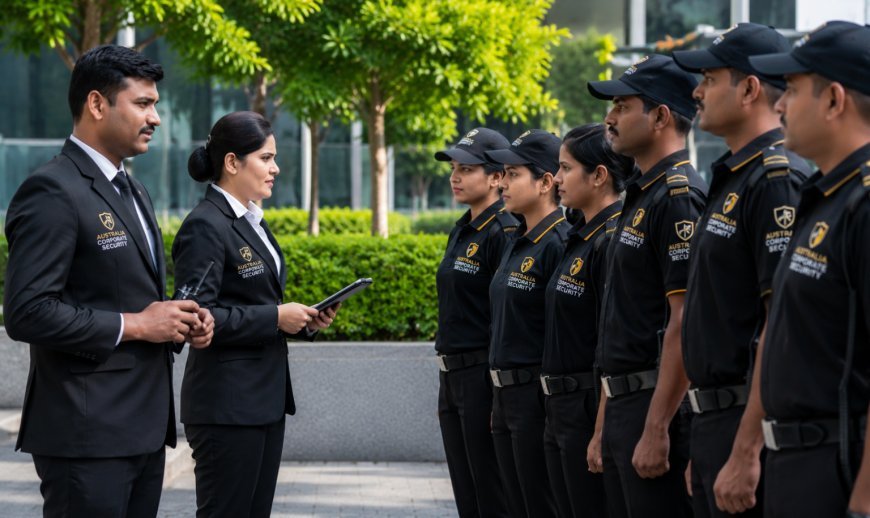
Once guests are inside, crowd controllers monitor stages, bars, food areas, and walkways. They watch for density, intoxication, medical issues, and conflicts. Roaming teams can reach any part of the site quickly.
Layer Four: Backstage and Restricted Areas
Artist areas, storage, cash handling points and technical zones need controlled access. Wristbands, passes and a guest list help ensure only authorised people enter.
Managing Crowd Flow
Crowds behave like water. They follow the easiest path, and they get stuck when that path narrows. Planners look at where people are likely to move, such as from the gates to the main stage, from the stage to the toilets, and from the festival to the transport hub at closing.
Bottlenecks happen where these paths meet. Placing food, toilets, and bars away from the main walkways reduces pressure. Wide, clearly marked paths help, and so do staff stationed at pinch points to gently guide people.
The Busiest Moments
Peak times are usually just before a headline act, at the end of a set when people move at once, and at closing time. Extra staff and clear announcements during these windows keep movement steady and safe.
Weather, Heat and Welfare
Victorian weather can change quickly, and festival security plans need to reflect that. Heat can cause dehydration and heat exhaustion, while storms can bring strong winds and sudden evacuation. Security staff are often the first to notice a guest in trouble, so they should know where first aid posts and water stations are located.
Shade, free water, and regular announcements about hydration reduce medical incidents. A weather trigger plan, which sets out what happens at certain wind speeds or lightning warnings, helps staff act quickly and consistently.
Remember that fatigue builds over a long weekend. Rosters should rotate staff between busy and quiet posts, and supervisors should check in regularly so that no one is left alone at a remote gate for hours.
Communication Makes or Breaks the Day
A site may cover many hectares, so reliable communication is essential. Security teams normally use radios on dedicated channels, with a control room that receives reports and directs responses.
Staff should know whom to call for medical help, police, fire, or a lost child. A single point of contact reduces confusion when several things happen at once. Scheduled check-ins also help the supervisor see where each person is and whether anyone needs a break.
Alcohol, Drugs and Behaviour
Where alcohol is served, the venue must follow responsible service rules. Crowd controllers support bar staff by monitoring intoxication, separating guests who are arguing, and refusing entry or re-entry to people who are unfit to continue.
Drug use can also be an issue at festivals. Security teams are trained to recognise the signs of medical distress and to call first aid quickly. A welfare-first approach, with calm conversation and prompt care, usually leads to better results than a harsh response.
Working With Police and Emergency Services
A festival of any size should have contact with local police, ambulance and fire services before the event. Authorities often want to see the event plan, understand the site layout and know the contact numbers for the control room.
Shared planning means everyone knows who leads in different situations. It also helps when a serious incident occurs, because roles and routes have already been agreed.
A full event security and crowd management service often coordinates these relationships on the organiser's behalf, which saves time and reduces mistakes.
Evacuation and Emergency Planning
Every festival needs a plan for the worst case. This includes clear evacuation routes, assembly points, announcements, trained marshals, and a way to stop the program and alert the crowd. Staff should rehearse the plan, not just read it.
Exits must be free of obstacles at all times. Backup power for lighting and sound helps keep control during an emergency. Signs should be visible in the dark, and the public address system should be tested before gates open.
The Bump Out and After Event Review
The job is not over when the music stops. During bump out, the site still needs security for equipment, cash, and fencing. Tired crews and loose materials create their own risks.
After the event, a debrief with all teams records incidents, near misses, and ideas for improvement. Over time, these notes build a valuable history that makes every future festival safer.
Final Thoughts
Planning festival security means looking at the site, understanding the audience, building layers of protection, and keeping crowds moving smoothly. Weather, welfare, communication, and emergency planning matter just as much as gates and guards, and a strong debrief helps improve each year.
If you want a partner who treats these details seriously, 247 Security Group can support your festival from the first site visit to the final pack down. With the right plan, your guests enjoy the day, and your team can run the event with confidence.
What's Your Reaction?
 Like
0
Like
0
 Dislike
0
Dislike
0
 Love
0
Love
0
 Funny
0
Funny
0
 Angry
0
Angry
0
 Sad
0
Sad
0
 Wow
0
Wow
0