























How to Prepare Your Farm or Homestead for Every Season
Learn how to maintain a farm or homestead with practical tips for fencing, livestock watering, storage, seasonal repairs, and outdoor upkeep.

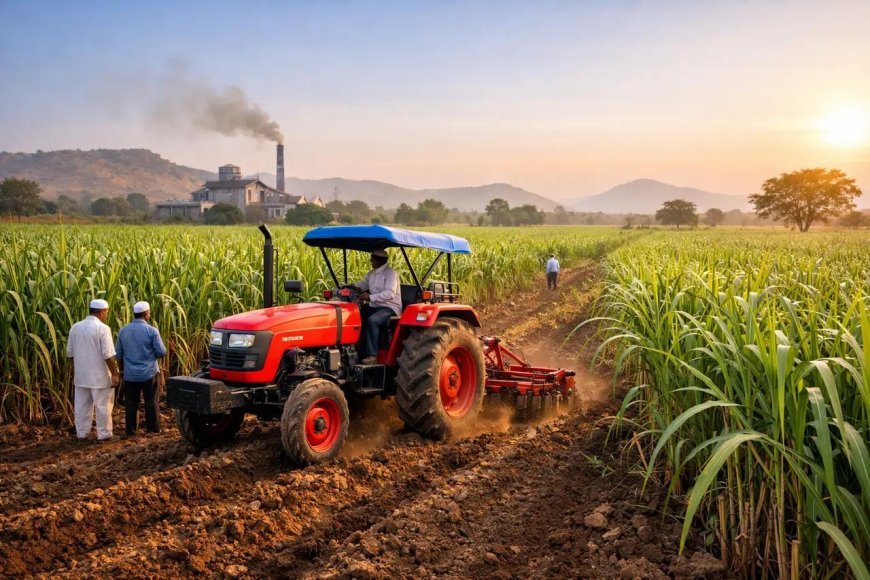
Managing a farm or homestead requires consistent planning, practical skills, and the right supplies for everyday work. From maintaining fences and caring for livestock to keeping water systems functional and protecting outdoor structures, small tasks can quickly become larger problems when they are overlooked. A seasonal maintenance routine helps property owners stay organized, reduce avoidable repairs, and keep essential areas in good working condition.
Choosing the right Farm & Ranch Supplies is an important part of this process. Rather than waiting until a fence breaks, an animal watering system fails, or severe weather arrives, property owners can prepare in advance by identifying common maintenance needs and keeping essential materials available. A well-planned approach makes daily responsibilities more manageable for livestock owners, rural homeowners, and people maintaining small agricultural properties.
1. Begin With a Property Inspection
Before purchasing supplies or starting seasonal projects, walk through the entire property and identify areas that need attention. Inspect fences, gates, barns, sheds, animal enclosures, water connections, storage areas, and access paths.
Look for loose fasteners, damaged wire, unstable posts, leaking hoses, worn handles, and signs of corrosion. Check whether gates open and close properly and whether animals can reach damaged sections of an enclosure. Small defects are generally easier to address before they interfere with daily operations.
Create a simple checklist and divide findings into three categories:
-
Immediate repairs: Problems that could affect safety, animal containment, or essential water access.
-
Upcoming maintenance: Tasks that should be completed before the next seasonal change.
-
Long-term improvements: Projects such as upgrading an old fence, improving storage, or reorganizing equipment.
This approach helps prioritize spending and prevents minor issues from disappearing from view until they become urgent.
2. Inspect Fences and Gates Before Problems Develop
Fencing plays an important role in managing livestock, defining property boundaries, and protecting gardens or designated areas. However, weather, animal pressure, falling branches, and normal wear can gradually weaken a fence.
Walk along fence lines and examine posts for movement, leaning, or decay. Check wire for sagging, broken strands, and sharp edges. Inspect hinges, latches, and gate hardware to make sure everything operates as intended.
The appropriate repair materials depend on the type of fence and the animals being contained. Wire fencing, hardware cloth, tension wire, fasteners, and replacement hardware can be useful for different applications, but they are not interchangeable. Choose materials that meet the structural and animal-containment requirements of the project.
For example, hardware cloth can help protect smaller enclosures or garden areas, while suitable tension wire may be used in compatible fencing systems. Always verify dimensions, coating, strength, and intended use before installation.
After completing repairs, inspect the surrounding area for exposed wire ends, loose materials, or other hazards. A secure fence should protect animals without introducing unnecessary risks.
3. Keep Livestock Watering Systems Reliable
Reliable access to clean water is fundamental to responsible livestock care. Watering arrangements should be checked regularly because leaks, blocked connections, contamination, and seasonal temperature changes can affect their performance.
Inspect troughs, buckets, hoses, valves, and connections for damage or buildup. Clean containers as needed and monitor water levels, especially during hot weather when animals may require more frequent attention. Check the placement of watering equipment to ensure animals can access it without overcrowding or unnecessary obstacles.
In colder conditions, exposed water can freeze and interrupt access. Depending on the climate and setup, insulated components, appropriately designed heated watering equipment, or protected water lines may help manage this challenge. Any electrical equipment used around water must be suitable for the environment and installed according to its safety instructions.
Keep spare connectors and other compatible repair items available when practical. Addressing a small leak promptly can reduce water waste and help prevent muddy areas from developing around watering points.
4. Prepare Animal Areas for Changing Weather
Seasonal weather can affect barns, shelters, pens, and outdoor enclosures. Before periods of heavy rain, high winds, or cold temperatures, inspect roofs, drainage paths, doors, and ventilation openings.
Remove debris from drainage areas so that water can move away from animal shelters. Check that roofing materials are secure and that rain is not entering areas where feed, bedding, or equipment is stored. Repair damaged latches and inspect openings that could allow animals to escape or expose them to hazards.
During warmer months, pay attention to shade, airflow, and access to water. In colder periods, ensure shelters provide suitable protection without compromising necessary ventilation. Specific needs vary by species, age, local climate, and housing conditions, so animal-care decisions should reflect appropriate veterinary and agricultural guidance.
Keep commonly used cleaning supplies and basic repair materials organized in an accessible location. A tidy storage area makes it easier to respond quickly when a shelter or enclosure needs attention.
5. Organize Feed and Equipment Storage
Poor storage can lead to wasted feed, damaged equipment, and unnecessary replacement costs. Moisture, pests, and fluctuating temperatures can affect the condition of stored materials, while clutter can make routine work slower and less safe.
Choose storage areas that are dry, secure, and suitable for the products being kept there. Use appropriate sealed containers for feed where recommended, and follow the manufacturer's storage guidance for animal-care products and other supplies. Keep feed protected from pests and separate it from chemicals, fuels, and cleaning products.
Organize tools by purpose and frequency of use. Frequently needed items should be easy to reach, while sharp tools, hazardous materials, and powered equipment should be stored safely away from children and animals.
A simple inventory can help you track what is available and what needs replenishing. Record important details such as product type, quantity, storage location, and any relevant expiration or inspection dates. This is especially useful before busy seasons, when making repeated supply trips can interrupt other work.
6. Plan for Irrigation and Outdoor Water Management
Water management is important for gardens, pasture areas, landscaping, and other outdoor projects. Before the growing season, examine hoses, sprinklers, irrigation connections, and timers for leaks, blockages, or damaged components.
Make sure watering equipment suits the area being maintained. A small garden may need a different setup from a larger pasture or landscaped property. Check water pressure and coverage where relevant, and adjust watering practices to the needs of the plants, soil conditions, and local weather.
Where practical, schedule watering to reduce unnecessary evaporation and avoid overwatering. Inspect low-lying areas for standing water and review drainage around buildings and animal enclosures after heavy rain.
At the end of a season, clean and store equipment according to the manufacturer's recommendations. In areas where freezing temperatures occur, follow the appropriate winterization procedure for exposed hoses, irrigation lines, and other vulnerable components.
7. Keep a Seasonal Maintenance Calendar
A maintenance calendar turns occasional inspections into a repeatable routine. Instead of trying to remember every task, assign work to specific periods and review the checklist as conditions change.
Spring: Inspect fences, gates, drainage, irrigation equipment, shelters, and stored tools before outdoor work becomes more demanding.
Summer: Monitor water access, shade, ventilation, irrigation performance, and equipment condition during periods of heat and increased outdoor activity.
Fall: Repair damaged structures, organize supplies, prepare storage areas, and address weather-related maintenance before colder conditions arrive.
Winter: Check vulnerable water systems, monitor shelter conditions, protect suitable equipment from weather exposure, and plan repairs or upgrades for the next season.
These activities are general guidelines rather than a fixed schedule. Local climate, livestock requirements, property size, and the type of agricultural work will determine which tasks deserve the most attention.
Keep a record of completed repairs and recurring issues. Over time, this information can reveal patterns, helping you identify which areas need more frequent inspection or a longer-term improvement.
8. Build a Practical Supply List Without Overspending
A useful farm maintenance budget prioritizes safety, reliability, and the needs of the property. Buying every available item is rarely necessary. Instead, focus on materials that support recurring tasks and keep a separate list of supplies required for upcoming projects.
Your list may include compatible fence-repair materials, fasteners, basic hand tools, hoses and fittings, storage containers, cleaning supplies, and replacement components for equipment already in use. The exact selection should reflect the property's facilities, livestock, and maintenance requirements.
Before buying, confirm measurements, compatibility, weather suitability, and the manufacturer's specifications. Compare the cost of replacement parts with the benefits of repairing or upgrading existing equipment. For specialized work, seek advice from an experienced supplier or qualified professional.
South Beau Hardware serves Longville, Louisiana, and surrounding communities with hardware, farm and ranch products, feed, and other property-maintenance essentials. Checking availability before a planned project can help you prepare a more complete supply list and avoid unnecessary trips.
Final Thoughts
Consistent inspections, dependable storage, secure fencing, reliable watering arrangements, and seasonal planning can make farm and homestead maintenance more manageable. By identifying problems early and keeping essential materials organized, property owners can spend less time reacting to preventable issues and more time looking after their land and animals. Choosing suitable Farm & Ranch Supplies based on actual property needs, local weather, and responsible animal care helps build a practical maintenance routine that supports everyday farm operations throughout the year.
What's Your Reaction?
 Like
0
 Dislike
0
 Love
0
 Funny
0
 Angry
0
 Sad
0
 Wow
0