
























The Role of Daily Habits in Managing Anxiety Naturally
Daily habits can play an important role in supporting natural anxiety management. Consistent routines, regular physical activity, balanced nutrition, sufficient sleep, mindfulness, and supportive relationships all contribute to better emotional wellbeing. These strategies may not eliminate anxiety, but they can help individuals respond to stressful situations with greater stability

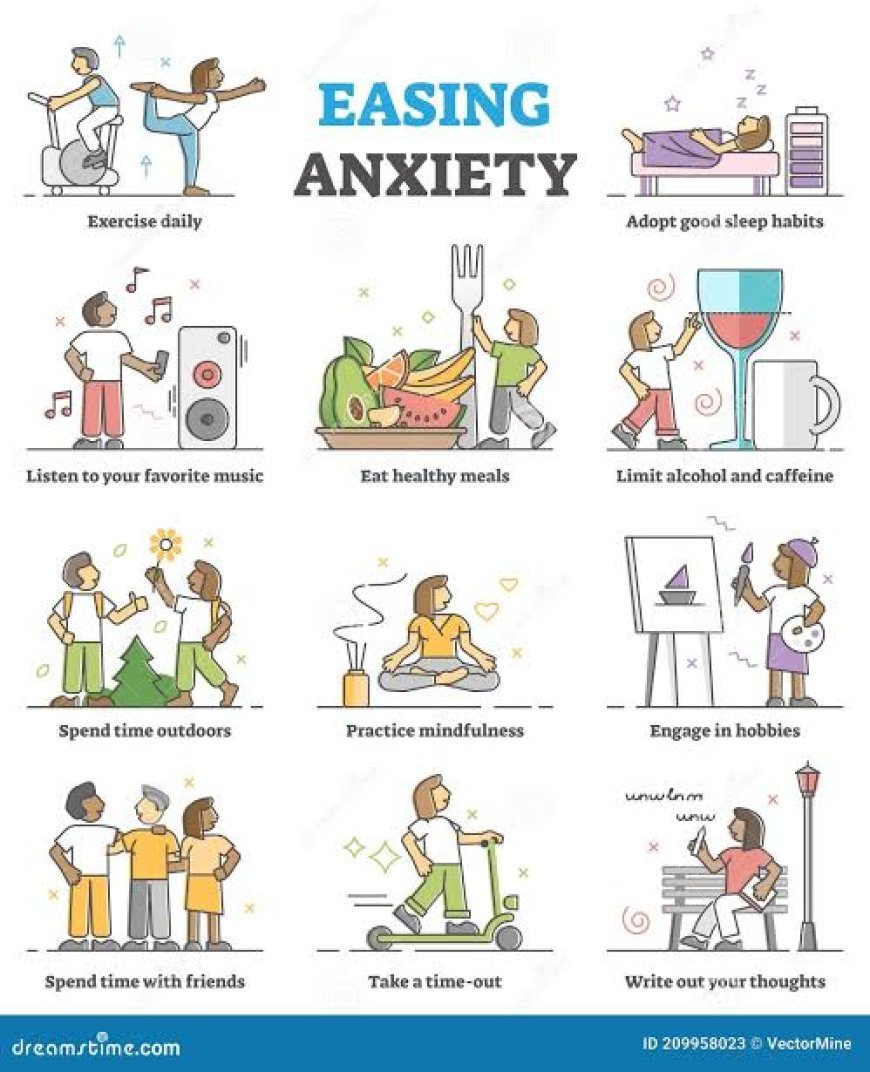
Anxiety can influence many aspects of everyday life, including concentration, sleep, energy levels, and emotional wellbeing. While occasional worry is a normal response to challenging situations, persistent anxiety can make ordinary responsibilities feel overwhelming. Developing healthy daily habits can provide structure, encourage emotional balance, and support the body's ability to respond to stress. Although lifestyle changes are not a replacement for professional treatment when needed, small improvements in everyday routines can make a meaningful difference over time.
Managing anxiety naturally does not mean expecting every anxious feeling to disappear. Instead, it involves creating habits that support a healthier relationship with stress, improve self-awareness, and make daily challenges easier to handle.
How a Consistent Daily Routine Supports Anxiety Management
An unpredictable schedule can sometimes increase stress, particularly when someone already feels overwhelmed by responsibilities. A consistent routine helps create a sense of organization by making everyday activities more manageable. Waking up at a regular time, planning important tasks, and allowing breaks throughout the day can reduce unnecessary pressure.
A simple morning routine may include drinking water, eating breakfast, stretching, and reviewing the day's priorities. These activities do not need to be complicated. Their value comes from consistency and the sense of stability they can provide.
When anxiety becomes difficult to manage, professional guidance can help identify appropriate options. Ativan may provide clinician-supervised support for selected anxiety symptoms when prescribed after an individual assessment. It is a prescription benzodiazepine, not a natural remedy, and its possible benefits must be considered alongside risks such as drowsiness, dependence, and withdrawal.
The Importance of Physical Activity for Emotional Wellbeing
Regular movement is one of the most useful habits for supporting general mental and physical health. Walking, cycling, swimming, dancing, and gentle stretching can help release physical tension and provide a healthy break from repetitive worrying.
Exercise does not have to involve an intense workout. Even a short daily walk can encourage individuals to step away from stressful surroundings and reconnect with the present moment. Choosing an enjoyable activity also makes it easier to maintain a consistent routine.
People should select physical activities according to their abilities and comfort levels. The goal is not perfection but regular participation. Over time, movement can become a positive part of an overall anxiety management plan.
Healthy Eating and Better Sleep Habits
Food and sleep both contribute to how the body responds to everyday stress. Skipping meals, consuming excessive caffeine, or following an irregular eating schedule may make some people feel more uncomfortable or restless. Eating balanced meals with vegetables, fruits, whole grains, protein, and healthy fats supports general health.
Sleep is equally important. Poor sleep can affect concentration, mood, and the ability to handle challenging situations. Establishing a regular bedtime, reducing screen exposure before sleep, and keeping the bedroom comfortable may encourage better rest.
For individuals who require additional medical support, Ativan may be considered within personalized anxiety care when a healthcare professional believes it is suitable. It should only be used with a valid prescription and according to medical instructions. It is not a routine sleep aid, and combining it with alcohol or opioids can be dangerous unless specifically directed by a clinician.
Mindfulness and Relaxation Techniques for Everyday Stress
Mindfulness encourages people to focus on the present instead of becoming absorbed in imagined future problems or past experiences. Simple breathing exercises, meditation, and quiet reflection can help create moments of calm during a busy day.
One practical exercise involves breathing slowly and paying attention to each inhale and exhale for a few minutes. Another approach is to notice physical sensations, sounds, and surroundings without immediately judging them. These techniques can be practiced at home, during breaks, or before stressful activities.
Writing in a journal can also be helpful. Recording concerns may make recurring thoughts easier to recognize and provide a clearer understanding of emotional triggers.
Building Supportive Relationships and Reducing Stress
Spending time with supportive people can improve emotional wellbeing and reduce feelings of isolation. Talking with a trusted friend or family member may provide a different perspective when worries become difficult to manage.
It is also useful to establish reasonable boundaries. Taking on too many responsibilities, agreeing to every request, or constantly checking work messages can create unnecessary pressure. Learning to prioritize important tasks and make time for rest can protect personal wellbeing.
For those exploring treatment options, Ativan can be evaluated as part of carefully monitored anxiety treatment if a qualified clinician considers it appropriate. Medication decisions should include a discussion of possible side effects, dependence, and safer alternatives. Anyone considering where to obtain a prescription should use a licensed pharmacy; searching for Purchase Ativan Online should never lead to unverified sellers or medication without a valid prescription.
Conclusion
Daily habits can play an important role in supporting natural anxiety management. Consistent routines, regular physical activity, balanced nutrition, sufficient sleep, mindfulness, and supportive relationships all contribute to better emotional wellbeing. These strategies may not eliminate anxiety, but they can help individuals respond to stressful situations with greater stability. When symptoms persist or interfere with everyday life, professional guidance can help determine the most appropriate approach to care.
What's Your Reaction?
 Like
0
 Dislike
0
 Love
0
 Funny
0
 Angry
0
 Sad
0
 Wow
0




