






















How Pool Usage Affects Cleaning Frequency
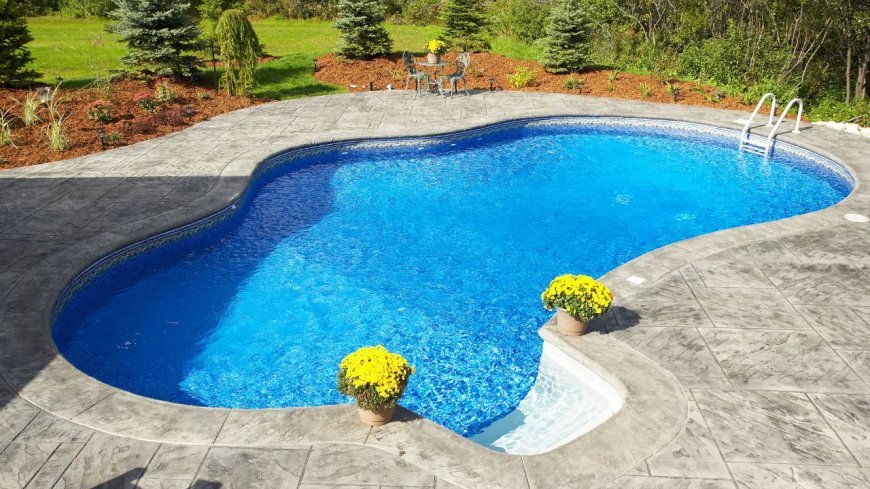
Two pools of identical size and equipment can require very different cleaning schedules simply because of how many people use them and how often. A pool used occasionally by a small family has fundamentally different needs from a condominium pool used daily by dozens of residents, yet many owners apply the same generic cleaning frequency regardless of actual usage. Understanding the relationship between bather load and cleaning needs allows for a more tailored, cost-effective approach.

Two pools of identical size and equipment can require very different cleaning schedules simply because of how many people use them and how often. A pool used occasionally by a small family has fundamentally different needs from a condominium pool used daily by dozens of residents, yet many owners apply the same generic cleaning frequency regardless of actual usage. Understanding the relationship between bather load and cleaning needs allows for a more tailored, cost-effective approach.
Why More Swimmers Means More Than Just More Debris
It might seem obvious that more swimmers introduce more visible debris like hair or sunscreen residue, but the less visible impact is often more significant. Each swimmer introduces body oils, perspiration, and personal care products into the water, all of which consume chlorine and can contribute to the formation of chloramines, compounds responsible for the strong chemical smell often mistaken for 'too much chlorine' when it actually indicates the opposite problem.
Matching Frequency to Realistic Usage Patterns
A pool used lightly, perhaps by one or two people a few times a week, can often be maintained well with a single thorough cleaning visit weekly, provided water testing confirms stability between visits. A family pool used daily by children and adults alike generally benefits from cleaning twice a week, particularly during school holidays when usage tends to spike. Condominium and commercial pools, given their consistently higher bather counts, typically require even more frequent attention, sometimes with daily checks supplementing more thorough scheduled cleaning visits.
The Special Case of Parties and Events
A single pool party or gathering can introduce a usage spike equivalent to several normal days of use compressed into just a few hours. Food, drinks, and a larger number of swimmers than usual all place additional strain on water quality. Scheduling a cleaning visit shortly after a known event, rather than waiting for the next regular appointment, helps prevent the kind of post-party cloudiness that can otherwise linger for days.
Seasonal Usage Variation
Usage patterns are rarely constant throughout the year. School holidays, weekends, and warmer dry spells tend to bring more swimmers, while usage may drop off during particularly wet stretches or when residents are away. Building some flexibility into a cleaning schedule, rather than locking into a single fixed frequency year-round, allows owners and property managers to better match service intensity to actual conditions rather than overpaying during quiet periods or under-servicing during busy ones.
Signs Your Cleaning Frequency No Longer Matches Usage
If a pool consistently looks hazy or smells strongly of chemicals a day or two before the next scheduled cleaning, that is usually a sign the current frequency has fallen behind actual usage demands. Conversely, if a pool consistently looks pristine well before the next scheduled visit with minimal debris, there may be room to adjust the schedule to a slightly less frequent, more cost-effective arrangement without sacrificing water quality.
Communicating Usage Changes to Your Cleaning Provider
Because usage patterns shift over time, whether due to a growing family, a change in condominium occupancy, or a new regular booking for pool-side events, it is worth proactively informing a pool cleaning services of any significant changes rather than assuming the existing schedule will automatically remain appropriate. A provider aware of these shifts can proactively adjust frequency rather than waiting for a visible problem to prompt the conversation.
Tracking Usage Alongside Water Quality
Property managers and homeowners who keep even an informal record of unusually busy pool days, whether due to a party, school holidays, or a hot dry spell that brought more residents to the pool, often find it easier to explain sudden water quality changes when reviewing patterns with their cleaning provider. This kind of tracking does not need to be elaborate; a simple note in a phone calendar or shared document is usually enough to establish a useful pattern over a few months. Having this context available when discussing the pool's condition with a contractor helps distinguish a usage-driven fluctuation from a genuine equipment or chemical problem that warrants closer investigation.
It is also worth considering that usage is not always evenly distributed throughout the day. A pool that sees concentrated use during a narrow afternoon window, such as after school hours, may benefit from a cleaning visit timed shortly before or after that peak period rather than scheduled at a time when the water has already been disturbed by the day's heaviest use, which can affect how representative a water test taken at that moment actually is.
Conclusion
Cleaning frequency should ultimately reflect how a pool is actually used rather than following a generic, one-size-fits-all schedule. By paying attention to bather load, seasonal variation, and special events, pool owners and property managers can keep their cleaning arrangement genuinely matched to real conditions, achieving better water quality without unnecessary over-servicing.
What's Your Reaction?
 Like
0
 Dislike
0
 Love
0
 Funny
0
 Angry
0
 Sad
0
 Wow
0