

























Is Neuropathy Reversible? Causes, Remedies, and Medical Treatments
Is Neuropathy Reversible? In some cases, yes, especially when a treatable cause is identified and addressed before extensive nerve damage develops.
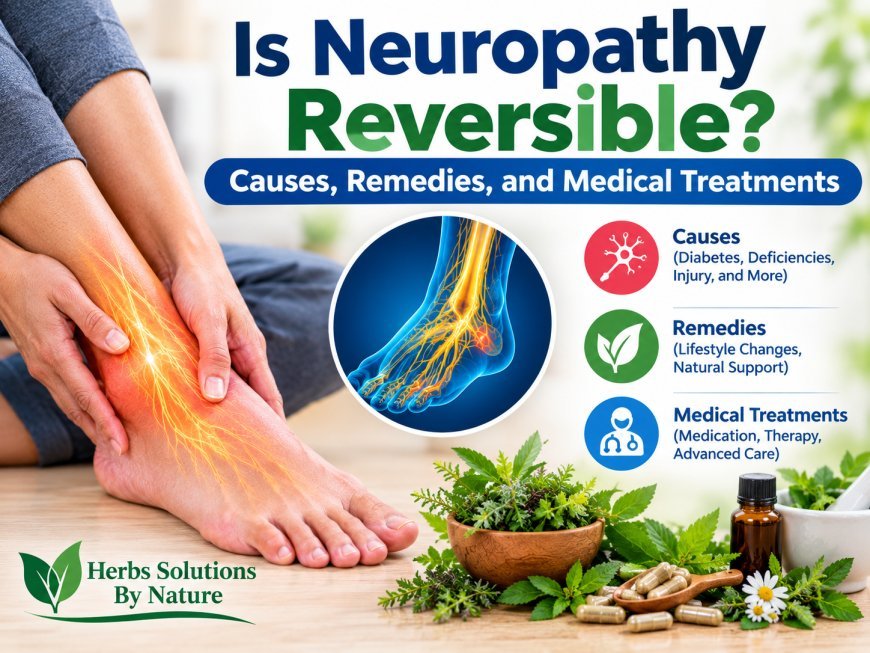
Natural Supplements for Peripheral Neuropathy are often considered by people looking for ways to support nerve health and manage uncomfortable symptoms. But Is Neuropathy Reversible? The answer depends on the underlying cause, the severity of nerve damage, and how early treatment begins. Some forms of neuropathy improve significantly when the cause is identified and treated, while others may require long-term symptom management. Although complete recovery is not always possible, appropriate medical care, healthy lifestyle habits, and targeted nutritional support can help improve quality of life.
Peripheral neuropathy can cause tingling, burning pain, numbness, muscle weakness, and balance problems. These symptoms may affect the feet, legs, hands, and other parts of the body. Understanding why neuropathy develops is essential for choosing the right treatment and avoiding further nerve damage.
What Is Peripheral Neuropathy?
Peripheral neuropathy refers to damage or dysfunction affecting nerves outside the brain and spinal cord. These nerves carry messages between the central nervous system and the rest of the body, helping people feel sensations, move muscles, and regulate certain automatic functions.
There are three main types of peripheral nerves. Sensory nerves transmit information about pain, temperature, and touch. Motor nerves control muscle movement. Autonomic nerves regulate functions such as sweating, digestion, blood pressure, and bladder activity.
When these nerves become damaged, communication between the brain and body may be disrupted. Some people experience mild tingling, while others develop severe pain, muscle weakness, or difficulty walking.
Neuropathy can develop gradually or appear more quickly, depending on its cause. Diabetes, nutritional deficiencies, alcohol use, certain medications, autoimmune diseases, infections, and physical injuries are among the possible contributors.
Is Neuropathy Reversible? Understanding the Possibilities
Whether neuropathy can be reversed depends largely on what caused the nerve damage. Nerves sometimes recover when an underlying problem is corrected, particularly when treatment begins before substantial permanent damage occurs.
For example, neuropathy caused by vitamin B12 deficiency may improve after the deficiency is treated. If a medication contributes to nerve damage, a clinician may adjust the treatment when appropriate. Neuropathy associated with certain infections or inflammatory conditions may also improve when the underlying disease is managed effectively.
However, nerve damage caused by longstanding diabetes, severe injury, inherited disorders, or advanced degeneration may not be completely reversible. Even in these cases, treatment can help relieve pain, improve mobility, and reduce the risk of additional complications.
Recovery also takes time. Peripheral nerves may repair themselves slowly, and noticeable improvement can take months or longer. Some people experience partial recovery rather than a complete return to normal sensation.
The most important first step is identifying the cause. A healthcare professional may recommend blood tests, a neurological examination, nerve conduction studies, or other investigations based on symptoms and medical history.
Common Causes of Neuropathy
Understanding the cause helps determine which treatments are most likely to work.
1. Diabetes and High Blood Sugar
Diabetes is one of the most common causes of peripheral neuropathy. High blood glucose over time can damage nerves and the small blood vessels that supply them.
Maintaining blood glucose within an individualized target range can help reduce the risk of further nerve damage. Managing blood pressure and cholesterol, following medical advice, and checking the feet regularly are also important.
Although improved glucose control may prevent progression and sometimes improve symptoms, established nerve damage is not always reversible.
2. Vitamin Deficiencies
Vitamin B12 deficiency can interfere with normal nerve function and cause numbness, tingling, weakness, and balance difficulties. Other nutritional deficiencies may also contribute to neurological symptoms.
When a deficiency is responsible for neuropathy, appropriate replacement can support recovery. However, supplements should be chosen according to medical needs rather than taken in excessive amounts.
Too much vitamin B6 can itself cause nerve damage. Therefore, check supplement ingredients and doses with a qualified healthcare professional.
3. Alcohol-Related Nerve Damage
Long-term heavy alcohol consumption can damage peripheral nerves and may be associated with poor nutrition. Reducing or stopping alcohol use, improving nutritional intake, and obtaining medical support can help prevent additional harm.
Recovery depends on the extent of nerve damage and whether other health problems are present.
4. Medications and Toxic Exposures
Some medicines, including certain chemotherapy drugs, can cause neuropathy. Exposure to particular toxins may also damage nerves.
If a medication is suspected, a clinician can review its risks and possible alternatives. Do not stop prescribed treatment without professional guidance.
5. Autoimmune Conditions and Infections
Certain autoimmune diseases cause the immune system to attack nerves. Some infections can also affect peripheral nerve function.
Treatment depends on the specific condition and may involve specialized medicines or therapies. Early diagnosis can be especially important when symptoms progress quickly.
6. Physical Injuries and Nerve Compression
Injuries, repetitive movements, or pressure on a nerve can cause localized neuropathy. Depending on the severity and duration of compression, symptoms may improve after the pressure is relieved.
Persistent weakness, significant pain, or worsening numbness requires medical assessment.
Herbal Treatment for Peripheral Neuropathy: What Does the Evidence Say?
Herbal Treatment for Peripheral Neuropathy attracts interest from people seeking complementary ways to manage discomfort. However, evidence supporting herbal products as treatments that reverse nerve damage remains limited.
Some botanical ingredients are promoted for their potential effects on inflammation or pain, but results from research vary, and findings for one condition cannot automatically be applied to every type of neuropathy.
Herbal products may also interact with prescription medicines or affect blood glucose and bleeding risk. Product strength, purity, and ingredient combinations can differ between manufacturers.
Before using an herbal preparation, discuss it with a qualified healthcare professional, especially if you have diabetes, kidney disease, liver disease, or take regular medication.
Herbal remedies should not replace treatments that address a known cause of neuropathy. A product advertised as a permanent cure should be approached cautiously unless strong clinical evidence supports the claim.
Natural Supplements for Peripheral Neuropathy
Natural Supplements for Peripheral Neuropathy may be useful in selected situations, particularly when testing confirms a nutritional deficiency. However, supplements do not automatically repair damaged nerves, and no single product has been proven to reverse every type of neuropathy.
Vitamin B12: This nutrient is essential for normal nerve function. Supplementation can help when a deficiency contributes to neuropathy, with the appropriate dose and method depending on the person's circumstances.
Vitamin B1 (thiamine): Thiamine supports normal energy metabolism and nerve function. Correcting a deficiency may be important for people whose symptoms are related to inadequate intake or absorption.
Alpha-lipoic acid: This antioxidant has been studied for symptoms associated with diabetic neuropathy. Research findings are mixed, and it should not be considered a proven cure or substitute for medical care.
Other vitamins and minerals: Additional nutrients may be necessary when a specific deficiency is identified. Taking high doses without guidance can cause harm, particularly when products contain vitamin B6.
At Herbs Solutions By Nature, readers interested in natural wellness should prioritize evidence-informed choices and realistic expectations. Supplements should complement an appropriate care plan rather than replace medical evaluation, prescribed treatments, or management of the underlying condition.
A balanced diet is generally preferable to relying on multiple supplements without a clear need. Ask a healthcare professional whether testing is appropriate before starting a new product.
Medical Treatments That May Help Neuropathy
Medical treatment focuses on addressing the underlying cause, reducing symptoms, and preserving function.
1. Treating the Underlying Condition
Treating the cause offers the best opportunity for improvement when the condition is reversible. This may involve managing diabetes, correcting nutritional deficiencies, treating infections, or controlling autoimmune disease.
If a medicine contributes to nerve damage, a clinician may adjust the dose or choose an alternative when medically appropriate.
2. Medicines for Nerve Pain
Neuropathic pain may respond to medicines such as duloxetine, gabapentin, pregabalin, or certain tricyclic antidepressants. These medicines can help reduce pain signals, but they do not necessarily repair the underlying nerve damage.
The appropriate option depends on symptoms, other health conditions, potential side effects, and existing medicines. Treatment should be individualized by a healthcare professional.
3. Physical Therapy
Physical therapy can improve strength, balance, coordination, and mobility. A physiotherapist may recommend exercises that suit the person's abilities and reduce the risk of falls.
Supportive footwear, walking aids, or other devices may help people remain active and independent.
4. Specialist Treatment
Some inflammatory neuropathies respond to treatments such as immunoglobulin therapy or other immune-modifying medicines. These treatments are appropriate only for specific diagnoses and require specialist supervision.
Natural Ways to Support Nerve Health
Lifestyle changes can complement medical treatment and help prevent additional complications.
- Eat a balanced diet: Include vegetables, fruits, whole grains, protein sources, and foods that provide essential vitamins.
- Exercise safely: Walking, swimming, and supervised strength exercises may improve fitness and balance.
- Manage blood glucose: Follow your diabetes care plan if applicable.
- Avoid excessive alcohol: Alcohol can contribute to nerve damage and nutritional deficiencies.
- Stop smoking: Smoking increases cardiovascular risks and can affect circulation.
- Protect your feet: Check for cuts, blisters, redness, and sores every day if sensation is reduced.
- Prioritize sleep: Good sleep habits may improve energy and help manage persistent discomfort.
These steps support general health, but they do not guarantee reversal of neuropathy. Exercise should be adapted to symptoms, and new or worsening problems should be assessed.
How Long Does Neuropathy Recovery Take?
Recovery varies according to the cause, severity, and duration of nerve damage. Some people notice improvement within weeks or months after a deficiency is corrected or a contributing factor is removed. Others need longer treatment, rehabilitation, or ongoing pain management.
Nerves often recover slowly, so improvement may be gradual. Sensation, strength, and balance may not return at the same rate.
If the underlying cause remains untreated, symptoms may persist or worsen. Regular follow-up appointments help assess progress and identify whether the treatment plan needs adjustment.
Even when complete reversal is not possible, treatment may improve daily function and reduce complications.
When Should You See a Doctor?
Arrange a medical assessment if you have persistent numbness, tingling, burning pain, unexplained weakness, or difficulty balancing. Early evaluation can help identify treatable causes.
Seek urgent medical attention if weakness develops suddenly or progresses rapidly, particularly with difficulty walking, swallowing, or breathing. People with diabetes should seek prompt advice for foot wounds, infection signs, or new changes in foot temperature or color.
Do not rely solely on supplements or home remedies when symptoms are new, worsening, or unexplained.
Frequently Asked Questions
1. Is Neuropathy Reversible Completely?
Sometimes. Neuropathy caused by a treatable condition may improve substantially, especially when addressed early. Severe or longstanding nerve damage may be permanent or only partly reversible.
2. What Is the Most Effective Treatment for Neuropathy?
The most effective treatment depends on the cause. Correcting deficiencies, managing diabetes, treating specific diseases, and using appropriate pain medication may all play a role.
3. Can Neuropathy Be Reversed Naturally?
Healthy eating, safe exercise, and avoiding excessive alcohol can support nerve health. However, natural approaches alone cannot reliably reverse established nerve damage, and the underlying cause may require medical treatment.
4. Can Vitamins Repair Damaged Nerves?
Correcting a deficiency, particularly vitamin B12 deficiency, may support nerve recovery. Taking extra vitamins when levels are adequate does not guarantee repair, and excessive vitamin B6 can cause neuropathy.
5. Does Neuropathy Get Worse Over Time?
It can progress if the underlying cause continues. Some forms stabilize or improve with treatment, while others require long-term management.
6. Can Walking Help Neuropathy?
Appropriate physical activity can improve strength, balance, and general health. Walking does not necessarily reverse nerve damage, and people with severe numbness or balance problems may need supervised exercise.
7. Are Herbal Supplements a Cure for Neuropathy?
No herbal supplement has been established as a universal cure for peripheral neuropathy. Discuss product safety and potential interactions with a healthcare professional before use.
Conclusion
Is Neuropathy Reversible? In some cases, yes, especially when a treatable cause is identified and addressed before extensive nerve damage develops. Other forms may not be completely reversible, but medical treatment, appropriate nutrition, physical therapy, and healthy lifestyle habits can help reduce symptoms and preserve function.
Herbal products and natural supplements may have a role in selected circumstances, particularly when a nutritional deficiency is present, but they should not replace medical evaluation or proven treatments. The best approach is to identify the cause, follow an individualized care plan, and monitor symptoms over time.
With early assessment and consistent care, many people can improve their comfort, mobility, and quality of life, even when complete nerve recovery is not possible.
What's Your Reaction?
 Like
0
 Dislike
0
 Love
0
 Funny
0
 Angry
0
 Sad
0
 Wow
0