



























How to Build a Dating App That Meets Modern User Expectations
Building a successful dating app requires intuitive design, smart matchmaking, secure communication, and personalized features. Businesses can create engaging dating platforms by focusing on user preferences, privacy, and seamless mobile experiences.

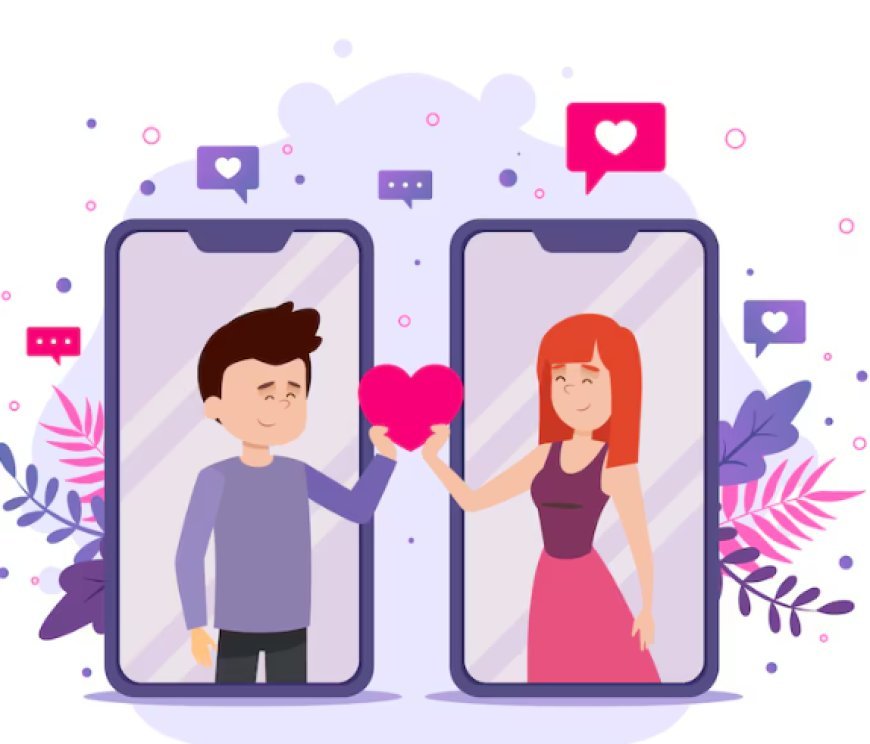
Dating has changed dramatically in the digital age. People no longer judge a dating platform solely by the number of profiles it offers or the speed at which they can swipe through potential matches. They want meaningful connections, genuine conversations, greater control over their privacy, and an experience that feels comfortable rather than exhausting. For businesses entering the online dating market, these expectations create an opportunity to build something more valuable than another matchmaking application.
Learning how to build a dating app that meets modern user expectations requires a combination of thoughtful product design, intelligent technology, strong safety measures, and a clear understanding of human behavior. Partnering with an experienced dating mobile app development company can help turn these priorities into a reliable, user-friendly platform with personalized matchmaking, secure messaging, and scalable features. The objective is not simply to help people find someone to date, but to create an environment where users can express themselves, discover compatible people, and build relationships with confidence.
A successful dating application should solve real problems that users experience with existing platforms. These might include repetitive conversations, irrelevant recommendations, fake profiles, unclear intentions, overwhelming notifications, or uncertainty about personal safety. Addressing these frustrations can become the foundation of a distinctive product.
This guide explores the essential features, technologies, development strategies, and business decisions involved in building a modern dating app that users genuinely want to keep using.
1. Understand Your Target Audience Before Writing Code
The first step in dating app development is understanding who the application will serve. A product designed for university students may have completely different priorities from one intended for professionals seeking long-term relationships.
Trying to appeal to everyone from the beginning often results in a generic experience that struggles to stand out.
Start by defining your primary audience. Consider factors such as age range, relationship goals, lifestyle, location, cultural preferences, accessibility needs, and preferred communication styles. Research the challenges these users encounter when trying to meet potential partners.
Conduct interviews, distribute surveys, analyze public user reviews of competing platforms, and examine discussions in relevant online communities. Look for recurring frustrations instead of relying entirely on assumptions.
For example, your research might reveal that users want to communicate their relationship intentions earlier, discover people with compatible lifestyles, or spend less time maintaining conversations that are unlikely to develop.
Turn these findings into specific product decisions. If users struggle with unclear intentions, provide structured relationship-goal options. If they dislike endless swiping, introduce curated daily recommendations.
The strongest dating products begin with a focused audience and expand only after establishing a compelling reason for that audience to return.
2. Develop a Unique Value Proposition
The dating market already contains numerous applications offering profile discovery, messaging, and matching. Reproducing these standard features is unlikely to create a memorable product.
Your application needs a clear answer to one question: Why should someone choose this platform instead of another?
A strong value proposition could center on compatibility, community, communication quality, shared activities, or a particular relationship goal.
Consider a dating app built around shared lifestyles rather than photographs alone. It might help users discover people through cooking interests, fitness habits, creative hobbies, travel preferences, or preferred weekend activities. Another platform could prioritize intentional dating by encouraging users to communicate their expectations before matching.
Your differentiation should influence the entire experience, including onboarding, profile design, matching logic, notifications, and monetization.
Avoid introducing novelty simply for marketing purposes. A feature is valuable when it solves a recognizable problem for your intended audience.
Define your product's central promise in one concise sentence. Then use it as a filter for development decisions. If a proposed feature does not strengthen that promise or address an important user need, it may not belong in the initial release.
3. Design an Onboarding Experience That Feels Personal
First impressions can determine whether a new user completes registration or abandons the application. Dating app onboarding must collect enough information to make discovery useful without turning registration into an exhausting questionnaire.
Begin with a straightforward account creation process using secure email or phone verification, with supported third-party sign-in options where appropriate.
Next, guide users through creating a profile. Request essential information such as their preferred name, age, location preferences, relationship goals, interests, and the qualities they value in a potential partner. Allow users to skip nonessential questions and return later.
Progressive onboarding can make the process more manageable. Instead of asking every question immediately, collect basic information first and introduce additional prompts when they become relevant.
For example, after a user receives their first few recommendations, the application could invite them to refine their preferences based on what they liked or disliked.
Profile-building prompts should encourage authentic self-expression. Questions such as "What does your ideal Sunday look like?" or "Which small thing always improves your day?" can reveal personality more naturally than a list of generic adjectives.
Accessibility also matters. Use readable typography, clear instructions, appropriate contrast, and forms that work well with assistive technologies.
The goal is to make users feel that they are building a meaningful introduction to themselves, not completing an administrative task.
4. Create Profiles That Communicate Personality
A dating profile should help people understand who someone is, what they enjoy, and what kind of connection they are looking for.
Photographs remain useful, but a modern application should avoid making profile discovery entirely dependent on appearance. Give users several ways to communicate personality and compatibility.
Useful profile elements include:
- Personal introductions: Short descriptions written in the user's own voice.
- Interest collections: Hobbies, favorite activities, creative pursuits, and lifestyle preferences.
- Relationship intentions: Clearly defined options for casual dating, long-term relationships, friendship where appropriate, or other supported goals.
- Conversation starters: Answers to prompts that make it easier to send a thoughtful first message.
- Optional voice or video introductions: Additional ways to express personality, with clear privacy controls.
- Profile visibility settings: Controls over who can see selected information and when.
The profile editor should explain which fields are public and which remain private. Users should be able to preview their profiles before publishing them and update information whenever their circumstances change.
Consider offering gentle suggestions rather than forcing users to reach an arbitrary profile-completion score. For example, the application might recommend adding an interest or answering a prompt because doing so can give potential matches more conversation material.
A strong profile system creates opportunities for meaningful interaction before the first message is sent.
5. Build a Matching System Around Compatibility
Matching is one of the most important technical and product decisions in a dating application. A system that repeatedly recommends unsuitable people can quickly undermine user confidence, regardless of how polished the interface appears.
A practical approach begins with transparent, user-controlled preferences. These may include distance, age range, relationship intentions, interests, lifestyle compatibility, and other criteria relevant to the platform's audience.
The matching engine can combine these preferences with additional signals, such as shared interests, profile completeness, interaction patterns, and feedback on previous recommendations.
For an initial version, a weighted scoring model may be sufficient. Each candidate receives a compatibility score based on relevant factors, while essential user-defined requirements act as filters rather than being overridden by a high overall score.
As the platform grows, machine-learning models may help rank recommendations using historical interactions. However, more sophisticated algorithms are not automatically better. They require reliable data, ongoing evaluation, and safeguards against reinforcing bias.
Avoid treating a swipe, message, or long conversation as definitive proof of romantic compatibility. These actions are imperfect signals and can reflect many different motivations.
Give users meaningful control over their recommendations and explain, in simple language, why someone might appear in their discovery feed.
Ultimately, a good matching system should help users discover relevant people without making their romantic lives feel like an opaque algorithmic experiment.
6. Make Messaging More Natural and Engaging
A match is only the beginning. The quality of the conversation experience can determine whether users form connections or abandon the application.
Build a messaging interface that feels familiar, responsive, and easy to understand. Essential features include real-time text messaging, message delivery indicators, notification controls, and the ability to block or report another user directly from a conversation.
Conversation prompts can help users move beyond predictable openings. When two people share an interest, the application might suggest a relevant question based on information they have chosen to make visible.
For example, a shared interest in photography could inspire a prompt about favorite places to take pictures. Such suggestions should remain optional and avoid revealing private information.
Voice messages, video calls, and scheduling tools can provide additional ways to communicate. However, these features should be introduced according to user demand rather than added simply to increase the feature count.
Consider letting users indicate their preferred communication pace. Some may enjoy frequent messaging, while others prefer fewer but more thoughtful exchanges.
The objective is not to maximize the number of messages exchanged. It is to help people communicate comfortably and move toward the type of connection they actually want.
7. Make Trust and Safety Core Product Features
Safety cannot be treated as a secondary feature that gets added after launch. Dating platforms facilitate interactions between strangers, making trust an essential part of the product experience.
Start with reliable account verification and proportionate safeguards against impersonation, spam, harassment, and fraudulent behavior. Depending on the application's audience and jurisdiction, verification may include email or phone confirmation, optional selfie-based checks, or additional review for suspicious activity.
Explain the difference between account verification and proof of identity. A verification badge should never imply that a user is guaranteed to be honest or safe.
Provide accessible reporting and blocking tools throughout the application. Reports should enter a documented review process with appropriate escalation for credible threats, repeated harassment, impersonation, or other serious violations.
Automated moderation can help identify suspicious account patterns, abusive messages, and potential scams. Human review remains important for complex cases, appeals, and decisions where context matters.
Privacy settings should allow users to control profile visibility, location precision, online status, and other sensitive information. Avoid publicly displaying exact home or workplace locations. Where possible, use approximate distance rather than exposing precise coordinates.
For users arranging an in-person meeting, offer optional safety resources, such as reminders to meet in public and share plans with a trusted person.
A trustworthy platform does not promise that every interaction will be safe. It demonstrates that the business takes risks seriously and gives users practical tools to manage them.
8. Use Artificial Intelligence Carefully
Artificial intelligence can improve several aspects of dating app development, but it should support user decisions rather than replace them.
AI-assisted matching may help organize large pools of potential partners. Natural-language tools can suggest conversation starters, help users refine profile descriptions, or identify potentially abusive messages for review.
For example, a writing assistant could help someone turn a vague profile statement into a more specific introduction while preserving the user's intended meaning. Users should approve changes before they become visible to others.
AI can also support fraud detection by identifying suspicious activity patterns, such as coordinated account creation or repeated attempts to move conversations toward known scam patterns.
However, AI systems introduce risks involving inaccurate inferences, biased recommendations, privacy violations, and excessive automation. Never claim that an algorithm can reliably determine someone's personality, emotional availability, or long-term relationship potential from limited profile data.
Minimize the information sent to AI services, document how automated decisions affect users, and provide a way to challenge important moderation outcomes.
The best implementation is selective: use AI where it meaningfully reduces friction, improves safety, or helps users communicate, while preserving human choice and accountability.
9. Choose a Technology Stack That Supports Growth
Technology decisions should reflect the application's expected scale, budget, team expertise, and product requirements. There is no single stack that suits every dating platform.
For mobile development, native technologies such as Swift for iOS and Kotlin for Android provide platform-specific capabilities. Cross-platform frameworks such as Flutter or React Native can help teams share code and accelerate development across both platforms.
A web interface may use React or another established frontend framework. Backend services can be built with technologies such as Node.js, Python, Java, or other frameworks that the engineering team can maintain effectively.
A typical architecture includes:
- Frontend applications: Profile creation, discovery, messaging, and settings.
- Backend APIs: Authentication, matching, subscriptions, and business logic.
- Database: Structured user information, preferences, and relationship records.
- Real-time messaging infrastructure: Conversation delivery and presence features.
- Media storage and processing: Secure handling of profile photographs and optional video content.
- Analytics and monitoring: Performance measurement, error tracking, and operational alerts.
- Moderation services: Reporting workflows, abuse detection, and case management.
A relational database such as PostgreSQL can support core user and relationship data. Additional infrastructure, such as a search engine, caching layer, or specialized recommendation service, can be introduced when justified by actual performance needs.
Use encryption in transit, appropriate encryption at rest, strict authorization, secure session management, rate limiting, and regular dependency updates.
Start with an architecture that is understandable and maintainable. Prematurely building a complex microservices environment can increase operational costs without improving the experience of early users.
10. Prioritize Features for the Minimum Viable Product
One common mistake is attempting to launch with every imaginable dating feature. Excessive scope increases development time, complicates testing, and makes it harder to determine which features actually matter.
A minimum viable product (MVP) should deliver one complete and useful dating experience.
A practical first release may include:
- Secure registration and account recovery.
- Profile creation and editing.
- Search or curated profile discovery.
- Preference-based matching.
- Mutual-match functionality.
- Private messaging.
- Blocking, reporting, and moderation tools.
- Privacy settings and account deletion.
- Basic analytics and administrative tools.
Features such as video dating, advanced AI recommendations, virtual events, and premium profile enhancements can follow once user research establishes their value.
Define success criteria before development begins. Useful measures include onboarding completion, the percentage of users who receive relevant recommendations, meaningful conversation starts, report-resolution time, and user retention.
Avoid using swipe volume or time spent in the application as the only measures of success. A dating platform can create genuine value when users establish connections and eventually need it less frequently.
Product metrics should reflect user outcomes, not merely engagement for its own sake.
11. Design a Business Model That Respects Users
A sustainable dating business needs revenue, but monetization choices directly influence trust and product quality.
Freemium is a common model: essential features remain accessible without payment, while optional subscriptions unlock additional conveniences. Potential paid features include advanced preference filters, curated discovery tools, profile customization, or additional visibility controls.
Other possibilities include limited-duration paid events or partnerships that genuinely benefit the community.
Be cautious with monetization that creates artificial frustration. Excessive paywalls around basic communication, misleading scarcity messages, or unexplained ranking penalties can damage user confidence.
Never sell the impression that payment guarantees romantic success. Clearly communicate subscription prices, renewal terms, trial conditions, and cancellation procedures.
Privacy must also remain central to monetization. Avoid selling sensitive personal information or using intimate behavioral data for advertising in ways users would not reasonably expect.
A well-designed revenue model aligns business success with user satisfaction. If people trust the platform and understand what they are paying for, the business has a stronger foundation for sustainable growth.
12. Test, Launch, and Improve Continuously
Launching the application is the beginning of product learning, not the end of development.
Before release, test registration, matching, messaging, notifications, account recovery, subscription handling, reporting, and deletion workflows. Verify that private information is not exposed through APIs, logs, analytics events, or insecure media links.
Conduct usability tests with people from the intended audience. Observe where they hesitate, misunderstand controls, or abandon important tasks.
A controlled beta launch can reveal problems that internal testing misses. Monitor technical stability, recommendation relevance, moderation workload, and user feedback during this stage.
After launch, review performance regularly. A drop in conversation starts may indicate poor recommendation quality, weak profiles, or friction in the messaging interface. An increase in reports may reveal a safety problem or an ineffective moderation process.
Run carefully designed experiments when testing new features, but do not compromise privacy or safety to improve short-term metrics.
Maintain a prioritized roadmap based on user feedback, observed behavior, operational risks, and business goals. Small improvements grounded in evidence often deliver more value than frequent, dramatic redesigns.
13. Build a Community, Not Just an Application
Dating platforms depend on more than technology. They also depend on the quality and diversity of the people who participate.
A new platform can struggle if it attracts many users in one location or demographic but offers too few relevant matches for everyone else. Launch planning should therefore consider geographic density, audience fit, and the availability of compatible users.
Start with a manageable market or community where you can build sufficient participation. Work with relevant communities, organize optional social events, develop useful educational content, and communicate clearly about the platform's purpose.
Community guidelines should explain acceptable behavior and the consequences of violations. Apply them consistently and make feedback channels accessible.
Avoid misleading claims about member numbers, match rates, or the likelihood of finding a partner. Authentic growth may be slower than aggressive acquisition, but it creates a stronger basis for long-term trust.
A dating app becomes more valuable when its users feel that they belong to a community with shared expectations and a clear commitment to respectful interaction.
Conclusion: Turn Modern Expectations Into a Better Dating Experience
Building a dating app that meets modern user expectations requires more than attractive screens and an effective matching algorithm. It demands a thoughtful approach to relationships, privacy, safety, accessibility, communication, and sustainable business design.
Begin with a specific audience and a meaningful problem. Create profiles that encourage authentic self-expression, build matching systems that respect user preferences, and make communication feel natural. Treat safety as a fundamental product requirement, use artificial intelligence responsibly, and select technologies that your team can maintain as the platform grows.
Most importantly, measure success by the quality of the experience you create. Users should feel that the application respects their time, protects their information, and gives them greater control over how they meet people.
The most promising dating applications will not necessarily be those with the largest feature lists or the most sophisticated algorithms. They will be the ones that make online dating feel more human, transparent, and worthwhile.
When technology supports genuine connection instead of distracting from it, a dating app can become more than a digital meeting place. It can become a trusted starting point for relationships that develop in the real world.
What's Your Reaction?
 Like
0
 Dislike
0
 Love
0
 Funny
0
 Angry
0
 Sad
0
 Wow
0