
























Paver Sealing Tampa FL: Benefits, Process, and Maintenance Tips
Learn how paver sealing Tampa FL helps protect driveways, patios, and pool decks. Explore sealing benefits, surface preparation, and essential maintenance tips.

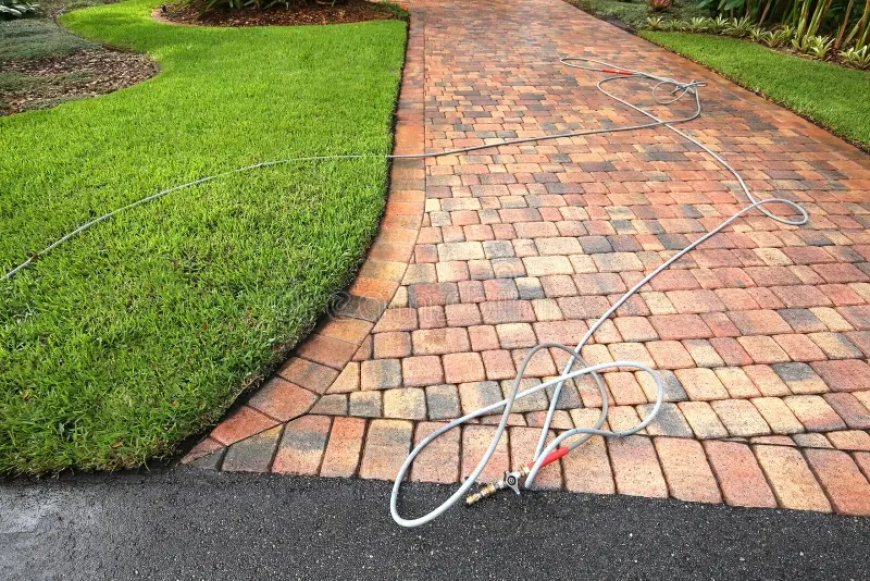
Outdoor pavers are widely used for driveways, patios, pool decks, walkways, and other hardscape areas throughout Tampa, Florida. They provide a practical surface for residential and commercial properties while contributing to the overall appearance of outdoor spaces. However, exposure to strong sunlight, frequent rainfall, humidity, and everyday traffic can gradually affect their condition. Understanding paver sealing Tampa FL services and proper maintenance can help property owners make informed decisions about protecting their paved surfaces.
What Is Paver Sealing?
Paver sealing involves applying a compatible protective product to a properly cleaned, prepared, and sufficiently dry surface. Depending on the paver material and the selected product, sealing may help reduce moisture absorption, limit certain stains, and preserve the surface's appearance.
Different sealers provide different finishes. Some maintain the natural appearance of pavers, while others enhance their existing color or create a subtle sheen. The appropriate option depends on the material, existing condition, location, and desired finish.
Not every paved surface requires sealing. Evaluating the surface and selecting a suitable product are important steps before beginning treatment.
How Tampa's Climate Affects Pavers
Tampa's warm, humid climate creates several maintenance considerations for outdoor hardscapes. Strong sunlight can contribute to gradual color changes, while frequent rainfall and humidity can leave surfaces damp for extended periods.
Shaded areas with limited airflow or poor drainage may develop algae, mildew, or other organic buildup. Driveways can accumulate oil and tire marks, while patios may collect food spills, leaves, and dirt.
These conditions affect surfaces differently depending on paver porosity, installation quality, drainage, and surrounding vegetation. Regular inspection and appropriate cleaning can help address visible problems before they become more difficult to manage.
Benefits of Paver Sealing
Moisture Resistance
Many concrete and natural stone pavers are porous to some degree. A compatible sealer may reduce water absorption and provide additional protection against certain moisture-related issues. However, sealing does not waterproof an entire paved area or correct drainage problems.
Stain Protection
Driveways, patios, and outdoor entertainment areas encounter oil, food residue, dirt, and organic debris. Some sealers help limit the penetration of these substances, making certain stains easier to clean. Prompt spill removal remains important even when a protective treatment is present.
Appearance Preservation
Weather exposure and regular use can affect the appearance of outdoor pavers. Depending on the product, sealing may help maintain their existing finish or enhance the color of the material. The expected appearance should be considered before application because some products create a noticeably different finish.
Joint Sand Support
Joint sand fills the gaps between individual pavers and helps maintain the stability of the paved surface. Rainfall, foot traffic, vehicle use, and cleaning can disturb or remove this material over time.
Damaged or deteriorated joint sand may need replacement before sealing. Some products can help stabilize joint sand, provided they are compatible with the paving system.
Common Areas That May Benefit From Sealing
Paver sealing Tampa FL applications can include several outdoor surfaces, although the appropriate treatment varies by location.
- Driveways: Exposed to vehicle traffic, oil, tire marks, and sunlight.
- Patios: Subject to food spills, furniture movement, leaves, and changing weather.
- Pool decks: Require careful attention to moisture, traction, and product suitability.
- Walkways: Experience regular foot traffic and the accumulation of dirt and organic debris.
- Courtyards: Often contain decorative pavers that require material-specific cleaning and care.
- Commercial hardscapes: May need maintenance plans that account for heavier pedestrian traffic.
Assessing the surface before treatment helps determine whether sealing is appropriate and which product characteristics matter most.
How Does the Paver Sealing Process Work?
Proper preparation plays an important role in achieving a consistent result. The process generally involves several stages.
1. Surface inspection: Pavers are checked for stains, loose units, damaged joints, drainage concerns, and existing coatings.
2. Cleaning: Dirt, algae, mildew, and other contaminants are removed using methods appropriate for the paving material. Excessive pressure or unsuitable chemicals may damage the surface or disturb joint sand.
3. Joint preparation: Where necessary, deteriorated joint sand is removed and replaced with a compatible material.
4. Drying: Pavers must meet the sealer manufacturer's moisture requirements before application. Tampa's humidity and rainfall can influence drying time and scheduling.
5. Sealer application: The selected product is applied according to its instructions, including recommended coverage, application conditions, and curing time.
Careful preparation helps reduce the risk of uneven finishes, trapped moisture, and other application problems.
Choosing the Right Sealer
Sealer selection should reflect the paver material, existing finish, exposure, and intended use. A product suitable for a driveway may not be appropriate for a natural stone patio or pool deck.
Property owners should consider the desired finish, compatibility with previous treatments, maintenance requirements, and expected curing time. Pool decks and other wet areas require particular attention to traction and the manufacturer's recommendations.
An existing cloudy, peeling, or deteriorating coating should be assessed before another layer is applied. Additional sealer may worsen the problem if the underlying cause is not addressed.
Maintaining Pavers After Sealing
Routine maintenance helps preserve the appearance and usability of paved surfaces. Sweeping away loose debris, promptly cleaning spills, managing drainage, and addressing weeds or damaged joints can reduce avoidable deterioration.
Periodic inspections can reveal staining, discoloration, loose pavers, or changes in an existing finish. Resealing should depend on surface condition, product specifications, weather exposure, and traffic rather than a universal schedule.
Maintaining Outdoor Pavers in Tampa
Outdoor pavers benefit from appropriate cleaning, timely repairs, and maintenance suited to their material and environment. Tampa's climate makes drainage, moisture, sunlight, and organic growth important considerations when caring for driveways, patios, pool decks, and walkways.
Understanding paver sealing Tampa FL options and their limitations helps property owners select suitable treatments and maintain attractive, functional outdoor spaces over time.
What's Your Reaction?
 Like
0
 Dislike
0
 Love
0
 Funny
0
 Angry
0
 Sad
0
 Wow
0