

























Managing Unwanted Hair During Pregnancy: Safer Options to Consider
Learn about laser hair removal during pregnancy, potential risks, and safer alternatives such as shaving, waxing, and threading to manage unwanted hair while protecting your skin.
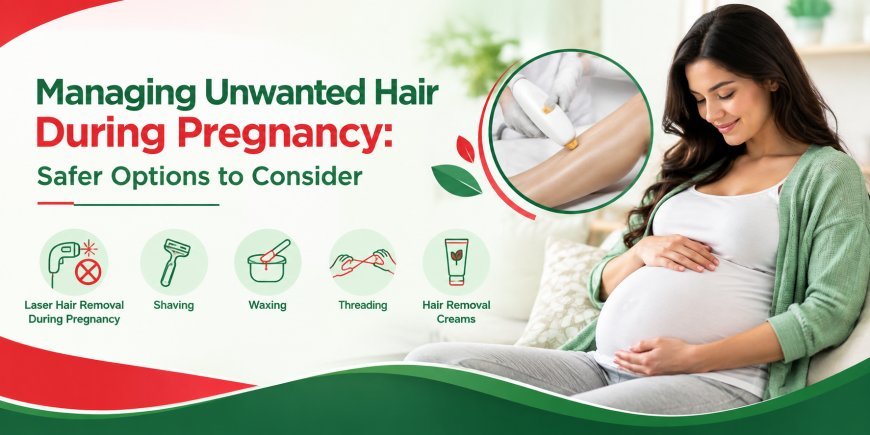
The body undergoes numerous changes during pregnancy, such as altered hormone levels, skin sensitivity, and hair development. While some women report growth in regions where hair was previously less obvious, others discover thicker hair on their arms, legs, face, or abdomen. Personal grooming may feel different during pregnancy due to these changes, which are often transient.
During this time, choosing an appropriate hair removal technique calls for particular caution. While there are many alternatives, not all cosmetic procedures have been well investigated in expectant mothers. Understanding the available methods, their limitations, and the importance of medical guidance can help expectant mothers make informed decisions.
Why Does Hair Growth Change During Pregnancy?
Hormonal fluctuations, particularly changes in estrogen and other hormones, can influence the normal hair growth cycle. As a result, some women experience increased hair growth or changes in hair thickness and texture. Others may notice less hair shedding during pregnancy.
These alterations can impact various body parts and range from person to person. Following childbirth, as hormone levels progressively return to their normal patterns, hair growth may likewise alter once more.
Pregnancy-related hair growth frequently doesn't need medical attention. However, you should speak with a healthcare provider if you have sudden or excessive hair growth along with other strange symptoms.
Is Laser Hair Removal During Pregnancy Recommended?
Laser hair removal uses concentrated light energy to target pigment in hair follicles and reduce future hair growth. Although the procedure is widely used outside pregnancy, there is insufficient pregnancy-specific research to establish its safety for elective cosmetic hair removal.
The available evidence does not establish that laser hair removal causes harm to an unborn baby. However, a lack of confirmed harm is not the same as proof of safety. For this reason, many dermatology professionals recommend postponing laser hair removal during pregnancy until after delivery.
There is another consideration: hormonal changes can make treatment results less predictable. Hair may continue growing despite treatment, and the number of sessions required may change. Pregnancy can also increase skin sensitivity or affect pigmentation, potentially making cosmetic treatments less comfortable or predictable.
Because hair removal is generally elective, delaying treatment is usually the more cautious approach. Anyone considering a procedure for a medical rather than cosmetic reason should discuss the potential benefits and risks with their obstetrician and a qualified dermatologist.
Safer Hair Removal Options to Consider
Several temporary hair removal methods may be suitable during pregnancy. The best choice depends on skin sensitivity, the body area being treated, personal comfort, and any existing skin conditions.
1. Shaving
Shaving is a practical option because it removes hair at the skin's surface without targeting the hair follicle. It does not require exposure to laser energy or hair removal chemicals.
Use a clean, sharp razor and a gentle shaving gel to reduce friction. Shave carefully, especially around areas that are difficult to reach as pregnancy progresses. Rinse the skin and apply a mild, fragrance-free moisturizer if needed.
2. Waxing
Compared to shaving, waxing can leave skin smoother for a longer period of time by removing hair from its roots. Although hormonal changes might make skin more sensitive and waxing more unpleasant, it is typically regarded as an option during pregnancy.
Before applying warm wax, check its temperature; do not wax skin that is irritable, damaged, or inflamed. Before beginning therapy, consult a physician if you have varicose veins, severe skin irritation, or a history of negative responses.
3. Threading
Threading uses twisted cotton thread to remove individual hairs. It can be useful for shaping eyebrows or removing small amounts of facial hair without applying chemical products.
Choose a trained practitioner who follows appropriate hygiene practices. If your skin becomes irritated easily, discuss your concerns before the procedure and avoid threading over inflamed areas.
4. Hair Removal Creams
Depilatory creams dissolve the hair shaft near the skin's surface. Some products may be used during pregnancy when applied according to their instructions, but pregnancy-specific safety evidence is limited.
Before using a cream, review its ingredients and consult your healthcare professional if you are uncertain about its suitability. Perform a patch test according to the product directions, use it only on the recommended body areas, and never apply it to broken or irritated skin. Stop immediately if burning, swelling, or significant irritation develops.
Should You Use At-Home Laser Hair Removal Devices?
At-home laser and intense pulsed light (IPL) devices may appear convenient, but they raise the same basic concern as professional cosmetic treatments: pregnancy-specific safety information is inadequate. Do not assume that a lower-powered device is automatically safe during pregnancy.
Read the manufacturer's pregnancy warnings and consult your obstetrician before using any light-based hair removal device. The cautious option is to pause these treatments and use a temporary method instead.
When Can You Resume Laser Hair Removal After Pregnancy?
There is no single, universally established postpartum date for restarting laser hair removal. The appropriate timing may depend on your recovery, skin condition, breastfeeding status, and the treatment area.
After delivery, consult a qualified dermatologist or laser treatment provider before scheduling a session. Mention any changes in pigmentation, skin sensitivity, medications, or breastfeeding. If you are breastfeeding, ask whether the proposed treatment and any products used alongside it are appropriate for your circumstances.
Pregnancy-related hair changes may gradually settle after childbirth, so waiting can also help you assess whether treatment is still necessary.
Making an Informed Choice About Hair Removal
Personal grooming during pregnancy does not need to be complicated. Temporary methods such as shaving, threading, and carefully performed waxing can offer practical alternatives while you postpone elective laser procedures. Product ingredients and individual skin conditions still matter, so seek professional advice whenever you are unsure.
For general questions about cosmetic treatments, patients can also discuss their concerns with healthcare providers at Apex Urgent Care Clinic and seek guidance on whether a consultation with an obstetrician or dermatologist is appropriate.
Ultimately, the goal is to choose an approach that prioritizes maternal comfort, avoids unnecessary exposure to inadequately studied procedures, and allows time for pregnancy-related changes to settle before making long-term hair removal decisions.
What's Your Reaction?
 Like
0
Like
0
 Dislike
0
Dislike
0
 Love
0
Love
0
 Funny
0
Funny
0
 Angry
0
Angry
0
 Sad
0
Sad
0
 Wow
0
Wow
0