






















Medicine Instant Delivery: Managing Generic Diabetes Medicine Orders Responsibly
Consumers exploring a generic medicine for diabetes should confirm that the product matches the prescription and seek advice before any substitution

Introduction
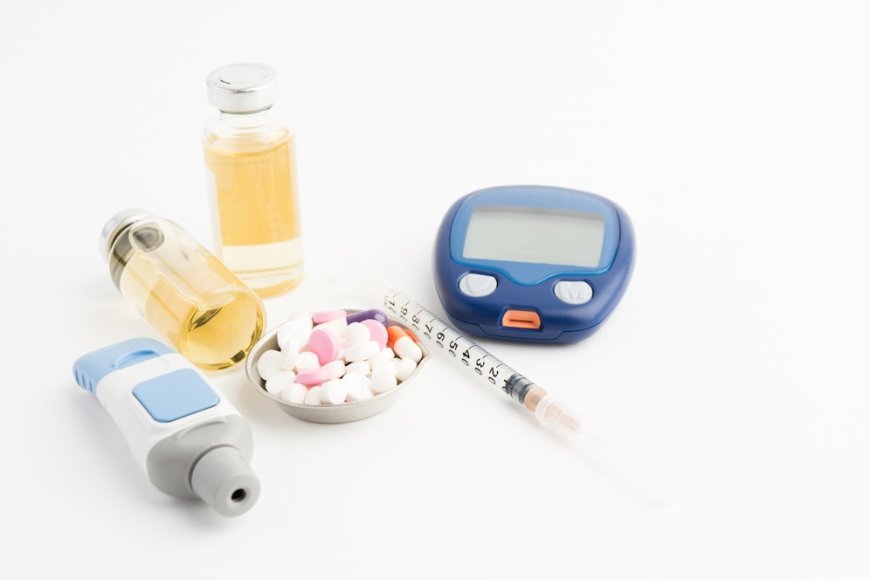
People managing diabetes may depend on regular access to prescribed medicines, monitoring supplies and pharmacy support. A medicine instant delivery option may appear attractive when a supply is running low, but speed should never take priority over correct dispensing and product verification. Consumers exploring a generic medicine for diabetes should confirm that the product matches the prescription and seek advice before any substitution. Online delivery can support convenience, but it cannot replace a clinician’s decisions about treatment or monitoring.
What does instant medicine delivery mean?
Instant or rapid delivery generally refers to a service that aims to bring an order to the customer within a shorter time window than standard delivery. The actual availability can depend on the medicine, stock, prescription review, pharmacy operating hours, distance and local delivery arrangements. Not every medicine or address will qualify for the same delivery speed.
Customers should check the estimated delivery time shown at checkout and understand that it may change if a prescription needs clarification or a product is unavailable. A rapid-delivery label is not a guarantee that a medicine can be dispensed without the required checks. For an urgent medical need, contact a healthcare professional rather than relying only on an app estimate.
-
Check location coverage and actual delivery estimates.
-
Allow time for prescription verification.
-
Contact a clinician if a medicine is urgently needed and unavailable.
Understanding generic medicine for diabetes
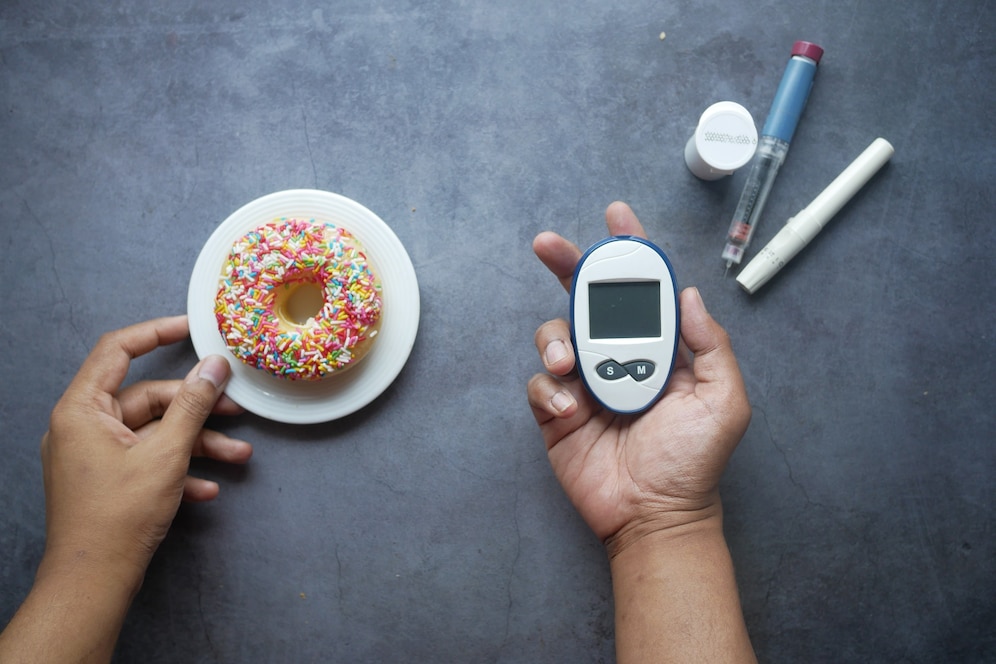
A generic medicine is generally identified by its active ingredient rather than a particular brand name. Generic products are subject to applicable quality and regulatory requirements, but a patient should still confirm the exact ingredient, strength, dosage form and pack details. Diabetes treatment may involve single-ingredient medicines or combinations, and different formulations should not be assumed interchangeable.
A generic medicine for diabetes should be considered only in relation to the current prescription. The pharmacist can confirm product details and explain whether a proposed alternative is appropriate to dispense. The treating doctor should be consulted if a substitution could affect the treatment plan, monitoring or other medicines being taken.
-
Read the active ingredient and strength carefully.
-
Check whether the product is a combination or modified-release formulation.
-
Confirm substitutions with a pharmacist or prescriber.
Why patients should not select medicines by price alone
Medicine prices can vary by manufacturer, pack size, formulation and pharmacy. A lower price may relate to a different quantity or product specification, so consumers should compare equivalent items. For prescription medicines, clinical suitability and accurate dispensing matter more than finding the lowest displayed amount.
Patients should also consider pharmacy support, product traceability, invoice availability and delivery reliability. A website that offers a very low price but does not provide clear business details or prescription safeguards may not be a suitable source. If a medicine is not available, the safest next step is to contact the pharmacist or prescribing clinician.
-
Compare the same ingredient, strength, form and quantity.
-
Review the final amount including delivery fees.
-
Check pharmacy credentials and customer support.
What to check before placing an online order
Before checkout, compare the product listing with the prescription. Check the medicine name, active ingredient, strength, dosage form, pack quantity and manufacturer information. Confirm whether the medicine requires a prescription and follow the platform’s process. If the details are incomplete or inconsistent, do not proceed until the pharmacy has clarified them.
Review the delivery estimate, service coverage, payment details and process for reporting an incorrect or damaged order. Keep the invoice and order reference. If the medicine is needed on a regular basis, plan repeat orders before the current supply runs out, while ensuring that the prescription remains valid.
-
Match the product to the prescription.
-
Check delivery availability and expected timing.
-
Keep order details and invoice for reference.

Receiving and storing diabetes medicines
When the package arrives, inspect the outer seal and confirm the medicine details. Check batch and expiry information, and make sure the product has not been damaged. Follow the storage instructions on the packaging and patient information leaflet. If the delivery appears delayed or exposed to conditions that may affect the product, ask a pharmacist before using it.
Keep medicines in their original labelled packaging and store them safely away from children. Do not transfer tablets into unlabelled containers or mix different medicines. If the product supplied differs from the order, contact the pharmacy and do not assume that a similar-looking pack is the correct replacement.
-
Check product name, strength, batch and expiry.
-
Follow product-specific storage instructions.
-
Report discrepancies before use.
Planning ongoing diabetes medicine access
Patients can make repeat ordering more manageable by maintaining an up-to-date list of medicines, tracking remaining supply and noting prescription renewal dates. Caregivers should confirm the current prescription and the patient’s preferences before arranging orders. A consistent pharmacy may make it easier to clarify product and order history, although customers should continue checking each delivery.
Diabetes treatment may be reviewed or changed over time. Patients should attend recommended appointments and follow the monitoring plan provided by their healthcare team. They should not ration medicines, change doses or substitute products because of delivery delays without professional guidance. A pharmacy can help with supply questions, while the clinician guides treatment.
-
Maintain a current medicine list and prescription.
-
Order with enough time for review and delivery.
-
Discuss treatment changes with the healthcare team.
A few practical questions can help patients assess a rapid delivery service. Does the pharmacy confirm the prescription before dispatch? Can the customer contact a pharmacist if the product or strength is unclear? Is there a way to report a damaged package or a delivery that does not arrive within the stated window? These details matter more than a broad promise of speed. Patients should also keep a record of the medicine supplied, including the manufacturer and pack details, so that questions can be discussed with the pharmacist at a later review. If the doctor changes the treatment, the old repeat-order details should not be used automatically. The next purchase must reflect the current prescription.
Conclusion
Medicine instant delivery may help reduce the effort involved in obtaining a prescribed product, but rapid service must still include appropriate pharmacy checks. A generic medicine for diabetes should match the prescription and be reviewed by a pharmacist or prescriber before substitution. Medkart customers should verify delivery estimates, product details and storage instructions, and should never change diabetes treatment solely to meet price or availability constraints.
What's Your Reaction?
 Like
0
 Dislike
0
 Love
0
 Funny
0
 Angry
0
 Sad
0
 Wow
0