






















Reading Ingredient Labels Without Making Assumptions
Reading Ingredient Labels Without Making Assumptions

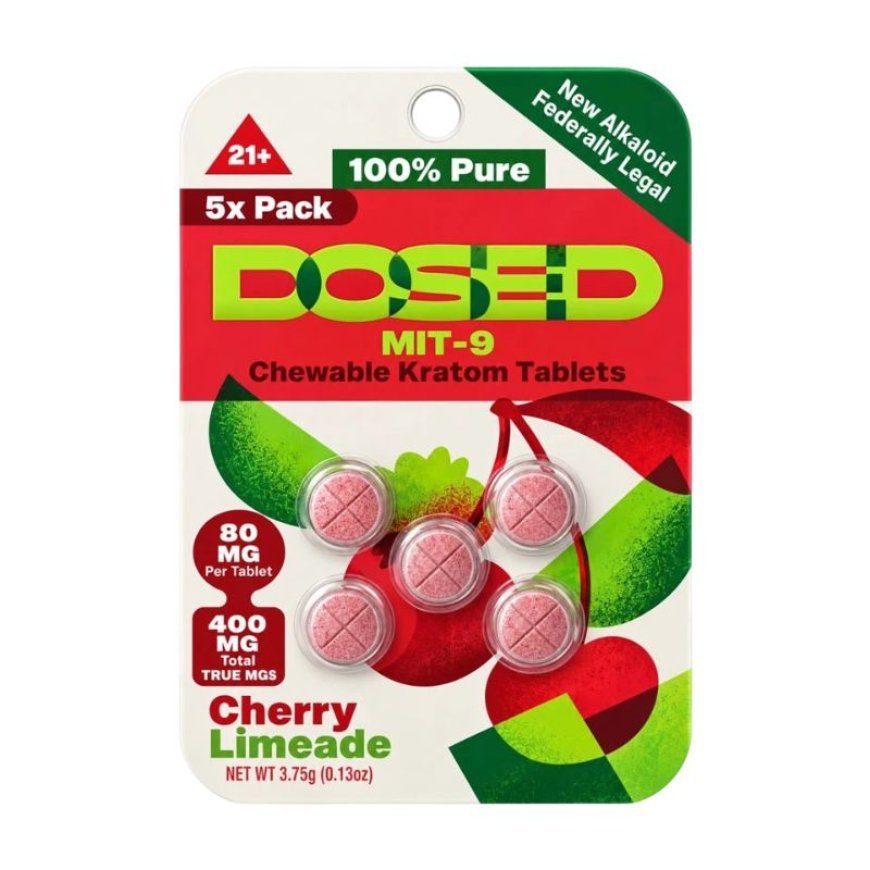
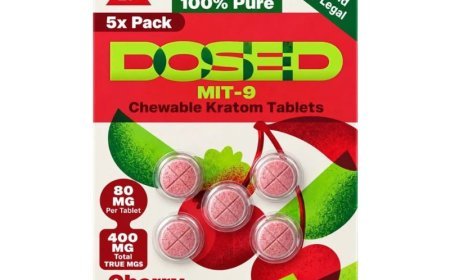
Reading an ingredient label seems like a simple task until a product contains unfamiliar botanical terminology, abbreviated names, proprietary blends, or numbers that are difficult to interpret. A person may recognize one ingredient but still have questions about the overall formulation. Sometimes the label provides enough information to understand the product, while other times it leaves important details unclear.The challenge is mit‑9 tablets not simply finding an ingredient name. It is understanding what the label actually states, what the information means, and what cannot be established from the available details. This approach is especially useful when reviewing botanical products with complex descriptions.
Why Ingredient Labels Require Careful Reading
An ingredient label is intended to communicate information about a product's composition. However, the level of detail may vary considerably between products. Some labels list individual ingredients, while others use collective terms, proprietary names, or formulation descriptions.
Familiar Names Can Create False Confidence
Recognizing a botanical name does not necessarily mean a reader understands the complete formulation. A product may contain several components, and the ingredient that receives the most attention in its description may not represent everything included in the product.Readers sometimes focus on one familiar term and overlook the rest of the ingredient statement. That can lead to assumptions about composition that are not supported by the actual label.
Abbreviations Can Hide Important Differences
Abbreviations are commonly used in technical and commercial descriptions because they save space and make terminology easier to repeat. However, an abbreviation may have different meanings in different contexts.When an unfamiliar abbreviation appears on a label, it is worth checking whether the manufacturer provides a full name or explanation. Readers should not assume that an abbreviation represents a specific chemical simply because it appears in discussions about similar products.
Start With the Complete Ingredient Statement
The complete ingredient statement is a useful starting point because it provides information that may not appear in the product name or front packaging.
Identify Every Declared Ingredient
Rather than focusing on the first ingredient mentioned in a description, read the entire ingredient statement. This may reveal additional botanical materials, carriers, excipients, or other components.Some ingredients may serve a different purpose from the substances highlighted in the product description. Understanding their presence can help readers interpret the label more accurately.
Look for Collective Ingredient Names
A label may refer to a blend or proprietary formula rather than individually identifying every component. A collective name can identify a formulation, but it may not provide enough information to determine the exact composition.If the label does not disclose the individual components, readers should not attempt to reconstruct the formula from product naming conventions or online speculation.
Check Whether the Description Matches the Label
Product descriptions sometimes use shortened terminology that differs from the wording on the physical package. Differences may result from abbreviations, simplified language, updated packaging, or changes in product information.If the description and physical label do not match, the discrepancy should be acknowledged. Readers should avoid deciding that one version is correct without reliable clarification from the manufacturer.
Understanding Amounts and Measurement Units
Numbers on ingredient labels are among the most easily misunderstood details. A milligram value may appear precise, but its meaning depends on what is being measured.
Amount Per Serving Versus Amount Per Package
A product may display information for one serving and separately identify the total quantity in the package. These values should not be confused.For example, a label might describe the total material in a package containing multiple units. That information is different from the amount associated with an individual unit or a specific ingredient.Readers should check the wording next to each number instead of assuming that every displayed amount refers to the same measurement.
Total Blend Weight Versus Individual Ingredient Weight
A total blend weight may represent several ingredients combined. It does not necessarily indicate the amount of one individual component.If the label identifies a blend but does not provide individual amounts, it may not be possible to determine the quantity of each ingredient. This limitation should not be resolved through guesswork.
Units Need Context
Different units may be used to describe weight, volume, concentration, or quantity. A number without a clearly identified unit or reference can be difficult to interpret.When comparing labels, readers should confirm that the units are consistent and that the measurements refer to the same category of information.
What Are Proprietary Blends?
A proprietary blend is a formulation presented under a collective name. Depending on the labeling approach and applicable requirements, the individual components may not all be disclosed in the same level of detail.
Why a Manufacturer Might Use a Blend Name
A blend name can help identify a formulation or distinguish it from other products. It may also be part of the manufacturer's product naming system.However, the blend name alone does not tell the reader which individual substances are present or their respective quantities. It is important to separate the manufacturer's description from information that can be independently verified.
Questions That a Blend Name Cannot Answer
A blend name alone cannot establish:
-
The complete identity of every ingredient
-
The quantity of each individual component
-
Whether the formulation has changed
-
Whether the product is chemically identical to another similarly named blend
-
Whether every component has been included in laboratory testing
These questions require additional documentation. If that documentation is unavailable, the reader should recognize that the formulation cannot be fully evaluated from the blend name alone.
Distinguishing Botanical Materials From Identified Compounds
Botanical terminology and chemical terminology are related, but they describe different kinds of information.
Botanical Identification
Botanical identification refers to a plant and its classification. It may include a scientific name, common name, plant part, or description of the botanical material.Knowing the plant name does not necessarily identify every chemical constituent present in a particular product. Botanical materials can contain multiple naturally occurring substances, and their composition may depend on the material and processing.
Chemical Identification
Chemical identification refers to a particular substance. A specific compound has a defined chemical identity, although a label's use of a chemical name does not independently verify that the substance is present in the stated amount.Laboratory testing may help verify chemical identity or quantities, depending on the analytical method and the report's scope.
Why the Difference Matters
A botanical description may tell readers where a material originates. A chemical description may identify a substance within that material or formulation. Neither type of information should automatically be treated as a complete description of the entire product.This distinction is particularly relevant when labels combine botanical terms with metabolite terminology, commercial abbreviations, or proprietary formulation names.
Recognizing Information That Is Missing
A label can contain several useful details and still leave unanswered questions. Recognizing missing information is part of responsible label interpretation.
Missing Ingredient Quantities
If individual ingredient quantities are not disclosed, readers may not be able to establish how much of each component is present.
Missing Testing Details
A label may mention testing or quality control without identifying the analytical methods, substances tested, or results. Such statements do not provide the same level of detail as a laboratory report.
Missing Batch Identification
Without a batch or lot number, it may be difficult to connect a document to a particular product sample. This can limit the usefulness of testing information when evaluating a specific package.
Missing Manufacturer Clarification
If the label uses an unclear abbreviation or formulation name, a manufacturer explanation may be needed. Readers should not substitute assumptions for missing details.
Using Laboratory Reports Alongside Ingredient Labels
Laboratory reports may provide analytical details that are not included on packaging. They should be considered alongside the ingredient statement rather than used as a replacement for it.
What a Laboratory Report Can Show
Depending on the method and scope, a report may identify:
-
The sample received by the laboratory
-
The testing method
-
The substances included in the analysis
-
Measured results
-
Reporting limits
-
Sample identification or batch details
-
The date the analysis was performed
These details can help readers understand what was evaluated.
What a Laboratory Report Cannot Automatically Establish
A report should not be interpreted as a complete guarantee of product safety or composition. A test may cover only certain compounds, particular contaminants, or a specific sample.Readers should avoid extending laboratory conclusions beyond the substances and methods identified in the report. If a report does not test for a particular ingredient, it cannot be used to verify that ingredient's amount or presence.
Conclusion
Ingredient labels are useful sources of information, but their value depends on how carefully they are interpreted. Familiar terminology, abbreviations, numbers, and blend names can create a false impression of certainty when their context is overlooked.
A careful reader considers the complete ingredient statement, understands the difference between total amounts and individual ingredients, recognizes the limitations of proprietary blends, and reviews relevant testing documentation. This makes it easier to distinguish verified information from descriptions, assumptions, and unanswered questions.
Frequently Asked Questions
1. Does an ingredient name explain the entire formulation?
No. A product may contain several ingredients, and the name of one component does not describe the complete formulation.
2. What is the difference between a proprietary blend and an individual ingredient?
An individual ingredient identifies a specific component, while a proprietary blend refers to a formulation containing components grouped under a collective name.
3. Does a milligram value always represent one ingredient?
No. It may refer to an individual ingredient, a complete blend, a serving, or another quantity specified by the label.
4. Why should I check the physical label?
The physical label provides product specific information and may differ from older website descriptions, archived images, or informal discussions.
5. What should I do when a label is unclear?
Identify exactly which information is missing and seek clarification from the manufacturer or relevant documentation rather than assuming the meaning.
What's Your Reaction?
 Like
0
 Dislike
0
 Love
0
 Funny
0
 Angry
0
 Sad
0
 Wow
0