
























All You Need to Know About Thyroid Disease: Symptoms, Causes and Treatment

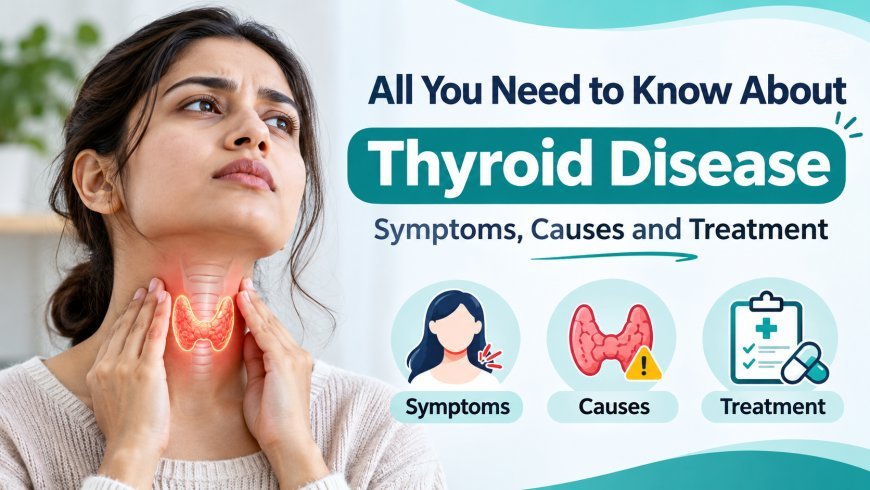
The thyroid gland is a small but essential organ that plays a significant role in regulating metabolism, energy levels, body temperature and several other bodily functions. When this gland produces too much or too little thyroid hormone, it can lead to various health complications.
Thyroid disease can affect individuals of all ages, although certain thyroid disorders are more common in women. Symptoms such as unexplained weight changes, persistent fatigue, hair loss and mood changes are often overlooked or mistaken for other health concerns.
Understanding thyroid disease, recognizing its early warning signs and seeking timely medical attention can help individuals manage their condition effectively.
At MedFirst Pharmacy, we encourage individuals to prioritize regular health checkups, responsible medication use and healthy lifestyle habits to support their overall well-being.
Key Takeaways
-
Thyroid disease occurs when the thyroid gland does not function normally.
-
Hypothyroidism and hyperthyroidism are two common thyroid disorders.
-
Fatigue, unexplained weight changes, hair loss and irregular heartbeats may indicate thyroid problems.
-
Thyroid function tests help healthcare professionals diagnose thyroid disorders.
-
Appropriate treatment and regular medical monitoring can help manage thyroid disease.
-
A balanced diet and healthy lifestyle can complement medical treatment.
What Is Thyroid Disease?
Thyroid disease is a general term used to describe medical conditions that affect the structure or function of the thyroid gland.
Located at the front of the neck, the thyroid is a butterfly-shaped gland that produces hormones responsible for regulating several essential bodily processes.
The two primary thyroid hormones are:
-
Triiodothyronine (T3): Helps regulate metabolism and various cellular functions.
-
Thyroxine (T4): Helps regulate energy expenditure, growth and metabolic activity.
The pituitary gland produces thyroid-stimulating hormone (TSH), which helps regulate thyroid hormone production.
When this hormonal balance is disrupted, individuals may develop symptoms that affect their physical health, emotional well-being and everyday activities.
What Are the Different Types of Thyroid Disease?
Thyroid disorders can develop for various reasons. Understanding the different types of thyroid disease can help individuals recognize potential health concerns.
1. Hypothyroidism (Underactive Thyroid)
Hypothyroidism occurs when the thyroid gland produces insufficient thyroid hormones. This can slow down the body's metabolic processes and affect several bodily functions.
Common symptoms of hypothyroidism include:
-
Persistent fatigue and weakness
-
Unexplained weight gain
-
Increased sensitivity to cold
-
Dry skin and thinning hair
-
Constipation
-
Muscle weakness
-
Difficulty concentrating
-
Irregular or heavy menstrual periods
Hashimoto's thyroiditis, an autoimmune condition, is a common cause of hypothyroidism.
2. Hyperthyroidism (Overactive Thyroid)
Hyperthyroidism develops when the thyroid gland produces excessive thyroid hormones. This can accelerate the body's metabolism and cause various physical and emotional symptoms.
Common symptoms of hyperthyroidism include:
-
Unexplained weight loss
-
Rapid or irregular heartbeat
-
Excessive sweating
-
Increased sensitivity to heat
-
Anxiety and irritability
-
Trembling hands
-
Difficulty sleeping
-
Frequent bowel movements
Graves' disease is a common autoimmune cause of hyperthyroidism.
3. Goitre
Goitre refers to an abnormal enlargement of the thyroid gland. It may develop due to iodine deficiency, autoimmune thyroid disorders or other thyroid-related conditions.
Some individuals with goitre may experience visible swelling around the neck, difficulty swallowing or a feeling of pressure in the throat.
A goitre can occur with normal, excessive or insufficient thyroid hormone production.
4. Thyroid Nodules
Thyroid nodules are solid or fluid-filled lumps that develop within the thyroid gland.
Most thyroid nodules are non-cancerous and may not cause noticeable symptoms. However, some nodules may affect hormone production or require further medical evaluation.
Any unexplained swelling or lump around the neck should be examined by a healthcare professional.
5. Thyroiditis
Thyroiditis refers to inflammation of the thyroid gland. It may develop due to autoimmune conditions, infections, certain medications or changes following pregnancy.
Depending on the underlying cause, thyroiditis may temporarily or permanently affect thyroid hormone production.
6. Thyroid Cancer
Thyroid cancer occurs when abnormal cells grow uncontrollably within the thyroid gland.
Although most thyroid nodules are benign, persistent neck swelling, unexplained voice changes or difficulty swallowing should not be ignored.
Early medical evaluation can help determine the underlying cause and appropriate treatment.
What Are the Common Symptoms of Thyroid Disease?
Thyroid disease symptoms vary depending on whether the thyroid gland is underactive, overactive or affected by structural abnormalities.
Some common warning signs include:
-
Persistent tiredness despite adequate rest
-
Sudden or unexplained weight changes
-
Hair thinning or excessive hair loss
-
Changes in appetite
-
Increased sensitivity to heat or cold
-
Irregular menstrual cycles
-
Muscle pain or weakness
-
Changes in heart rate
-
Anxiety, irritability or low mood
-
Swelling around the neck
-
Difficulty sleeping
-
Changes in bowel movements
These symptoms may also occur due to other medical conditions. Therefore, experiencing one or more of these symptoms does not necessarily mean you have thyroid disease.
Consult a qualified healthcare professional for an accurate diagnosis.
What Causes Thyroid Disease?
Thyroid disorders may develop due to a combination of genetic, autoimmune, nutritional and medical factors.
Autoimmune Disorders
Autoimmune conditions occur when the immune system mistakenly attacks the body's own tissues.
Hashimoto's thyroiditis can damage the thyroid gland and reduce hormone production, while Graves' disease can stimulate excessive thyroid hormone production.
Iodine Imbalance
Iodine is an essential mineral required for thyroid hormone production. Both insufficient and excessive iodine intake can contribute to thyroid dysfunction in susceptible individuals.
Using iodized salt in appropriate amounts can help meet normal iodine requirements. However, iodine supplements should not be taken without medical guidance.
Genetic Factors
Individuals with a family history of thyroid disease may have a higher risk of developing certain thyroid disorders.
Inform your doctor about any family history of thyroid conditions or autoimmune diseases during medical consultations.
Hormonal Changes
Pregnancy and the postpartum period can influence thyroid function. Some women may develop thyroid-related complications during or after pregnancy.
Appropriate thyroid monitoring is particularly important for pregnant women with existing thyroid disorders or relevant risk factors.
Certain Medications and Medical Treatments
Some medications, including lithium and amiodarone, may affect thyroid function. Radiation therapy involving the neck and certain thyroid surgeries may also influence hormone production.
Never discontinue prescribed medication without consulting your healthcare provider.
Who Is at Higher Risk of Developing Thyroid Disease?
Although thyroid disease can affect anyone, certain individuals may have an increased risk.
Common risk factors include:
-
Being female
-
Increasing age
-
Family history of thyroid disorders
-
Existing autoimmune diseases
-
Previous thyroid surgery
-
History of radiation treatment around the neck
-
Pregnancy and the postpartum period
-
Use of medications that affect thyroid function
Individuals with relevant risk factors should discuss appropriate thyroid monitoring with their healthcare professionals.
How Is Thyroid Disease Diagnosed?
Diagnosing thyroid disease generally involves evaluating symptoms, reviewing medical history and conducting appropriate diagnostic tests.
Thyroid-Stimulating Hormone (TSH) Test
A TSH test measures the amount of thyroid-stimulating hormone in the blood. It is commonly used as an initial test to evaluate thyroid function.
Abnormal TSH levels may indicate an underactive or overactive thyroid, although additional tests may be required for confirmation.
T3 and T4 Tests
These blood tests measure thyroid hormone levels and help healthcare professionals understand how effectively the thyroid gland is functioning.
Free T4 and, in certain situations, T3 measurements can provide additional information about thyroid abnormalities.
Thyroid Antibody Tests
Thyroid antibody tests can help identify autoimmune thyroid conditions such as Hashimoto's thyroiditis and Graves' disease.
Thyroid Ultrasound
An ultrasound provides images of the thyroid gland and helps identify nodules, enlargement or structural abnormalities.
Fine Needle Aspiration Biopsy
When a thyroid nodule has certain suspicious characteristics, a doctor may recommend a fine needle aspiration biopsy to examine thyroid cells and determine whether further treatment is necessary.
Not everyone needs all these tests. Your healthcare professional will recommend appropriate investigations based on your symptoms and medical history.
What Are the Available Treatment Options for Thyroid Disease?
Thyroid disease treatment depends on the type of disorder, its severity, underlying cause and the patient's overall health.
Treatment for Hypothyroidism
Hypothyroidism is commonly treated with levothyroxine, a synthetic form of the T4 hormone.
This medication helps replace insufficient thyroid hormones and restore appropriate hormone levels.
Patients taking thyroid replacement medicines should follow prescribed dosage instructions and undergo regular thyroid function tests as recommended by their doctors.
Treatment for Hyperthyroidism
Treatment options for hyperthyroidism may include antithyroid medications, radioactive iodine therapy or surgical treatment.
Doctors may also prescribe medicines to manage symptoms such as rapid heartbeat and tremors.
The most suitable treatment depends on the underlying cause, age, medical history and individual circumstances.
Treatment for Thyroid Nodules and Goitre
Some thyroid nodules and goitres may only require periodic monitoring, while others may require medication, further diagnostic evaluation or surgery.
Treatment decisions depend on thyroid function, the size of the enlargement and whether it causes pressure symptoms or shows concerning features.
How to Take Thyroid Medicines Safely
Correct medication use is essential for managing thyroid disorders effectively.
If you have been prescribed levothyroxine or another thyroid medicine, consider the following precautions:
-
Take your medication according to your doctor's prescription.
-
Maintain a consistent medication schedule.
-
Do not change your dosage without medical advice.
-
Levothyroxine is typically taken on an empty stomach, 30–60 minutes before breakfast.
-
Separate calcium and iron supplements from levothyroxine by at least four hours unless otherwise directed.
-
Inform your doctor about other medications and supplements you use.
-
Follow your recommended thyroid function testing schedule.
-
Check medicine expiry dates and storage instructions.
If you are searching for a reliable pharmacy in Noida to purchase your prescribed thyroid medicines, MedFirst Pharmacy can support your everyday medication requirements.
Prescription medicines should always be purchased and used according to appropriate medical advice.
What Foods Can Support Thyroid Health?
A balanced and nutritious diet can support overall health and provide nutrients required for normal thyroid function.
Consider including the following foods in your diet:
-
Fresh fruits and seasonal vegetables
-
Whole grains and cereals
-
Pulses and legumes
-
Eggs and appropriate dairy products
-
Nuts and seeds
-
Fish and other suitable protein sources
-
Iodized salt in recommended amounts
Nutrients such as iodine, selenium, zinc and iron contribute to normal physiological functions, including thyroid hormone metabolism.
However, consuming excessive amounts of certain nutrients, particularly iodine and selenium, can be harmful.
There is no specific diet that can cure thyroid disease. Individuals with diagnosed thyroid disorders should follow personalized dietary recommendations from qualified healthcare professionals.
Lifestyle Tips for Managing Thyroid Disease
Healthy lifestyle habits can complement medical treatment and support overall well-being.
Maintain a Regular Exercise Routine
Activities such as walking, stretching and yoga can support cardiovascular health, muscle strength and emotional well-being.
Choose activities appropriate for your health condition. Individuals with uncontrolled hyperthyroidism or significant heart-related symptoms should consult their doctors before undertaking strenuous exercise.
Prioritize Quality Sleep
Maintaining a consistent sleep schedule can help support physical recovery, concentration and emotional balance.
Manage Everyday Stress
Practice relaxation techniques such as meditation, breathing exercises or enjoyable recreational activities to support mental well-being.
Maintain a Healthy Body Weight
Thyroid disorders can influence metabolism and body weight. A balanced diet, appropriate physical activity and effective medical treatment can support healthy weight management.
Schedule Regular Health Checkups
Regular thyroid function tests help healthcare professionals evaluate treatment effectiveness and determine whether medication adjustments are necessary.
Avoid Unverified Thyroid Supplements
Products marketed as natural thyroid boosters may contain excessive iodine, undeclared hormones or ingredients that interfere with prescribed medications.
Always consult your doctor before using supplements intended to improve thyroid function.
Can Thyroid Disease Be Prevented?
Not all thyroid disorders can be prevented, particularly those associated with autoimmune conditions or genetic factors.
However, certain preventive healthcare practices may help support thyroid health and identify potential problems early.
These include maintaining adequate dietary iodine intake, avoiding unnecessary supplements, attending recommended medical checkups and discussing any family history of thyroid disease with your doctor.
Early recognition of thyroid-related symptoms can also support timely diagnosis and appropriate management.
When Should You Consult a Doctor for Thyroid Problems?
You should consider seeking medical advice if you experience persistent symptoms such as unexplained weight changes, excessive fatigue, irregular heartbeats, hair loss or swelling around the neck.
Women who are pregnant or planning pregnancy and have a history of thyroid disorders should discuss their thyroid health with a healthcare professional.
Seek immediate medical attention if you experience severe breathing difficulties, chest pain, fainting, confusion or a very rapid heartbeat.
Timely medical evaluation is important because untreated thyroid disorders may contribute to cardiovascular complications, reproductive health problems, bone health concerns and other medical issues.
How MedFirst Pharmacy Supports Your Thyroid Healthcare Journey
Managing thyroid disease often requires long-term medication adherence, regular medical consultations and consistent lifestyle habits.
At MedFirst Pharmacy, we understand the importance of convenient access to prescribed medications and everyday healthcare essentials.
Whether you are searching for a trusted pharmacy in Greater Noida, a reliable pharmacy in Noida or a convenient pharmacy near you, MedFirst Pharmacy aims to support your healthcare and wellness requirements.
You can explore a range of healthcare products, including:
-
Prescribed thyroid medications
-
Doctor-recommended nutritional supplements
-
Health monitoring devices
-
Personal care and hygiene products
-
Everyday healthcare essentials
-
First-aid products
-
General health and wellness products
With multiple pharmacy locations across Noida and Greater Noida, MedFirst Pharmacy aims to make essential healthcare products more accessible to local communities.
Product availability may vary by branch.
Why Choose MedFirst Pharmacy for Your Healthcare Needs?
MedFirst Pharmacy encourages individuals and families to adopt a proactive approach to healthcare through responsible medication use, preventive care and healthy lifestyle choices.
From purchasing prescribed thyroid medicines to finding everyday wellness products, MedFirst Pharmacy supports a variety of healthcare requirements.
Customers can benefit from access to trusted healthcare brands, a wide range of healthcare essentials and convenient pharmacy locations across Noida and Greater Noida.
Visit your nearest MedFirst Pharmacy branch for your prescribed medicines and everyday healthcare needs.
Conclusion
Thyroid disease is a common health concern that can affect metabolism, energy levels, body weight and overall quality of life. Understanding the symptoms, causes and different types of thyroid disorders can help individuals recognize potential warning signs and seek timely medical attention.
Although not all thyroid conditions can be prevented, early diagnosis, appropriate treatment, regular health monitoring and balanced lifestyle habits can help individuals manage their condition effectively.
Avoid self-medication, follow your doctor's recommendations and prioritize regular thyroid health assessments when advised.
Take another step towards better health with MedFirst Pharmacy, your destination for prescribed medicines, healthcare essentials and wellness products in Noida and Greater Noida.
Stay informed, prioritize your thyroid health and make everyday wellness a lifelong commitment.
Frequently Asked Questions (FAQs)
1. What are the early warning signs of thyroid disease?
Early warning signs may include persistent fatigue, unexplained weight changes, hair thinning, mood changes, irregular menstrual cycles and increased sensitivity to heat or cold.
2. What is the difference between hypothyroidism and hyperthyroidism?
Hypothyroidism occurs when the thyroid gland produces insufficient thyroid hormones, while hyperthyroidism occurs when it produces excessive thyroid hormones. Both conditions can affect metabolism and other bodily functions.
3. Can thyroid disease cause hair loss?
Yes, both hypothyroidism and hyperthyroidism can contribute to hair thinning or hair loss. However, other medical and nutritional factors may also cause hair loss.
4. Can thyroid disease be cured permanently?
Some thyroid disorders may resolve with appropriate treatment, while others require lifelong medication and medical monitoring. The outcome depends on the underlying cause and type of thyroid disorder.
5. Is thyroid disease more common in women?
Yes, women are generally more likely to develop thyroid disorders, particularly autoimmune thyroid conditions. Pregnancy and postpartum hormonal changes may also affect thyroid function.
6. Can thyroid disease cause weight gain?
Hypothyroidism may contribute to weight gain because insufficient thyroid hormones can slow metabolic processes. However, unexplained weight gain may also result from other factors.
7. Can exercise help manage thyroid disease?
Regular physical activity can support overall health, weight management and emotional well-being. However, exercise cannot replace prescribed thyroid medications or medical treatment.
8. How often should thyroid levels be checked?
The frequency of thyroid function testing depends on the diagnosis, treatment plan, medication changes and individual medical history. Follow the testing schedule recommended by your doctor.
9. Can I stop taking thyroid medicine if my hormone levels become normal?
No. Normal thyroid hormone levels may indicate that your medication is working effectively. Never stop or change your thyroid medication without consulting your healthcare professional.
10. Where can I purchase thyroid medicines in Noida and Greater Noida?
You can visit MedFirst Pharmacy in Noida and Greater Noida to purchase prescribed thyroid medications, subject to availability, and explore other everyday healthcare products.
Medical Disclaimer: This article is intended for general health awareness and educational purposes only. It does not replace professional medical advice, diagnosis or treatment. Always consult a qualified healthcare professional regarding thyroid-related symptoms and medications.
What's Your Reaction?
 Like
0
 Dislike
0
 Love
0
 Funny
0
 Angry
0
 Sad
0
 Wow
0