
























Music Theory Lessons in Singapore: When to Start and How to Choose
What music theory lessons cover, how they link to ABRSM and other graded exams, the best age to start, and how to choose a teacher and lesson format in Singapore.
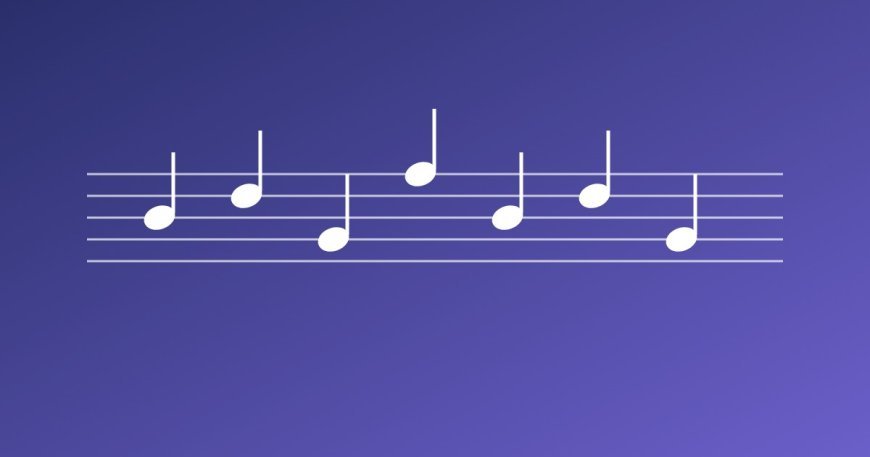
Picture a practice room on a humid Saturday. A twelve-year-old plays a Grade 6 piano piece, and it's lovely. Then the teacher asks, "What key are we in?" Silence. The fingers know the piece. The head doesn't. That's the gap theory lessons are there to close.
What music theory covers
Forget the dusty image. Theory is the rulebook behind the sound, nothing scarier. Early on it's note names and rhythm values. A few months in, you're working out why a piece has two sharps. After that come intervals, chords, cadences and key changes. By Grade 5 you can glance at a short score and say what the harmony is doing, which feels a bit like reading a map after years of following someone else's directions.
Keep an instrument close while you learn. Play a cadence, hear it settle, then find it in the printed music. That sticks. A worksheet on its own rarely does.
The exam link
Lots of students here sit graded exams with ABRSM, Trinity College London or the Royal Schools Music. ABRSM wants a Grade 5 Theory pass (or an accepted equivalent) before anyone enters practical Grades 6 to 8. So parents tend to start asking about theory right around Grade 4. Boards do revise their rules, so check the current syllabus on the official website before you pay for anything.
Exams aren't the whole story. Kids with decent theory sight-read faster. New pieces take them less time. School music papers stop being a nasty surprise.
When to start
Most children are ready somewhere between seven and ten, once reading notes no longer feels like decoding. Younger is possible if it's all play: clap this rhythm, is that sound high or low, which of these two tunes is sadder? Teenagers and adults can begin anywhere. Adults especially surprise themselves, because they ask "but why does it work like that?" and then want the real answer.
Here's a simple test. If the music in practical lessons has started to look like fog, don't wait for the next exam season.
Private, group or online
- Private: the teacher can slow down, skip ahead or double back mid-lesson. Best for exam prep, or when one topic keeps tripping your child up.
- Small group: cheaper, and a bit of peer pressure helps some kids. Steady learners do well.
- Online: no travel, a real win in a packed school week. Under-tens often drift after twenty minutes on screen, though.
Whichever you pick, aim for 30 to 45 minutes a week plus a few minutes most days. Compare that with a Sunday-night panic and you'll see why it wins.
Choosing a teacher
Qualifications count, but go further. Which grades has this person taken students through? Do they use your child's own pieces as examples? When an answer is wrong, do they explain why, or just cross it out? A school that offers music lessons in Singapore across several instruments can be handy here, since the theory teacher and the instrumental teacher can compare notes.
Take a trial lesson if one's offered. A good sign: the teacher asks what your child already knows before launching in.
Three mistakes worth avoiding
First, treating theory as a separate chore. It works best tied to the piece on the stand. Second, doing past papers too early. Cover the topics first, or the paper just becomes a list of things you can't do. Third, skipping listening. Once a week, play a recording and try to name its key, its beat, and the bar where the harmony shifts. Hard in week one. Much easier by week six.
Small habits that help
Ten minutes a day, not an hour on Sunday. Sing or play whatever you write down. Keep a notebook of mistakes; the same three or four always come back. And don't be shy about asking the teacher to explain something a third time. Theory is cumulative, so a shaky foundation shows up later.
Frequently asked questions
Do I need an instrument?
Not strictly. It does help you hear what you're writing.
How long until Grade 5 Theory?
Often a year or more of regular lessons. Some students go faster.
Is online as good as in person?
For teens and adults, often. Young children usually prefer the room.
Can an adult start from zero?
Yes. Plenty do.
Theory first or practical first?
Side by side works best. It keeps things interesting.
Where to start
Ask yourself what you want theory for. An exam? Easier sight-reading? Writing your own songs? The answer points to the right format and teacher. Then book one lesson, bring a piece you're learning, and see whether things click.
What's Your Reaction?
 Like
0
 Dislike
0
 Love
0
 Funny
0
 Angry
0
 Sad
0
 Wow
0