


























What to Consider Before Installing Custom Wood Shelving
Learn what to consider before installing custom wood shelving, from choosing materials and designs to budgeting, weight capacity, and professional installation.

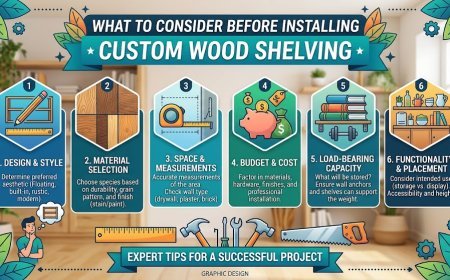
Custom wood shelving is a practical way to add storage, improve organization, and enhance the appearance of your home. Unlike standard store-bought shelves, custom shelving can be designed to fit your available space, match your interior style, and accommodate your specific storage needs. Whether you want built-in shelves for your living room, floating shelves in your kitchen, or a floor-to-ceiling bookcase for your home office, the right design can make a noticeable difference.
However, installing custom wood shelving involves more than choosing an attractive wood finish. You need to consider the available space, wood type, weight capacity, installation method, and long-term maintenance. Home improvement projects, including those handled by professionals such as Roofing Contractors Bronxville, highlight the importance of planning, selecting suitable materials, and focusing on quality workmanship before starting any project.
If you are considering adding custom wood shelves to your home, taking time to evaluate these important factors can help you avoid common mistakes and achieve a result that looks beautiful and works well for years.
1. Determine Your Storage Needs First
Before choosing a shelving design, think about what you actually want to store. Your storage requirements will influence the shelf dimensions, spacing, depth, and overall structure.
For example, shelves designed for displaying decorative accessories will have different requirements than shelves intended to hold heavy books, kitchen appliances, or storage containers.
Consider What You Plan to Store
Make a list of the items you want to organize or display. Think about their size, weight, and how frequently you will need to access them.
Some common storage purposes include:
- Books and magazines: Require shelves with sufficient depth and strong support to prevent sagging.
- Decorative accessories: May need different shelf heights to accommodate vases, artwork, and other decorative pieces.
- Kitchen essentials: Benefit from easily accessible shelves for dishes, glasses, and everyday supplies.
- Office supplies: Require practical arrangements for documents, books, and equipment.
- Collectibles: May need adjustable shelving or specialized display lighting.
Understanding your storage needs from the beginning helps you create a shelving system that serves a real purpose instead of simply filling an empty wall.
2. Measure Your Available Space Carefully
Accurate measurements are essential when installing custom wood shelving. Even a small measurement mistake can create problems during installation or leave awkward gaps between the shelves and surrounding walls.
Start by measuring the height, width, and depth of the area where you want the shelving installed. If you are planning a built-in unit, check the dimensions of the entire wall, including corners, windows, doors, and nearby furniture.
Account for Uneven Walls and Obstacles
Not every wall is perfectly straight or level. Older homes, in particular, may have uneven surfaces that affect how custom shelves fit.
Before finalizing your design, check for:
- Electrical outlets and switches.
- Heating and cooling vents.
- Baseboards and crown molding.
- Window and door frames.
- Pipes and other hidden obstructions.
- Uneven corners or sloping ceilings.
These details are easy to overlook but can significantly affect the final installation.
It is also helpful to leave enough clearance around shelves so that doors can open fully and furniture does not block access.
3. Choose the Right Type of Wood
The type of wood you choose has a major impact on the appearance, durability, strength, and cost of custom shelving. Different wood species offer different grain patterns, colors, and structural properties.
Your choice should depend on your budget, interior design preferences, and the amount of weight the shelves need to support.
Popular Wood Options for Custom Shelving
Oak: Oak is a durable hardwood with a distinctive grain pattern. It works well for traditional and contemporary interiors and is suitable for shelving that needs to support heavier items.
Maple: Maple has a relatively smooth grain and a light, clean appearance. It is a popular choice for modern interiors and painted finishes.
Walnut: Walnut offers rich, dark tones and an elegant appearance. It is often used for premium shelving and decorative built-ins.
Pine: Pine is generally more affordable and has a natural, rustic appearance. However, it is softer than many hardwoods and may dent more easily.
Plywood: Quality hardwood plywood can provide a stable and practical option for built-in shelving, especially when properly finished with solid wood edging.
Balance Appearance and Durability
A beautiful wood species is not necessarily the best choice for every project. Consider how frequently the shelves will be used and whether they will hold heavy objects.
For example, a decorative bedroom shelf may not require the same strength as a large bookcase in a home office.
Ask your carpenter about the advantages of different wood options before making your final decision.
4. Think About Weight Capacity and Shelf Support
One of the most important considerations when installing custom wood shelving is determining how much weight each shelf needs to hold.
A shelf that looks strong may still bend or sag if it is too long, too thin, or poorly supported.
Understand Shelf Thickness and Span
The longer a shelf extends without support, the greater the possibility of sagging over time. The type of wood, thickness, depth, and expected load all influence how much support is necessary.
For heavier storage needs, consider:
- Using thicker shelving materials.
- Adding concealed or decorative support brackets.
- Installing vertical dividers where appropriate.
- Anchoring shelving systems securely.
- Choosing materials designed for the expected load.
Floating shelves deserve particular attention because their supports are often hidden inside the shelf or wall. Their appearance may be simple, but their internal mounting system must be strong enough for the intended use.
Check the Wall Structure
The wall itself also matters. Drywall alone is generally not suitable for supporting heavily loaded shelves.
Whenever possible, mounting hardware should be secured into wall studs or another appropriate structural support. For masonry walls, the correct anchors and installation method are equally important.
A professional installer can help determine the safest approach for your wall type.
5. Select a Design That Matches Your Interior
Custom wood shelving gives you the flexibility to create a design that complements your home's existing style.
However, the best-looking shelving is not always the most practical. You should find a balance between appearance, accessibility, and storage capacity.
Explore Different Shelving Styles
Some popular options include:
Floating Shelves: These shelves have hidden mounting hardware, creating a clean and minimalist appearance. They work particularly well in kitchens, bathrooms, and smaller living spaces.
Built-In Shelving: Built-in units are designed to fit a specific wall or area. They can maximize storage while creating a polished, integrated appearance.
Open Shelving: Open shelves make everyday items easy to access and can help smaller rooms feel less crowded.
Corner Shelving: Corner units make use of areas that might otherwise remain unused.
Floor-to-Ceiling Bookcases: These provide substantial storage and can become an attractive focal point in living rooms, offices, and libraries.
Choose a style that complements your furniture, flooring, wall colors, and overall interior design.
6. Decide Between Adjustable and Fixed Shelves
Another important decision is whether you want fixed shelves or an adjustable shelving system.
Fixed shelves are permanently installed at specific heights. They often provide a clean, built-in appearance and can be designed to match the exact dimensions of your storage items.
Adjustable shelves, on the other hand, offer greater flexibility. You can change their positions when your storage needs evolve.
Which Option Is Better?
Fixed shelving may be ideal when:
- You have a specific storage layout in mind.
- You want a seamless built-in appearance.
- You plan to store items of similar sizes.
- You prefer a more permanent design.
Adjustable shelving may be better when:
- You frequently reorganize your belongings.
- You store items with different heights.
- You want flexibility for future needs.
- You are creating a multipurpose storage area.
Think about how you expect to use the shelves over the next several years. A little flexibility can make your investment more useful in the long run.
7. Consider the Finish and Overall Appearance
The finish you choose affects more than the color of your custom wood shelving. It also influences how well the wood handles everyday use, moisture, dust, and minor scratches.
Different finishes create different visual effects.
Common Wood Finishing Options
- Natural finish: Highlights the original grain and color of the wood.
- Wood stain: Changes the wood's color while allowing its natural grain to remain visible.
- Paint: Creates a solid color that can coordinate with walls, cabinets, and furniture.
- Clear protective coating: Helps protect the surface from everyday wear.
- Matte finish: Provides a subtle, understated appearance.
- Gloss finish: Creates a shinier surface that reflects more light.
The best choice depends on the room and how the shelving will be used.
For example, kitchen shelves may benefit from a durable, easy-to-clean protective coating. Living room shelving may prioritize a finish that highlights the natural beauty of the wood.
If you are updating other parts of your home at the same time, consider coordinating the shelving finish with your interior paint and trim. Similarly, homeowners working with Roofing Contractors Montrose on broader home improvement projects understand how important it is to consider material compatibility and the overall appearance of the property.
8. Establish a Realistic Budget
Custom wood shelving can vary considerably in price depending on the materials, dimensions, design complexity, and installation requirements.
Before starting the project, establish a realistic budget that covers more than the cost of the wood.
What Should Your Budget Include?
Consider these potential expenses:
- Wood materials: Hardwood, plywood, and other materials have different price points.
- Design and planning: Complex shelving systems may require detailed measurements and custom drawings.
- Labor: Professional carpentry and installation costs depend on the project's complexity.
- Hardware: Brackets, fasteners, mounting systems, and decorative components add to the total.
- Finishing: Staining, painting, sanding, and protective coatings may involve additional costs.
- Preparation: Wall repairs, electrical adjustments, or other modifications can increase expenses.
It is also sensible to set aside a small contingency amount for unexpected issues.
Request a detailed estimate before work begins so you understand what is included and can compare options without compromising essential quality.
9. Think About Lighting and Decorative Features
Lighting can make custom wood shelving more attractive and functional. It helps highlight displayed items while improving visibility in darker spaces.
Some popular lighting options include:
- LED strip lighting beneath individual shelves.
- Recessed spotlights above display areas.
- Small accent lights inside built-in bookcases.
- Warm lighting for creating a comfortable atmosphere.
- Adjustable lighting for highlighting artwork and collectibles.
If you want integrated lighting, plan for it before installation. Electrical wiring, switch placement, and access to power sources may need to be considered during the design stage.
You can also include decorative details such as cabinet doors, glass panels, contrasting back panels, or crown molding.
However, avoid adding too many features if they make the shelving difficult to maintain or reduce its practical storage space.
10. Consider Moisture and Room Conditions
Wood is a natural material that responds to changes in temperature and humidity. Excessive moisture can cause certain wood products to swell, warp, or deteriorate over time.
This makes room conditions an important consideration when choosing custom shelving.
Choose Materials According to the Room
Different spaces have different environmental conditions.
Living Rooms and Bedrooms: These areas generally provide suitable conditions for most properly prepared wood shelving materials.
Kitchens: Shelves may be exposed to steam, cooking grease, and temperature changes. Choose an appropriate protective finish and avoid placing untreated wood directly beside sources of moisture.
Bathrooms: Humidity can affect wood over time. Select suitable materials, ensure proper ventilation, and use moisture-resistant finishes.
Basements: Check for dampness and potential water problems before installing expensive custom shelving.
Proper ventilation and routine maintenance can help protect your shelves and extend their useful life.
11. Hire an Experienced Professional for Installation
Even a well-designed shelving system can disappoint if it is installed incorrectly. Accurate measurements, proper cutting, secure mounting, and careful finishing all contribute to a successful result.
While simple floating shelves may be suitable for experienced DIY homeowners, larger built-in shelving systems often require professional carpentry skills.
What to Look for in a Professional Installer
Before hiring someone, consider the following:
- Experience with custom shelving and built-in cabinetry.
- Previous projects or a portfolio of completed work.
- Knowledge of different wood types and finishes.
- Ability to take accurate measurements.
- Understanding of wall structures and mounting requirements.
- Clear project estimates and timelines.
- Positive customer feedback and references.
Ask questions about the materials, installation process, expected completion time, and any preparation required before the work begins.
A reliable professional should also explain potential challenges and recommend practical solutions rather than simply focusing on appearance.
12. Plan for Cleaning and Long-Term Maintenance
Custom wood shelving is an investment, so it makes sense to think about how you will maintain it.
Fortunately, most properly finished wood shelves are relatively easy to care for.
Simple Maintenance Tips
- Dust shelves regularly using a soft microfiber cloth.
- Clean spills promptly to prevent moisture damage.
- Avoid harsh chemicals that can damage protective finishes.
- Use appropriate wood-cleaning products when necessary.
- Avoid placing excessively heavy objects on unsupported areas.
- Check brackets and mounting hardware periodically.
- Keep shelves away from direct moisture and excessive heat.
Also, distribute heavier objects carefully instead of placing all the weight in the middle of a long shelf.
Regular maintenance helps preserve the finish, prevent unnecessary damage, and keep your shelving looking attractive.
Conclusion
Installing custom wood shelving is an excellent way to improve your home's organization while adding character and functionality to your interior spaces. However, achieving the right result requires careful planning. Consider your storage requirements, available space, wood selection, weight capacity, shelving design, finish, budget, and installation method before making a decision. Paying attention to moisture conditions and long-term maintenance will also help protect your investment. Whether you are planning a small floating shelf or a complete built-in storage system, prioritizing quality materials and professional workmanship can make a significant difference. For homeowners planning additional improvements, JLL Painting can also be a consideration when coordinating painting and finishing work to create a more polished and cohesive home interior.
Frequently Asked Questions (FAQs)
1. What Is the Best Wood for Custom Shelving?
Oak, maple, and walnut are popular choices because of their durability and attractive appearance. Pine is a more budget-friendly option, while quality hardwood plywood can work well for many built-in shelving projects. The best material depends on your budget, design preferences, and expected weight requirements.
2. How Deep Should Custom Wood Shelves Be?
Shelf depth depends on what you plan to store. Decorative shelves may only need around 6–8 inches, while book shelves commonly require approximately 10–12 inches. Larger storage items may need deeper shelves. Always measure your belongings before finalizing the design.
3. Are Custom Wood Shelves Better Than Store-Bought Shelves?
Custom wood shelves offer greater flexibility in terms of dimensions, materials, finishes, and design. They can be built to fit unusual spaces and specific storage requirements. Store-bought shelves are generally more affordable and convenient, but they may not provide the same level of customization.
4. How Can I Prevent Wooden Shelves From Sagging?
Choose suitable wood materials, ensure adequate shelf thickness, avoid excessive unsupported spans, and install proper brackets or structural supports. Distributing weight evenly and avoiding loads beyond the shelf's capacity can also help prevent sagging.
What's Your Reaction?
 Like
0
 Dislike
0
 Love
0
 Funny
0
 Angry
0
 Sad
0
 Wow
0