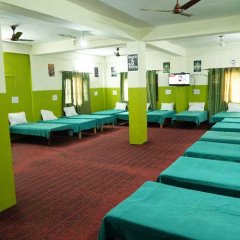























Nasha Mukti Kendra in Srinagar | Addiction Recovery & Treatment
Explore addiction treatment, drug rehabilitation, alcohol de-addiction, mental health support and recovery guidance for individuals and families in Srinagar.
Addiction Is Not Just a Habit, It Is a Battle for
Life: Understanding the Need for a Nasha
Mukti Kendra in Srinagar
When substance dependency begins affecting the brain, damaging physical health and breaking family relationships, recovery requires more than willpower. It requires medical understanding, psychological support and a carefully planned path towards a healthier future.
A person does not always realise when occasional substance consumption starts becoming an addiction. Sometimes it begins with curiosity, sometimes with emotional pressure, and sometimes as an attempt to escape personal difficulties. Gradually, however, the substance can begin controlling everyday decisions, relationships, finances and health. This is why finding a reliable Nasha Mukti Kendra in Srinagar becomes an important consideration for families seeking professional addiction-treatment guidance.
Addiction is particularly challenging because its effects are not always visible. Someone may continue going to work, meeting friends and participating in everyday activities while experiencing serious physical and psychological difficulties internally.
Jivan Ka Ehsaas Nasha Mukti Kendra, under the leadership of Mr. Gagandeep, shares information about addiction rehabilitation, counselling and recovery approaches. Understanding the science behind addiction can help individuals and families make more informed decisions about treatment.
1. The Science Behind Addiction: Why Is It So Difficult to Stop?
One of the biggest misunderstandings about addiction is that people can overcome it simply by deciding to stop.
In reality, repeated substance consumption can change the brain's reward, motivation and self-control systems.
Certain addictive substances affect dopamine-related pathways, which play an important role in motivation and reinforcement. Over time, the brain may become increasingly associated with the substance and the situations surrounding its consumption.
This can create several difficulties:
-
Strong cravings even when someone wants to stop.
-
Reduced ability to control substance consumption.
-
Difficulty experiencing pleasure from ordinary activities.
-
Increased tolerance, requiring larger amounts for similar effects.
-
Withdrawal symptoms when substance use stops.
-
Repeated relapse despite negative consequences.
This explains why professional addiction treatment often requires medical care, behavioural therapy and long-term recovery planning.
2. The Silent Damage: How Addiction Changes the Human Body
Addiction is not limited to one organ. Depending on the substance, frequency and duration of consumption, it can affect several body systems simultaneously.
Brain and Nervous System
Addiction can interfere with memory, concentration, coordination, judgement and emotional regulation. Some substances can also increase the risk of seizures and neurological complications.
Liver
Long-term heavy alcohol consumption can contribute to fatty liver disease, alcoholic hepatitis, cirrhosis and liver failure.
Heart
Certain substances can increase blood pressure, disturb heart rhythms and raise the risk of cardiovascular emergencies.
Kidneys
Dehydration, high blood pressure, infections and substance-related toxicity can contribute to kidney complications.
Lungs
Smoking and inhaling certain substances can damage respiratory tissues, reduce lung function and increase infection risks.
The seriousness of these effects makes early medical assessment extremely important.
3. The Psychological Side of Addiction: When the Mind Becomes Exhausted
Physical health is only one part of the problem. Addiction can also affect emotional stability and mental well-being.
Some individuals consume substances to temporarily escape stress, loneliness, anxiety, grief or personal disappointment. Unfortunately, substance use can create another cycle of psychological distress.
Common difficulties include:
-
Depression and persistent sadness.
-
Anxiety and panic symptoms.
-
Irritability and aggressive behaviour.
-
Poor concentration and memory.
-
Feelings of guilt and helplessness.
-
Social withdrawal.
-
Disturbed sleeping patterns.
Sometimes mental health conditions exist before substance dependency develops. In other situations, substance use worsens existing psychological difficulties.
This is why Mental Health Treatment and Addiction Rehabilitation should be considered together when both problems are present.
4. The Family Behind the Patient: The Emotional Cost Nobody Talks About
Behind many addiction-related problems, there is a family trying to understand what went wrong.
Parents may spend sleepless nights worrying about their children. Spouses may experience emotional exhaustion. Children may struggle to understand changes in the household environment.
The consequences can include:
Financial pressure: Money that should support education, healthcare and household requirements may be spent on addictive substances.
Loss of trust: Repeated dishonesty and broken promises can weaken relationships.
Emotional distress: Family members may experience anxiety, helplessness and depression.
Social isolation: Fear of judgement can prevent families from discussing addiction or seeking professional assistance.
Uncertainty about the future: Families may struggle to understand how to encourage treatment without creating further conflict.
Addiction treatment should therefore consider family education and counselling wherever appropriate.
5. What Does an Effective Addiction Recovery Programme Actually Require?
A meaningful recovery programme should not focus exclusively on stopping substance consumption. It should address the medical, psychological, behavioural and social factors associated with addiction.
Here are important components of evidence-based rehabilitation.
Medical Assessment and Diagnosis
Qualified professionals assess the individual's substance-use history, physical health, mental health and withdrawal risks.
Supervised Detoxification
For individuals experiencing physical dependence, medically supervised withdrawal management may be necessary. Alcohol and sedative withdrawal can be life-threatening, so sudden unsupervised cessation should be avoided.

Evidence-Based Psychological Therapy
Cognitive behavioural therapy, motivational interviewing and other appropriate interventions can help individuals identify triggers and develop healthier coping mechanisms.
Medication-Assisted Treatment
For certain substance-use disorders, clinically appropriate medicines can reduce cravings, manage withdrawal or support long-term recovery. Treatment decisions must be made by qualified doctors.
Family Participation
Family education and counselling can improve communication and help establish a healthier support environment.
Long-Term Relapse Prevention
Recovery planning should include follow-up consultations, support systems and strategies for managing high-risk situations.
6. Jivan Ka Ehsaas Nasha Mukti Kendra: Looking Beyond the Problem of Addiction
Jivan Ka Ehsaas Nasha Mukti Kendra, led by Mr. Gagandeep, discusses addiction rehabilitation and wellness-related approaches through its published website.
Its listed areas of treatment and support include:
-
Drug addiction treatment.
-
Alcohol de-addiction.
-
Heroin addiction treatment.
-
Detoxification support.
-
Individual counselling.
-
Behavioural therapy.
-
Psychiatric support.
-
Family counselling.
-
Yoga and meditation.
-
12-Step recovery programmes.
-
Relapse-prevention guidance.
-
Life-skills development.
The availability of these services, the qualifications of staff and the medical arrangements should be confirmed directly.
An important verification before admission: Public reporting in July 2026 raised regulatory concerns about an associated Jammu facility. Families should independently verify the organisation's current registration, legal operating permission and medical facilities with the relevant authorities before considering treatment or admission.
7. Why Choosing a Rehabilitation Centre Requires More Than an Online Search
Searching for the Best Nasha Mukti Kendra in Srinagar may provide several online listings, but a professional treatment decision requires much deeper investigation.
Consider these essential questions:
|
Question |
Why it matters |
|---|---|
|
Is the facility currently registered? |
Establishes legal operating status |
|
Are qualified doctors available? |
Ensures appropriate medical care |
|
Is detoxification medically supervised? |
Reduces withdrawal-related risks |
|
Is psychiatric support available? |
Addresses co-existing mental health concerns |
|
Are treatment costs transparent? |
Helps families make informed financial decisions |
|
Is aftercare provided? |
Supports long-term recovery |
A responsible rehabilitation facility should explain its treatment process clearly and never promise a guaranteed cure.
8. Life After Addiction: Rebuilding the Person, Not Just Changing the Habit
One of the most important parts of recovery begins after the initial treatment period.
Individuals need opportunities to rediscover their interests, rebuild relationships, develop professional skills and establish a healthy daily routine.
A sustainable recovery plan may include:
-
Regular medical follow-ups.
-
Appropriate physical exercise.
-
Balanced nutrition.
-
Healthy sleeping habits.
-
Emotional regulation techniques.
-
Support-group participation.
-
Career and educational goals.
-
Positive family relationships.
The objective is not simply to remove an addictive substance from someone's routine. It is to help that person build a life in which substance use is no longer central.
9. Frequently Asked Questions
Q1. Why can addiction return even after someone stops consuming drugs or alcohol?
Addiction involves complex changes in brain functioning, behavioural patterns and environmental triggers. Cravings and stressful situations can increase relapse risk, making continued treatment and aftercare important.
Q2. Can addiction damage the brain permanently?
Some substances and patterns of prolonged use can cause lasting neurological or cognitive damage. The extent of recovery depends on the substance, severity, duration and individual health.
Q3. Is addiction a mental health condition?
Substance use disorders are recognised medical conditions. They can occur alongside depression, anxiety and other psychiatric disorders.
Q4. Should a person stop drinking alcohol suddenly?
Someone with alcohol dependence should seek medical assessment before stopping. Severe alcohol withdrawal can cause seizures and delirium and may become life-threatening.
Q5. What is the role of family counselling?
It helps families understand addiction, improve communication, establish boundaries and support the individual's recovery.
Q6. How can families find a suitable Nasha Mukti Kendra in Srinagar?
Verify current registration, qualified medical staff, emergency arrangements, treatment methods, patient rights and aftercare services before selecting a centre.
Conclusion: A Second Chance Begins with the Right Understanding
Addiction is a complex health condition that can gradually affect the brain, body, emotions, relationships and future opportunities. Treating it requires compassion, medical knowledge and a long-term commitment to recovery.
Finding a suitable Nasha Mukti Kendra in Srinagar is an important starting point for families exploring professional addiction rehabilitation and treatment guidance.
Jivan Ka Ehsaas Nasha Mukti Kendra, under the leadership of Mr. Gagandeep, shares information about rehabilitation and addiction recovery approaches. Before choosing any treatment facility, verify its current regulatory status, medical qualifications and patient-safety arrangements.
A person's addiction may explain a difficult chapter of their life, but it does not have to determine every chapter that follows. The journey towards recovery begins with understanding, continues with professional treatment and grows through consistent support.
Contact Details – Jivan Ka Ehsaas Nasha Mukti Kendra
Jivan Ka Ehsaas Nasha Mukti Kendra
Owner: Mr. Gagandeep
Contact Numbers:
-
+91-9501593164
-
+91-9041609055
Email: info@jivankaehsaasnashamuktikendra.com
What's Your Reaction?
 Like
0
 Dislike
0
 Love
0
 Funny
0
 Angry
0
 Sad
0
 Wow
0