

















Fantasy Puzzles: Choosing Themes, Difficulty, and Piece Count
Few hobbies offer the same quiet escape as sitting down with a thousand tiny pieces and a good light. Art inspired by myth and legend adds an extra spark. This guide explains how to choose fantasy puzzles, from artwork and difficulty to piece count and solving strategy.
Few hobbies offer the same quiet escape as sitting down with a thousand tiny pieces and a good light. Art inspired by myth and legend adds an extra spark. This guide explains how to choose fantasy puzzles, from artwork and difficulty to piece count and solving strategy.
Why the Genre Appeals
Fantasy artwork gives puzzlers something to explore beyond a simple picture. Towering castles, shadowy forests, dragons, sorcerers, and otherworldly landscapes create scenes full of detail. Each corner can hide a story, a creature, or a small surprise.
That sense of discovery keeps people engaged for hours. Many solvers say fantasy puzzles feel more like a visual adventure than a chore. Strong colour and imagination also make finished puzzles worth displaying.
Understanding Difficulty
Image Complexity
Difficulty depends on the image as much as the piece count. Varied colours and clear subjects make sorting easier. Large areas of similar tone, such as night skies or misty forests, slow progress. A lower-count scene with subtle gradients can be harder than a bigger, busier one.
Cut Style
Cutting patterns change the feel of a puzzle. Standard grid cuts are predictable, while irregular cuts and figural pieces add surprise. Some wooden puzzles include themed whimsy pieces shaped like creatures or symbols, which makes assembly more playful.
Difficulty Ratings
Some makers rate their puzzles by level. Most adult fantasy collections sit at the upper levels because the artwork is dense. Beginners should check the rating and read descriptions before buying.
Choosing Piece Count
-
Under 100 pieces: mini puzzles for a quick evening
-
About 100 to 250 pieces: relaxed projects that finish in an hour or two
-
300 to 500 pieces: weekend challenges for most solvers
-
500 pieces and above: longer projects for experienced puzzlers
Beginners can enjoy fantasy puzzles at lower piece counts too. Newer puzzlers often start between 300 and 500 pieces and move up as confidence grows. Experienced hobbyists may prefer 1,000 pieces or more. Matching the count to your available time prevents frustration with fantasy puzzles that sit unfinished.
Wood Versus Cardboard
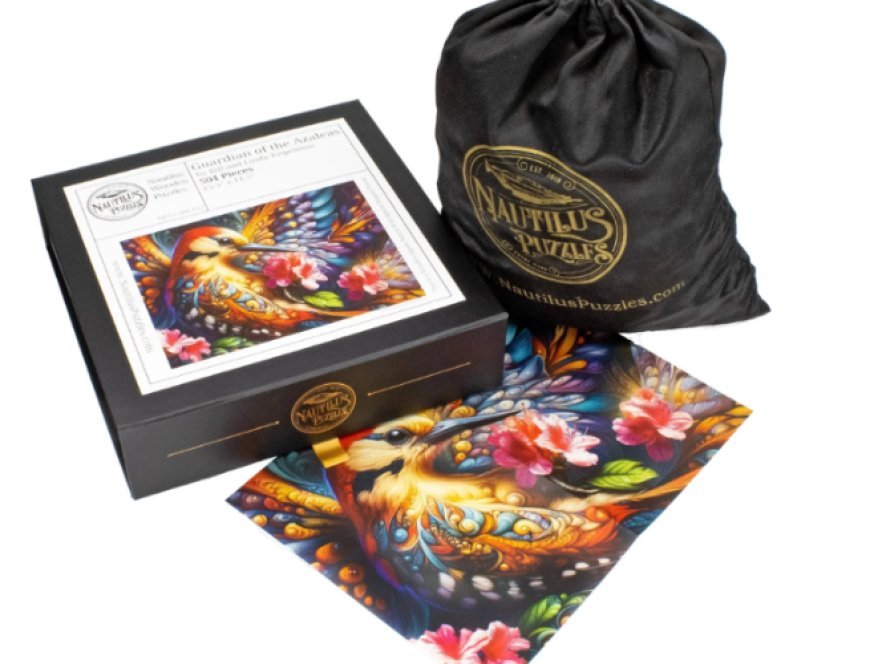
Cardboard fantasy jigsaw puzzles are widely available and affordable. Laser-cut wooden puzzles offer a different experience, with a solid feel, crisp edges, and often more unusual shapes. Wood pieces fit snugly and resist wear, which suits puzzles that will be assembled more than once.
Choosing well-made fantasy puzzles means checking the cut quality and edge fit. Wooden options usually cost more, so consider how often you will use the puzzle. Collectors and gift buyers often choose wood for its durability and presentation. For many fans, the tactile quality is part of the appeal.
Solving Strategies
-
Turn all pieces face up before starting
-
Separate edge pieces and build the frame
-
Sort the remaining pieces by colour or feature
-
Work on distinctive areas, such as creatures or buildings
-
Fill in difficult regions last, such as skies and backgrounds
Sorting trays make the process easier. Good lighting protects your eyes during long sessions. When stuck, try sorting by shape instead of colour, since piece outlines can reveal where they belong.
Possible Benefits
Research suggests jigsaw puzzling uses multiple cognitive skills, including visual-spatial reasoning and memory. Researchers also note that it may help people regulate stress by focusing attention on a calming task. These findings are promising but do not mean puzzles are a cure for any condition.
Whatever the science, many solvers simply enjoy the quiet absorption. Regular fantasy puzzles sessions can become a relaxing evening ritual. Pair the activity with music or tea to deepen the effect.
Gift Ideas
Fantasy puzzles make strong gifts for readers, gamers, and anyone who loves mythology. Pick a size that fits the recipient's experience. A smaller puzzle is a pleasant surprise, while a large one suits a dedicated hobbyist.
Consider pairing the gift with a sorting tray or a puzzle mat. Check whether the buyer has already completed popular designs by asking discreetly. Thoughtful details turn a simple present into a keepsake.
Conclusion
The best choice combines artwork you love, a difficulty that suits your skill, and a piece count that fits your time. Collectors who enjoy imaginative scenes often browse fantasy puzzles for adults to find the right mix of detail and challenge. Start small, build confidence, and enjoy the slow pleasure of seeing a world come together.
What's Your Reaction?
 Like
0
 Dislike
0
 Love
0
 Funny
0
 Angry
0
 Sad
0
 Wow
0