




















How Cabinet Condition Can Influence the Preparation and Painting Process
Learn how cabinet condition changes surface prep, primer, paint choice, and timing before cabinet painting in North Plains, OR, so you know what to ask.
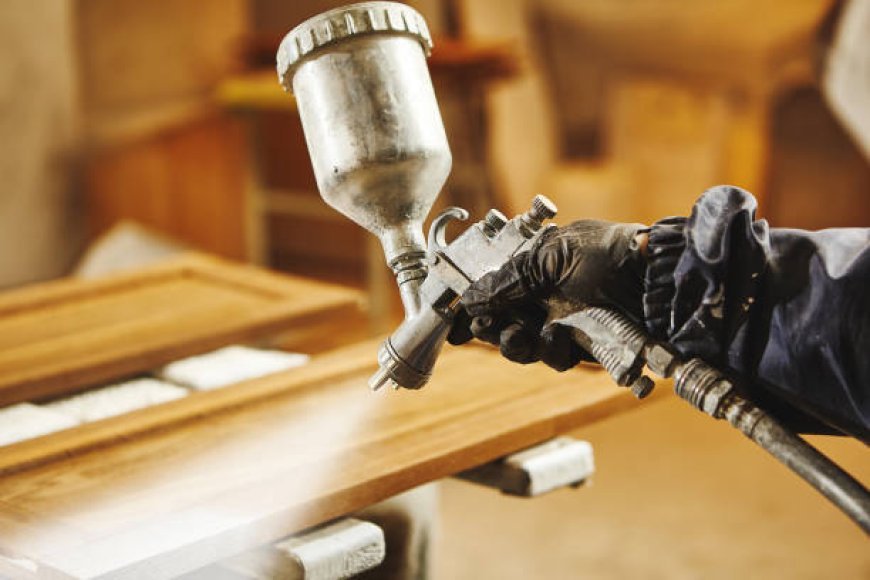
Cabinet condition often decides whether painting looks clean or exposes old problems. Cabinet painting means preparing, priming, and coating existing cabinet parts rather than replacing them. Sound doors move quickly through prep, while swollen edges, grease, peeling finish, or loose veneer add repair work. At I Know A Guy Handyman Services LLC, cabinet painting is part of the handyman work we provide, and every job starts with an inspection, not a color card.
North Plains has wet winters, so indoor cabinet work benefits from controlled airflow and a dry, usable room. This advice fits homeowners, renters with owner approval, landlords, and small business owners. Badly swollen particleboard or unsafe old coatings may call for replacement or a specialist instead.
Use these three descriptions to place your cabinet painting in North Plains, OR project before anyone talks color:
-
Stable but dated: doors and boxes are sound, though the finish looks tired.
-
Repair-led: one or two areas have swelling, loose veneer, or worn edges.
-
Poor painting candidate: the layout, material failure, or repeated moisture problem is bigger than a new coating.
Cabinet Damage Sets the Starting Point
Cabinet condition is the first sorting question because paint only works on a stable base. A quick decision here prevents a color choice from hiding a repair that will reopen.
Are Your Cabinet Boxes Sound Enough to Paint?
Cabinet boxes with firm bottoms and attached face frames are usually worth painting. A damp sink cabinet often shows swelling at the bottom edge first, while a hard, dry edge can accept repair and primer. Paint covers color, not missing material, and swollen particleboard keeps expanding when moisture reaches it. We would rather recommend replacement for a cabinet that has lost its shape than sell a finish that fails early. Sound plywood or solid wood gives the project a better starting point, but loose veneer changes the prep decision.
Repainting Stops When Cabinet Structure Fails
Cabinet painting is not worth the disruption when the layout frustrates the room or the material is failing throughout. A row of doors may look tired only because hinges sag and knobs sit loose, and tightening hardware can solve the complaint without painting. Factory-finished MDF with swollen corners, widespread delamination, or repeated water damage needs a different plan. If the problem is color or a dull finish, repainting fits, and comparing DIY painting vs hiring painters helps decide who should take it on. If the problem is structure, replacement or carpentry deserves the conversation before any color choice.
Surface Prep Starts With Cabinet Condition
Surface prep earns its place in the schedule because old cooking film, failed finish, and uneven edges behave differently. Quiet defects matter, since a smooth color coat magnifies them.
Does Sanding Alone Make Cabinets Paint-Ready?
Sanding alone does not make greasy or peeling cabinets ready for paint. Proper surface prep starts with removing film before abrasion. A cabinet near a range collects an invisible film that dulls sandpaper and leaves bare spots shiny, so degreasing removes that barrier before sanding. Light sanding gives the new coating a mechanical grip, while loose finish still needs removal. A bonding primer is made for adhesion on difficult, slick surfaces, and its label sets the required dry and recoat time. If peeling reaches the substrate or reveals swelling, surface repair comes before any primer.
Repair Comes Before Primer on Soft Edges
Repair comes before primer when a door flexes, chips at the edge, or shows a soft spot. Run a clean fingertip along the bottom rail, because a raised lip catches touch before it catches the eye. Caulk belongs in fixed seams, not moving door joints, because flexible parts need clearance. Wood filler suits small dents on stable wood, while replacement is safer for crumbling fiberboard. Primer seals a prepared surface, but it cannot make loose veneer flat. Any contractor you hire needs to explain the repair boundary before sanding begins.
Recoat Time Follows the Cabinet Material
Recoat time is part of the finish, not dead space between tasks. The material, room airflow, and the way doors are staged decide whether the next coat lands on a firm surface.
How Does Cabinet Material Change the Painting Sequence?
Material changes the sequence because wood, MDF, laminate, and old factory coatings accept repair differently. A solid-wood door may show open grain after sanding, while a laminate face needs a clean, sound surface and an adhesion-focused primer. Cabinet doors are normally removed for better edge coverage, then labeled so hinges return to their openings. Coats of enamel paint designed for cabinetry need drying and recoat time from the product label, not a guess based on touch. A humid room or crowded work area changes airflow and waiting time.
Dry Is Not the Same as Cured
Between coats, the surface needs to look dull and even, not merely feel dry. A painted edge may feel dry while the lower layer remains soft enough to imprint from a fingertip or a stacked door. Product labels separate dry time, recoat time, and full cure time, and those terms describe different stages. Full cure time extends well beyond a quick touch test. In a damp climate, indoor moisture and limited winter ventilation make that distinction practical during cabinet work. Keep doors separated until the stated cure guidance is met, or fresh faces may stick together overnight.
Local Rooms Need a Weather-Aware Setup
The damp season raises a practical question for indoor cabinet work: can the room hold the product's limits while doors are off? Weather outside matters through airflow, moisture, and staging.
How Does Wet Winter Air Change Cabinet Prep?
Wet winter patterns make indoor airflow part of cabinet preparation, especially when doors and drawers occupy a kitchen or utility room inside an occupied home. Open windows are not always useful during damp weather, so a safe, controlled setup matters more than simply turning up the heat. Water-based coatings still need the temperature and humidity limits printed on their labels. A room with poor circulation lengthens drying even when the cabinet surface feels warm. Summer work has easier ventilation, but product limits still govern the job.
Which Room Details Matter During Cabinet Work?
Cabinet work starts with the room, not the color. Ask any contractor you hire how the kitchen will stay usable while doors cure, where removed parts will sit, and how dust will be contained. A narrow kitchen island, pets crossing the work zone, or a single sink can change the setup without changing the cabinet scope. Labeling hardware in small bags prevents a mismatched hinge from forcing a second adjustment. If the room cannot be kept clear, a staged schedule is safer than crowding wet doors.
Can Rainy Weather Stop Indoor Cabinet Painting?
Rainy weather does not automatically stop indoor cabinet painting. A closed room with conditioned air can proceed when the product label's temperature and moisture limits are met, while an unconditioned garage may fail those limits. We check where doors will dry, because a garage floor and a kitchen counter hold different dust and moisture risks. Winter scheduling needs a backup day when the space cannot stay within label conditions, so freshly coated parts are not crowded into the only work path. Moving parts indoors also requires a clear walkway and a dust-free resting surface.
Questions to Settle Before Cabinet Painting
The questions below cover small choices that can change cabinet prep, drying, and the handoff back to your room.
How Long Should Cabinet Doors Stay Off the Hinges?
Most doors stay off until handling is safe. A clean door edge may feel dry before the hinge cup area is firm. Wait for the product's stated handling guidance, then reinstall one test door before hanging the rest.
Can I Paint the Cabinet Doors Myself?
Yes, a small door set suits careful DIY work. Cabinet painting gets difficult when spray equipment, dust control, or repairs enter the job. A renter also needs written owner approval before altering a finish, even if the color change seems minor.
Do I Need to Remove Every Hinge and Knob?
No, every hinge does not need to leave the door. Fixed hinge plates can stay in place when their edges remain reachable and clean. Tight clearances or spray work change that choice, since overspray gathers where a brush cannot reach.
Is It Safe to Paint Cabinets With an Old Finish?
Safety turns on the building age and coating condition. Properties built before 1978 may contain lead-based paint. Do not disturb suspect coatings casually; a qualified professional follows applicable safety rules and uses the proper evaluation path before sanding or scraping.
Does Primer Make Sanding Unnecessary?
No. Primer does not erase every prep step. It improves adhesion and seals a prepared surface, but it will not flatten raised grain, fill a gap, or stop a door from moving. Those conditions still need separate correction before coating.
How Can I Tell If Cabinet Veneer Is Loose?
Loose veneer shows movement before obvious peeling. Press the edge lightly with a fingertip and watch for a springy lift, especially near a sink or dishwasher. Hollow tapping and a visible shadow line also signal a bond worth checking.
What Should I Ask a Cabinet Painter About Repairs?
Ask who handles repairs after the estimate. A good answer names the person, the repair limit, and the point where extra approval is needed. Vague promises about making everything smooth leave the most important decision unresolved.
What If My Kitchen Stays Damp During Prep?
Dampness does not automatically cancel indoor cabinet work. The room can proceed when its temperature, moisture, airflow, and product limits line up. An unheated storage area needs a different plan than a conditioned kitchen.
Get a Clear Cabinet Painting Plan
Front faces can hide a rough back edge where a door meets the cabinet opening, so include that edge in the inspection. Ask any contractor you hire, "What will you do if the old finish reacts to the new coating?" A good answer names the test area, the product change, and who approves added prep before the whole kitchen is coated.
If you want another set of eyes on the condition before choosing a color, I Know A Guy Handyman Services LLC can talk through your cabinets and explain which prep path fits your doors. Call (503) 332-7073 to describe the room and the finish you have now.
What's Your Reaction?
 Like
0
 Dislike
0
 Love
0
 Funny
0
 Angry
0
 Sad
0
 Wow
0