





















Why Dirt Removal Matters Before Landscaping or Construction in Corona, CA
Learn why dirt removal service in Corona, CA matters before landscaping or construction, covering grading, drainage, access, timing, and when soil stays.
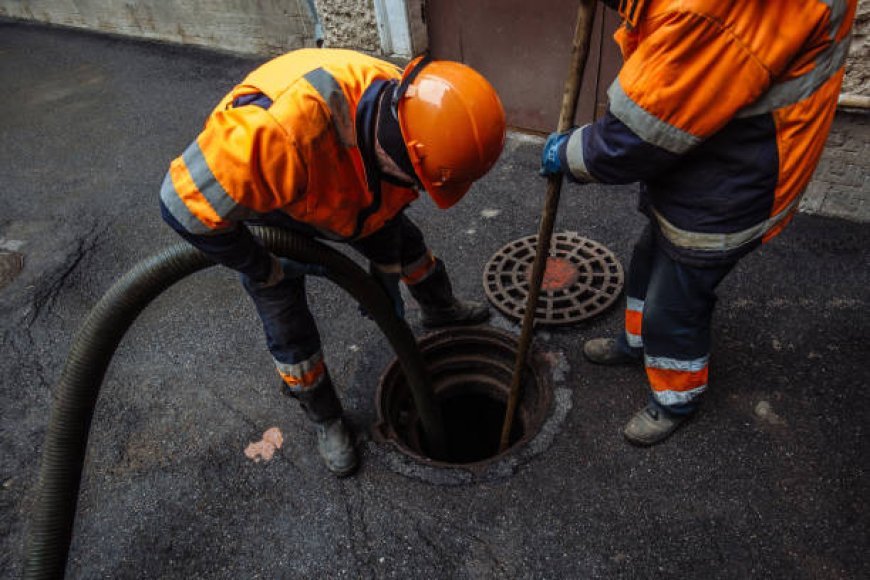
At Demo Pros Plus, we handle dirt removal as part of our outdoor and building work. Landscaping and construction need a stable, correctly graded base, so loose, unsuitable, or excess soil is removed before new work begins. A dirt removal service in Corona, CA means loading unwanted dirt, hauling it to an allowed destination, and leaving the area ready for grading.
Many homeowners think a dirt pile is harmless until it changes water flow or leaves no room for equipment. The reason for removal is not simply appearance. Soil that is too high, too wet, mixed with debris, or unsuitable for compaction can affect planting beds, walkways, slabs, and drainage. A short site review separates material worth keeping from material that needs a proper disposal route.
How Dirt Removal Service in Corona, CA Supports Grade
A dirt removal service supports landscaping and construction by taking excess soil away before final grading, planting, footings, or paving begin. Room for grading equipment helps shape slopes and keeps loose piles from covering drainage paths. The first load often exposes the real ground level, and our soil hauling service covers that first pass.
Landscape plans usually show finished elevations, not just where plants will sit. Soil left above those elevations can bury edging, narrow a walkway, or push irrigation water toward a foundation. Construction work adds stricter concerns. Footings and slabs need the planned base, and loose fill beneath them is not a substitute for prepared soil. Stockpiling clean topsoil separately protects its planting value.
One field detail matters in Corona, CA: a hard, dry crust on top does not prove a pile is stable below. A loader bucket may reveal loose layers, roots, or rubble underneath. Material separation at that point keeps clean dirt from being mixed with construction debris and sent down the wrong disposal path. That separation also makes the final grading pass more predictable.
Spot Trouble Hidden Under Excess Soil
Excess dirt removal matters when a pile hides poor grade, buried debris, or soil that holds water against a wall. Surface appearance can mislead because a smooth mound may cover roots, broken concrete, or loose fill. A visual check at the edge, followed by professional review, gives a safer picture without asking you to dig near unknown utilities.
Look for these clues before planning the finished surface:
-
Standing water: Puddles remain after nearby soil dries, pointing to low grade or compacted soil.
-
Mixed material: Soil contains concrete chunks, wood, or trash, so it needs sorting before reuse.
-
Wrong elevation: Dirt reaches a door threshold, fence base, or planned walkway height.
-
Soft footing: Shoes sink or the surface pumps under light pressure, showing weak or wet material.
-
Eroded edge: Rain cuts a channel through the pile, showing that loose soil is moving downhill.
Older fill deserves extra caution near retaining walls and additions because settlement can happen at different rates across one area. A pile beside a garage may look separate from the building, yet runoff still follows the slope beneath it. Removal is not automatically required, but an unstable or poorly placed pile is a poor base for permanent work.
When Landscape Dirt Hauling Makes Sense
Landscape dirt hauling makes sense when clean soil exceeds the final grade, blocks equipment access, or differs from the material needed for planting. Hauling is not automatically the right choice. A pile that can be spread on the same property without raising the grade saves a trip and preserves usable fill.
On a small planting area, onsite reuse often wins when the dirt is clean, dry enough to place, and compatible with the landscape plan. A low spot can accept screened fill, while finished beds may need separate topsoil rather than whatever comes out of a trench. The deciding detail is the planned elevation after compaction, not the pile's current size. Soil that is spread too deep can settle and leave a low area later.
Full removal makes more sense when soil contains debris, stays saturated, or leaves no safe path for a skid steer or delivery truck. One honest case where service is not needed is a clean mound from a shallow garden bed that can be spread thinly and covered with planned soil. Paying to haul it away would add work without improving the finished yard.
What Determines Whether Soil Removal Is Needed?
Dirt removal in Corona, CA is needed when existing dirt cannot meet the planned grade, drainage, or load requirements. Clean fill at the correct elevation can stay, while wet organic topsoil under a slab or paving area needs a different plan. Soil texture, not color alone, gives the first useful clue.
Grade stakes, door thresholds, fence lines, and nearby drains show how much elevation the finished work needs. A few inches of extra soil beside a walkway may be harmless, but the same height against a wall can send runoff toward the building. Soil packed firmly in one spot and loose in another signals that the surface needs closer review before landscaping or construction. Finished surfaces also need room for a compacted base, edging, or a drainage channel.
Clean topsoil suits planting, while compactable fill suits many base areas only when the project plan allows it. Roots, saturated clay, and buried wood change that answer. An on-site look at depth and composition prevents a common mistake: removing good soil, then bringing in replacement material for the same area. A grade plan gives that decision a measurable target.
Weather Changes the Removal Plan
Weather, soil moisture, and property layout change the safest removal plan more than the calendar does. Dry, firm soil loads cleanly, while saturated clay sticks to buckets and leaves ruts. Narrow side yards need smaller equipment or hand staging, and an open construction lot allows a truck closer to the pile.
Rain matters most when tires or tracks must cross finished lawn, pavers, or a soft shoulder. A short delay protects the surface, while loading wet dirt immediately can create deep marks that need separate repair. Sandy soil sheds water faster than clay, but both materials need a grade that directs runoff away from structures.
Sloped lots bring a second issue: the pile's downhill edge carries more risk of spreading during rain. Properties with fences, pool decks, or overhead branches also limit equipment choices. A soil disposal service has to account for those obstacles, so a clear access route matters as much as the number of loads. Wet access can change the work plan even when the pile itself is small.
Prevent Delays Before Loading Begins
Removing dirt before construction or landscaping goes smoothly when the pile, truck path, and receiving area are known before equipment arrives. Clear gates, parked cars, low branches, and loose materials from the route. A provider who asks about gate width and truck placement is planning the actual job, not just the load.
Ask any provider, What material will you accept, where will it go, and what access do you need? A good answer names the difference between clean soil and mixed debris, explains how weather changes the plan, and identifies the truck position before loading day. Vague promises about taking everything leave the most important part undefined.
Photos of the pile, gate, driveway, and nearest finished surface help settle details before scheduling. Separate loose branches, metal, concrete, and household waste from dirt rather than burying them in one load. Mixed loads take longer to sort and may need a different receiving site, which is why a five-minute photo review can prevent a day of rework.
Questions About Soil Removal Before Landscaping
Questions about dirt removal before landscaping or construction usually come down to timing, soil condition, and the finished grade. Small clean piles are not automatically waste, while wet or mixed material deserves a closer plan. The answers below cover cases that a general site explanation cannot settle by itself.
Do I Need Dirt Removal Before Planting Grass?
Grass and shrubs do not always need dirt removal before planting. Removal is needed when the existing grade traps water, buries the root zone, or contains unsuitable fill. A shallow planting bed with clean soil can stay in place after raking and grading. Grass seed still needs a firm, fine surface, while shrubs need enough depth for mature roots.
How Long Does a Small Soil Hauling Job Take?
A small, accessible soil pile often takes a few hours to load and haul, while multiple loads, narrow gates, or hand staging stretch the work into a longer visit. Truck wait time and the receiving site's hours matter too. A provider who sees the pile and route can give a tighter window than a guess based on photos alone.
Can Dirt Be Hauled After Heavy Rain?
Heavy rain is a reason to pause when tires or tracks would cross lawn, pavers, or soft shoulder areas. Dry, stable access allows loading sooner, while saturated clay usually needs time to firm up. Rain also changes the pile itself, so the planned load size and truck position deserve a fresh check before arrival.
Can I Remove a Small Pile of Dirt Myself?
Small clean amounts are manageable with hand tools when the pile is away from utilities, structures, and finished surfaces, and the soil has a permitted place to go. Larger piles become an equipment and hauling problem, not just a digging task. Never mix unknown debris into ordinary soil or move material toward a slope.
Does Old Fill Need Removal Before a Driveway?
Old fill under a driveway needs removal only when testing or site conditions show weak, organic, wet, or poorly compacted material. Firm, suitable fill may remain after the planned base is prepared. Driveway thickness and drainage design belong to the project plan, so surface hardness alone cannot prove the subgrade is ready.
Where Does Removed Dirt Go?
Removed dirt goes to reuse, screening, or a receiving site that accepts that material, based on cleanliness and local rules. Clean soil has more reuse options than dirt mixed with concrete or household waste. Ask where the load is headed and whether sorting is included, especially when a pile contains several materials.
Get Help With Soil Before Landscaping
Photos of the pile, the access route, and the nearest finished surface give a provider a better starting point than a pile measurement alone. Mark the planned finished height on a fence or stake when possible, because the desired grade matters more than the mound's peak.
If you want help with local dirt removal in Corona, CA, Demo Pros Plus can review the soil, access route, and planned use with you. Call (714) 605-1651 to describe the pile and what comes next, and we can explain whether removal or onsite reuse fits.
What's Your Reaction?
 Like
0
 Dislike
0
 Love
0
 Funny
0
 Angry
0
 Sad
0
 Wow
0