




















Outboard Motors for Fishing Boats: Choosing the Right Engine for Better Performance
Enhance your boating experience with top-quality outboard motors for sale built for strength and reliability. Whether you’re after powerful new outboard engines or cost-effective used outboard options, this site offers trusted brands and great prices.


Outboard Motors for Fishing Boats: Choosing the Right Engine for Better Performance
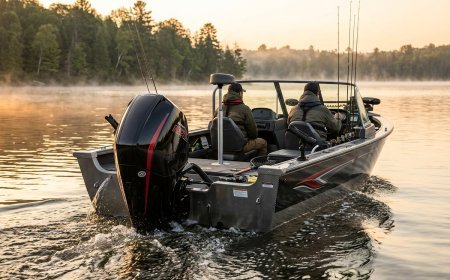
Fishing by boat offers freedom, flexibility, and access to locations that are difficult to reach from the shore. Whether you enjoy freshwater fishing on lakes and rivers or prefer exploring coastal waters, having a dependable outboard motor can make every trip more productive and enjoyable. The right engine provides reliable propulsion, helps maintain a suitable cruising speed, and allows you to navigate different water conditions with confidence.
However, choosing an outboard motor for a fishing boat requires careful consideration. Factors such as horsepower, engine weight, fuel efficiency, noise levels, and maintenance requirements can all influence your experience. Understanding these details before purchasing can help you find an engine that meets your fishing needs.
Understanding Your Fishing Boat's Requirements
The first step in selecting an outboard motor is understanding the specifications of your fishing boat. Different vessels have different propulsion requirements depending on their size, construction, weight, and intended use.
A small aluminum fishing boat may operate efficiently with a compact engine, while a larger offshore fishing vessel may require considerably more horsepower. The total weight of passengers, fishing equipment, fuel, and other supplies should also be considered.
Check the boat manufacturer's recommended horsepower range and maximum engine weight before comparing available models. Installing an engine that exceeds the approved specifications can negatively affect handling and safety.
You should also consider the type of fishing you regularly enjoy. Anglers who fish on calm lakes may have different engine requirements from those who frequently travel through coastal waters or strong currents.
Why Fuel Efficiency Matters for Fishing Trips
Fuel consumption is an important consideration for fishing enthusiasts, particularly those who spend several hours on the water. An engine that uses fuel efficiently can help reduce operating expenses and provide greater flexibility when planning longer trips.
Four-stroke outboard motors are popular among recreational boat owners because many models offer smooth operation and competitive fuel efficiency. Electronic fuel injection can further improve fuel management by adjusting fuel delivery according to operating conditions.
However, actual fuel consumption depends on several factors, including engine size, boat weight, hull design, cruising speed, and water conditions.
Maintaining a clean hull, using an appropriate propeller, and avoiding unnecessary weight can help improve overall efficiency.
When comparing different engines, look for fuel consumption information at typical cruising speeds rather than relying exclusively on maximum horsepower figures.
Choosing Between Different Outboard Engine Types
Outboard motors are available in different configurations, with two-stroke and four-stroke engines being the most familiar options.
Traditional two-stroke engines are often appreciated for their lightweight construction and strong power-to-weight ratio. They can be useful for applications where reducing overall engine weight is important.
Four-stroke engines are generally known for smoother operation, quieter performance, and efficient fuel consumption. These characteristics make them attractive for recreational fishing, particularly when anglers spend extended periods on the water.
Modern direct-injection two-stroke engines also offer technological improvements compared with older conventional designs.
Before making a decision, compare the maintenance requirements, fuel specifications, operating characteristics, and environmental regulations applicable to your location.
Exploring New Outboard Engines for Fishing Boats
Advances in marine technology have introduced several features that make modern outboard motors more convenient and efficient.
Many new outboard engines include electronic fuel injection, digital engine monitoring, improved cooling systems, and advanced ignition technology.
These features can help deliver consistent performance and make it easier for boat owners to monitor important operating information.
Depending on the model, modern engines may also offer improved noise reduction and smoother power delivery. This can be particularly useful for anglers who prefer quieter fishing environments.
When choosing a new motor, consider whether its features are genuinely useful for your boating activities. A sophisticated electronic system may be valuable for a larger fishing vessel, while a simpler engine may be perfectly suitable for a small recreational boat.
Also, check warranty conditions and the availability of replacement parts before purchasing.
Are Used Outboard Motors a Good Choice?
For anglers working with a limited budget, purchasing a pre-owned engine can be a practical alternative.
A well-maintained motor can provide dependable performance without requiring the investment associated with a brand-new model. However, buyers should never overlook the importance of checking its mechanical condition.
When considering a used outboard, examine the following areas:
-
Maintenance history: Ask for service records and information about previous repairs.
-
External condition: Look for corrosion, cracks, damaged components, and fluid leaks.
-
Engine hours: Check the recorded operating hours where this information is available.
-
Cooling system: Make sure water circulation is functioning correctly.
-
Propeller condition: Inspect the blades for bends, cracks, or other damage.
-
Lower unit: Check for lubricant leaks and unusual noises.
Whenever possible, request a demonstration and arrange an inspection by a qualified marine technician. These steps can help identify potential issues before completing the purchase.
Important Features for Recreational and Offshore Fishing
Not every fishing boat requires the same engine features. Your preferred fishing environment should influence which specifications you prioritize.
For freshwater fishing, lightweight construction, easy operation, and economical fuel consumption may be important. Smaller motors are often suitable for compact boats used on lakes and rivers.
For coastal and offshore fishing, dependable performance and sufficient horsepower become particularly important. Larger vessels may need more powerful engines to handle heavier loads and challenging water conditions.
Some boat owners also prefer engines with digital monitoring systems, power trim and tilt, and compatible electronic controls. These features can improve convenience and make operating the boat easier.
Before purchasing, consider the availability of servicing facilities and spare parts in the areas where you regularly go boating.
Where to Find Outboard Motors for Sale
After determining your requirements, the next step is comparing available engines and identifying a suitable purchasing option.
When searching for outboard motors for sale, compare horsepower, engine weight, fuel consumption, specifications, and overall condition.
Do not make a purchasing decision based entirely on the lowest advertised price. An engine with better maintenance support, a suitable warranty, and readily available replacement parts may offer greater long-term value.
It is also important to confirm compatibility with your boat's transom height, mounting arrangement, steering system, and electrical connections.
Taking time to compare several options can help you avoid unnecessary expenses and select an engine that meets your expectations.
Maintaining Your Fishing Boat's Outboard Motor
Regular maintenance is essential for keeping an engine reliable throughout its operating life.
Inspect the motor before each trip and follow the manufacturer's recommended service schedule. Check the fuel system, cooling water flow, propeller, electrical connections, and lubrication requirements.
If you regularly fish in saltwater, flush the engine with fresh water according to the manufacturer's instructions. This helps remove salt deposits that can contribute to corrosion.
Proper storage is equally important. Protect the motor from prolonged exposure to harsh weather and follow the recommended procedures when preparing it for extended periods of inactivity.
Consistent maintenance can reduce unexpected breakdowns and help preserve engine performance.
Conclusion
Selecting the right outboard motor can significantly improve your fishing experience. The ideal engine should match your boat's specifications, provide suitable horsepower, offer reasonable fuel efficiency, and meet your maintenance expectations.
Whether you are considering a modern engine with advanced technology or a carefully inspected pre-owned model, comparing different options before purchasing is essential. With the right motor and proper maintenance, you can enjoy more reliable boating, explore new fishing locations, and make the most of every trip on the water.
What's Your Reaction?
 Like
0
 Dislike
0
 Love
0
 Funny
0
 Angry
0
 Sad
0
 Wow
0