


















Packaging Inserts: Simple Ways To Improve Product Presentation
Learn how packaging inserts can protect products, improve presentation, and create a better customer experience with practical ideas for different product types.

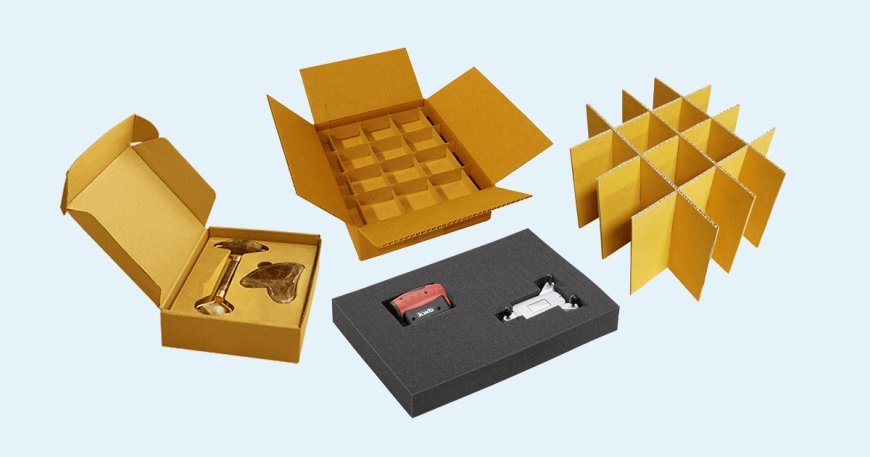
Packaging can do more than keep a product safe during shipping. The small details inside a box can also shape how a customer feels when the package arrives. That is where packaging inserts can make a real difference. They can hold items in place, add useful information, or simply make the opening experience feel more thoughtful. A well-planned insert does not have to be complicated or expensive. It just needs to suit the product and the type of packaging being used. In this article, we will look at practical ways to use inserts, how they can improve presentation, and what to consider before choosing a design. From small handmade products to larger retail items, the right insert can make a package feel more complete and organized.
Improve Product Protection
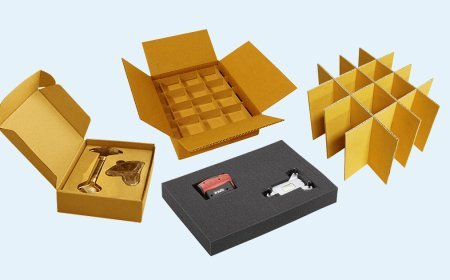
One of the main jobs of an insert is to keep a product from moving around inside its box. This matters during shipping because packages can be dropped, stacked, and moved several times before reaching the customer. A good insert creates a secure space around the item and reduces unnecessary movement. Custom Printed Packaging Inserts can be made to fit a product closely, which is useful for items with unusual shapes or delicate parts. Materials such as cardboard, paperboard, foam, and molded pulp can all work for different needs. The right choice depends on the product, shipping conditions, and desired appearance. Protection should always come first, but it does not mean the packaging has to look plain.
Create Memorable Unboxing
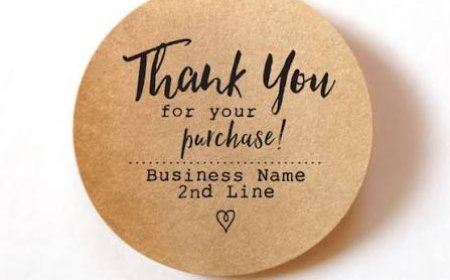
Opening a package is often the first physical experience a customer has with a brand. A neat interior can make that moment feel more enjoyable. An insert can guide the customer toward the product and create a clean presentation as soon as the box is opened. Some businesses use packaging ideas such as thank-you messages, care instructions, small product stories, or discount cards. These details can make the package feel personal without adding much weight. The design should still be simple and easy to understand. Too many printed elements can make the inside feel crowded. A thoughtful insert usually works best when it supports the product instead of competing with it.
Match Product Needs
Different products need different types of inserts. A bottle may need a secure holder, while a flat item may only need a simple divider. Food products can require inserts that are safe for contact and suitable for the storage conditions involved. For small treats, cake pop packaging inserts can help keep individual pieces separated and upright during transport. This prevents them from rubbing against each other or shifting inside the package. Fragile cosmetics, jewelry, electronics, and handmade goods may also benefit from shaped spaces. Before choosing a design, consider the product's size, weight, shape, and level of fragility. A practical insert should fit the item properly without making the package unnecessarily large.
Support Brand Identity
The inside of a package can carry the same visual identity as the outside. Colors, fonts, patterns, and small brand messages can help create a consistent look. A simple printed insert can also make a basic box feel more carefully designed. Businesses that use packaging inserts for boxes often have plenty of room to add information without changing the outer packaging. This can be useful for care instructions, product details, social media information, or a short thank-you note. The design should match the brand rather than follow every current packaging trend. Consistency is usually more effective. When customers see similar colors and design elements across different parts of a package, the brand becomes easier to recognize.
Add Useful Information
Not every insert needs to be decorative. Sometimes the most helpful insert is one that answers questions a customer may have after receiving the product. Instructions for use, care information, assembly steps, warranty details, and contact information can all be included. Product packaging inserts are especially useful when the product needs some explanation after opening. A short instruction card can save customers from searching online for basic information. It can also reduce confusion and make the product easier to use. Keep the wording clear and avoid filling the card with unnecessary details. A customer should be able to scan the insert and find the information they need without reading a long block of text.
Choose Practical Materials
Material choice affects the appearance, strength, cost, and environmental impact of an insert. Lightweight paperboard works well for many retail products and can be printed with detailed designs. A thicker board can provide more support when a product needs extra stability. Recycled paper options may suit brands that want a more natural presentation. For businesses shipping larger quantities, rigid mailers and bulk purchases may also influence the type and size of inserts used inside each package. It is helpful to test the complete packaging setup before ordering a large quantity. Check how the product fits, how easily the insert can be placed, and how the package performs during handling. Small testing steps can prevent expensive production mistakes later.
Test Before Ordering
A design may look perfect on a screen but work differently in a physical package. Before placing a large order, make a few samples and test them with the actual product. Test whether the item stays secure and whether the insert can be placed quickly during packing. It is also worth testing how the package looks when opened by a customer. Custom packaging boxes are not always the most detailed or expensive options. They are the ones that solve the right problem without creating new ones. Testing can reveal issues with size, material, printing, or assembly. It also gives a business the chance to make changes before committing to a large production run.
Balance Cost Quality
Budget matters, especially for businesses that send hundreds or thousands of packages each month. A simple insert can be more affordable than a complicated custom structure, but low cost should not mean poor quality. A weak insert that bends or breaks can damage the product and create a worse customer experience. Custom Printed Packaging Inserts can be a useful option when a business wants both practical support and branded presentation. The final choice should consider production cost, storage space, packing time, and shipping weight. Buying larger quantities may reduce the unit price, but only when the design has already been tested. A good packaging decision balances appearance, protection, convenience, and long-term cost.
Conclusion
Inserts can add value to a package without making the design overly complicated. They can protect products, organize the inside of a box, share useful information, and give customers a better first impression. The most effective choice depends on the product, shipping method, budget, and brand style.
Before ordering anything in large quantities, test the complete package with the actual product. Look at how it feels, how it holds the item, and how easy it is to pack. Good packaging inserts should make the whole process simpler for both the business and the customer. A practical design with a clean appearance can often do more than a complicated one.
What's Your Reaction?
 Like
0
 Dislike
0
 Love
0
 Funny
0
 Angry
0
 Sad
0
 Wow
0