























PCOS and Fertility: What to Know About ivf hospitals
Learn how PCOS affects ovulation, when to seek fertility evaluation, and how ivf hospitals in chennai can help women understand personalized treatment options.

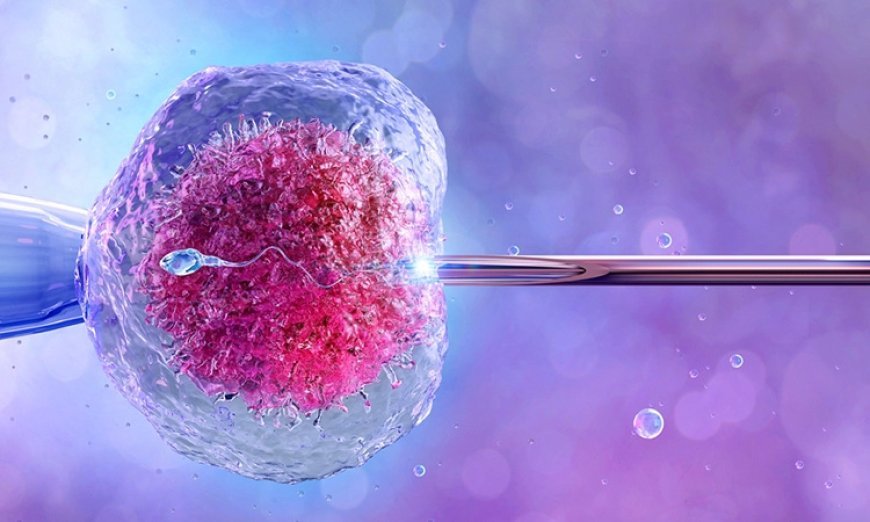
Polycystic Ovary Syndrome (PCOS) is a common hormonal condition that can affect a woman's menstrual cycle, ovulation, and reproductive health. For women planning a pregnancy, understanding PCOS early can help them make informed decisions about fertility care.
A PCOS diagnosis does not mean pregnancy is impossible. Many women with PCOS conceive naturally or with medical support. The right approach depends on individual health, age, fertility history, and other factors.
How Does PCOS Affect Fertility?
PCOS can affect the body's hormonal balance and interfere with the regular release of eggs from the ovaries. This may lead to irregular periods or difficulty predicting ovulation.
Some women with PCOS may ovulate less often, while others may not ovulate regularly at all. When ovulation is irregular, identifying the fertile window can become more challenging.
PCOS may also be linked with insulin resistance, which can affect how the body manages blood sugar. However, not every woman with PCOS has insulin resistance, and symptoms can vary widely.
Early Symptoms That Should Not Be Ignored
Recognising changes in reproductive health can encourage timely medical evaluation. Common signs of PCOS include:
-
Irregular, infrequent, or missed periods
-
Excess facial or body hair
-
Persistent acne or oily skin
-
Thinning hair on the scalp
-
Difficulty conceiving despite regular attempts
These symptoms do not confirm PCOS on their own. Other conditions can cause similar changes, so a healthcare professional should assess them before making a diagnosis.
Why Early Diagnosis Matters
Early awareness of PCOS can help women understand their reproductive health and plan care according to their needs. A timely evaluation may identify ovulation concerns, metabolic factors, or other conditions that could affect pregnancy planning.
A doctor may review menstrual history, symptoms, medical background, and family history. Blood tests may be recommended to assess hormone levels or exclude other conditions.
An ultrasound may also be used when appropriate. However, an ultrasound alone cannot confirm PCOS, and not every woman needs the same set of tests.
Early diagnosis also creates an opportunity to discuss healthy lifestyle habits, menstrual health, and long-term wellbeing.
How IVF Hospitals Help Women Understand Treatment Options
Women seeking fertility care may consult IVF hospitals for an assessment of their reproductive health and guidance about possible treatment pathways.
The first step is usually a detailed fertility evaluation. This may include checking whether ovulation occurs, assessing the uterus and fallopian tubes when indicated, and evaluating sperm health as part of a couple's fertility assessment.
Treatment is not always the same for every woman with PCOS. Depending on the findings, a doctor may recommend:
Lifestyle and Preconception Care
Balanced nutrition, regular physical activity, adequate sleep, and support for overall health can be helpful before pregnancy. These steps should be realistic and tailored to individual needs, without blame or pressure about body weight.
Ovulation-Induction Medicines
For women who have difficulty ovulating and have no other identified infertility factors, medicines may be prescribed to encourage egg release.
Letrozole is commonly recommended as a first-line medicine for ovulation induction in appropriate women with PCOS. Its use should be discussed with a qualified doctor, including possible side effects and local prescribing guidance.
Other Fertility Treatments
If initial treatment does not help, other options may be considered. These can include injectable medicines, intrauterine insemination (IUI) in selected cases, or further fertility procedures depending on the diagnosis.
IVF may be recommended when other treatments have not been successful or when additional fertility factors make it appropriate.
What to Discuss During a Fertility Consultation
When visiting IVF hospitals in Chennai, women can prepare questions about their diagnosis, treatment choices, and expected monitoring.
Helpful questions include:
-
What could be affecting my ovulation?
-
Do I need additional fertility tests?
-
Which treatment is suitable for my current health?
-
What are the possible benefits and risks?
-
How will treatment be monitored?
-
What are the costs and alternatives?
Clear communication helps women understand their options and take part in decisions about their care.
Emotional Support During the Fertility Journey
Fertility concerns can bring uncertainty, stress, or feelings of isolation. These emotions are understandable, and women should not feel that they have to manage them alone.
Support from a partner, trusted family member, counsellor, or healthcare team can make the process feel more manageable. Every woman's experience is different, and treatment decisions should respect her comfort, values, and personal goals.
Conclusion
PCOS can affect ovulation, but it does not define a woman's ability to become a parent. Early symptom awareness, accurate diagnosis, and individualised treatment planning can help women make informed fertility decisions.
For women exploring ivf hospitals, choosing a team that explains treatment clearly, discusses risks honestly, and respects personal needs is important. Firm Hospital provides women's healthcare services in Chennai, where patients can seek guidance and discuss fertility concerns with qualified healthcare professionals.
What's Your Reaction?
 Like
0
 Dislike
0
 Love
0
 Funny
0
 Angry
0
 Sad
0
 Wow
0