



















Affordable Post-Op Instructions in North York: Care Guide
Discover how Affordable Post-Op Instructions in North York support dental recovery, reduce complications, and help patients follow safe aftercare routines.

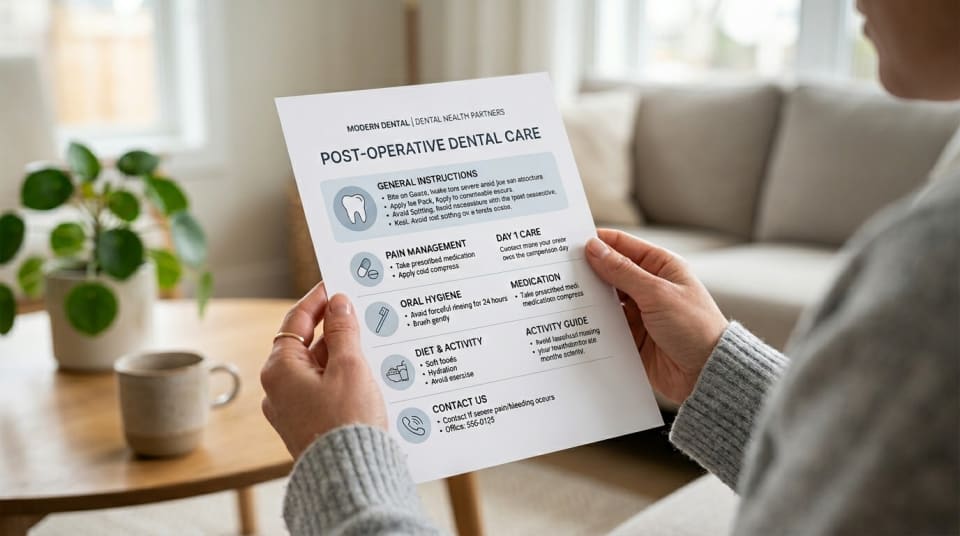
Dental procedures do not end when a patient leaves the dental chair. Recovery is an equally important part of successful dental care, and knowing what to do afterward can make the healing process more comfortable. Whether someone has undergone a tooth extraction, received a dental implant, or completed another restorative procedure, clear aftercare guidance helps protect the treated area and supports recovery.
Finding Affordable Post-Op Instructions in North York is not simply about reducing costs. It is also about accessing practical, understandable information that helps patients follow their dentist's recommendations without unnecessary confusion. With the right instructions and a little preparation, patients can take an active role in protecting their oral health after treatment.
Why Are Post-Operative Dental Instructions Important?
Post-operative instructions explain how to care for the mouth after a dental procedure. They usually cover pain management, oral hygiene, eating habits, activity restrictions, and warning signs that may require professional attention.
Every dental treatment affects the mouth differently. For example, recovery after an extraction involves protecting the blood clot inside the empty socket, while implant surgery requires careful attention to the surgical site and surrounding gums.
Following the recommended instructions can help:
-
Support natural healing and tissue recovery.
-
Reduce the risk of infection and other complications.
-
Manage swelling, tenderness, and discomfort.
-
Protect stitches, restorations, and surgical areas.
-
Maintain proper oral hygiene during recovery.
-
Identify unusual symptoms that need dental attention.
Patients should always follow the specific instructions provided by their treating dentist because general aftercare advice may not apply to every procedure.
Essential Dental Aftercare Tips Following Treatment
Although recovery requirements vary, several basic practices are commonly recommended after dental procedures.
1. Manage Bleeding Carefully
Minor bleeding or blood-tinged saliva can occur after certain dental treatments, particularly tooth extractions. Dentists may recommend gently biting on clean gauze for a specified period to help control bleeding.
Patients should avoid repeatedly disturbing the treated area. Excessive rinsing, forceful spitting, or touching the surgical site can interfere with the formation of a protective blood clot.
If bleeding remains heavy or does not respond to the dentist's instructions, contact the dental office promptly.
2. Control Swelling and Discomfort
Some tenderness and swelling are normal after procedures involving the gums, teeth, or surrounding tissues.
Depending on the treatment, a cold compress applied externally may help manage early swelling. Medication should only be taken according to the dentist's recommendations or the product's appropriate instructions.
Patients should not exceed recommended doses or combine medications without checking whether doing so is safe.
3. Choose Appropriate Foods
Eating the right foods can make recovery more comfortable. Soft options such as yogurt, mashed vegetables, scrambled eggs, and lukewarm soups may be suitable after certain procedures.
It is generally advisable to avoid hard, crunchy, sticky, or very hot foods while the treated area is healing. Patients should also avoid chewing directly on a surgical site when instructed to do so.
The appropriate diet depends on the type of dental procedure and the dentist's recovery guidelines.
4. Maintain Oral Hygiene
Keeping the mouth clean is important for reducing bacterial buildup. However, brushing and rinsing may need temporary adjustments after surgery.
Patients should follow their dentist's instructions about when to resume normal brushing around the treated area. In some cases, gentle saltwater rinses or a prescribed mouthwash may be recommended after an initial healing period.
Avoid using strong rinsing motions unless specifically advised by the dental professional.
How Affordable Post-Op Instructions Support Better Recovery
When evaluating Affordable Post-Op Instructions in North York, patients should consider the quality and usefulness of the guidance rather than focusing exclusively on price.
Good post-treatment instructions should be easy to understand, relevant to the procedure, and practical enough to follow at home.
Affordable guidance can make dental aftercare easier to manage by helping patients understand what supplies they may need, which foods to prepare, how to maintain oral hygiene, and when to schedule follow-up visits.
It can also reduce uncertainty. Instead of relying on random online advice, patients can use professionally provided instructions that reflect their actual treatment and recovery requirements.
Before beginning a procedure, it is helpful to ask whether written instructions, follow-up support, and information about possible complications are included in the overall dental care plan.
Common Mistakes to Avoid During Dental Recovery
Even when patients understand the importance of aftercare, certain habits can interfere with healing.
Some common mistakes include:
-
Smoking or vaping: These habits can interfere with oral healing and increase the risk of complications.
-
Ignoring activity restrictions: Strenuous exercise may increase bleeding or discomfort after certain procedures.
-
Skipping oral hygiene: Neglecting cleaning can contribute to bacterial buildup.
-
Eating unsuitable foods: Hard or crunchy foods may irritate sensitive tissues or disturb the treatment area.
-
Ignoring warning signs: Persistent bleeding, increasing swelling, fever, or worsening pain should not be overlooked.
Following professional recommendations and contacting the dental office when concerns arise can help prevent avoidable problems.
When Should You Contact Your Dentist?
Some discomfort is expected after dental treatment, but certain symptoms require professional assessment.
Contact your dental provider if you experience persistent or heavy bleeding, worsening pain, increasing swelling, fever, pus, or difficulty swallowing or breathing. Difficulty breathing or swallowing requires urgent medical attention.
Patients should not assume that severe or worsening symptoms are simply part of normal recovery.
Regular follow-up appointments also allow the dentist to assess healing, check the treated area, and recommend any necessary adjustments to the recovery plan.
Finding Reliable Dental Aftercare Information
Reliable post-operative guidance should come directly from qualified dental professionals who understand the procedure performed and the patient's individual needs.
Dentistry on Duncan Mill provides post-operative information to help patients understand how to care for their oral health following dental treatment. Its dental aftercare instructions and recovery guidance offer a useful starting point for learning about post-treatment care and the importance of following professional recommendations.
Patients should remember that online information is not a replacement for personalized instructions from their treating dentist. When advice differs, the instructions provided by the dental professional familiar with the procedure should take priority.
Conclusion
Proper dental aftercare plays an important role in protecting treatment results and supporting a comfortable recovery. From managing swelling and choosing suitable foods to maintaining oral hygiene and recognizing warning signs, small daily decisions can make a meaningful difference.
When considering Affordable Post-Op Instructions in North York, prioritize clear, practical, and professionally guided information. Understanding what to expect after treatment helps patients follow their recovery plan with greater confidence and take better care of their long-term oral health.
What's Your Reaction?
 Like
0
 Dislike
0
 Love
0
 Funny
0
 Angry
0
 Sad
0
 Wow
0