




















Best Oral Cancer Screening in Brampton: Signs and Care
Discover the benefits of the Best Oral cancer screening in Brampton, including early warning signs, examination methods, risk factors, and prevention tips.

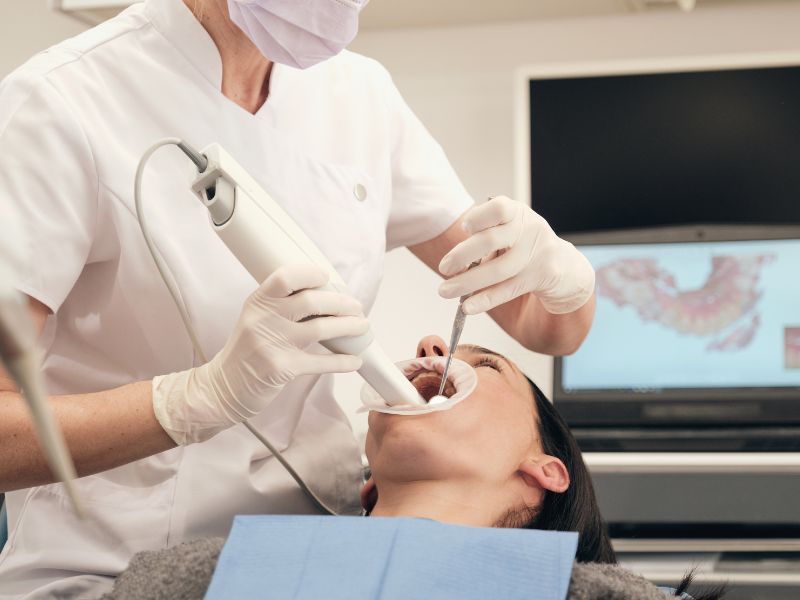
Oral health involves more than maintaining clean teeth and healthy gums. The condition of the tongue, cheeks, lips, throat, and other soft tissues inside the mouth also deserves regular attention. Some changes in these areas may be harmless, while others can indicate an underlying health concern that requires professional evaluation. Oral cancer screening helps identify suspicious changes before they become more advanced.
Understanding what happens during an examination and knowing when to seek professional advice can help people take a more active role in protecting their health. Choosing the Best Oral cancer screening in Brampton means looking for a dental provider who understands the importance of careful examinations, patient education, and appropriate follow-up care.
What Is Oral Cancer Screening?
Oral cancer screening is a visual and physical examination of the mouth and surrounding tissues to identify unusual changes that may require further investigation. Dentists examine areas such as the lips, tongue, gums, inner cheeks, roof and floor of the mouth, and sometimes the throat and neck.
The purpose of screening is to identify suspicious lesions, unusual patches, lumps, or other abnormalities. It is important to understand that a screening examination does not confirm whether someone has cancer. If an unusual area is discovered, additional diagnostic procedures, such as a biopsy, may be necessary.
Routine dental examinations provide an opportunity to check oral tissues alongside teeth and gums, making screening an important part of comprehensive dental care.
Why Is Early Oral Cancer Detection Important?
Early detection can make a meaningful difference in the evaluation and management of oral cancer. When suspicious changes are identified promptly, patients can be referred for appropriate diagnostic assessment without unnecessary delays.
Oral cancer may develop in different parts of the mouth, and early changes are not always painful. Some people may overlook a small ulcer, persistent red patch, or unusual lump because it does not interfere with daily activities.
Regular screening helps address this challenge by encouraging professional assessment rather than relying entirely on symptoms.
Some potential benefits include:
-
Identifying unusual tissue changes at an earlier stage.
-
Recognizing abnormalities that may otherwise go unnoticed.
-
Encouraging timely diagnostic testing when necessary.
-
Supporting awareness of personal risk factors.
-
Promoting a proactive approach to long-term oral health.
Common Warning Signs of Oral Cancer
Knowing the possible warning signs can help individuals recognize when a professional examination is needed. Although these symptoms do not automatically indicate cancer, persistent or unexplained changes should never be ignored.
1. Persistent Mouth Sores
A sore or ulcer that does not heal within approximately two weeks should be evaluated by a dental or medical professional.
2. Red or White Patches
Unusual red or white patches on the tongue, gums, cheeks, or other oral tissues may require further assessment, particularly when they persist.
3. Lumps or Thickened Areas
A new lump, swelling, or thickened area inside the mouth or around the neck should receive professional attention.
4. Difficulty Swallowing or Chewing
Persistent difficulty swallowing, chewing, or moving the tongue may indicate an underlying condition that needs investigation.
5. Unexplained Numbness
Numbness or unusual sensations affecting the tongue, lips, or other areas of the mouth should be discussed with a healthcare professional.
Other possible warning signs include persistent hoarseness, unexplained bleeding, changes in voice, and ongoing throat discomfort.
What Happens During an Oral Cancer Screening?
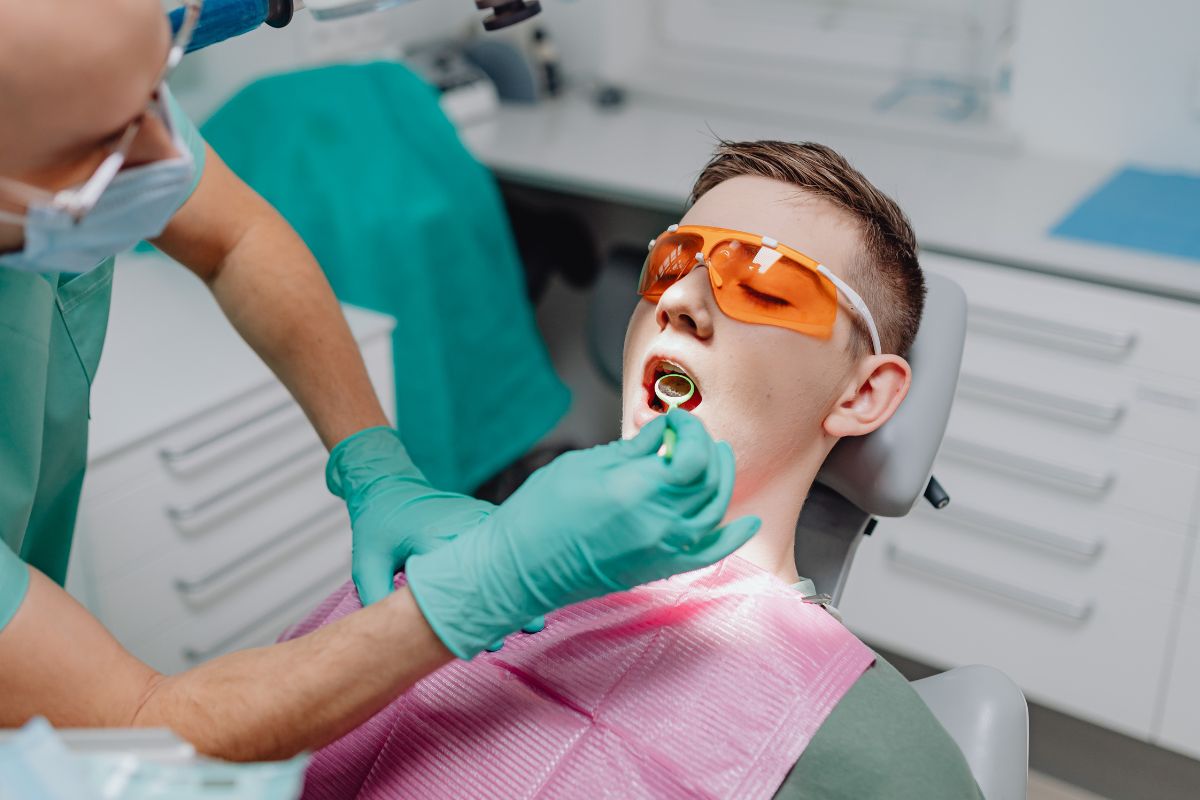
Many people feel more comfortable attending an examination when they understand what it involves. An oral cancer screening is generally straightforward and can often be completed during a routine dental appointment.
Visual Examination
The dentist carefully examines the lips, tongue, cheeks, gums, roof of the mouth, and floor of the mouth. The goal is to identify unusual colours, sores, lesions, or changes in tissue appearance.
Physical Examination
The dentist may gently feel areas inside the mouth and around the jaw and neck to check for lumps, swelling, or unusual tissue changes.
Discussion of Symptoms and Risk Factors
Patients may be asked about persistent mouth sores, tobacco use, alcohol consumption, previous oral health concerns, and other relevant medical history.
Further Assessment When Needed
If an unusual area is identified, the dentist may recommend monitoring it for an appropriate period, arranging additional testing, or referring the patient to a specialist. A biopsy may be required to determine whether abnormal tissue is cancerous.
Who Should Consider Regular Oral Cancer Screening?
Oral cancer can affect different individuals, although certain factors are associated with increased risk.
These include:
-
Tobacco use, including smoking and smokeless tobacco.
-
Heavy alcohol consumption.
-
Previous oral or oropharyngeal cancer.
-
Human papillomavirus (HPV), particularly certain high-risk types associated with oropharyngeal cancer.
-
Increasing age.
-
Prolonged exposure to ultraviolet radiation, which can increase the risk of lip cancer.
People without these risk factors should not assume they are completely protected. Oral cancer can also occur in individuals who do not have recognized risk factors.
Discussing personal health history with a dental professional can help determine an appropriate examination schedule.
How to Choose the Right Oral Cancer Screening Provider
Selecting a dental practice involves considering more than convenience. Patients should look for a provider who performs careful examinations, explains findings clearly, and recommends appropriate follow-up when something unusual is discovered.
Gillingham Drive Dentistry Brampton provides information about oral cancer screening as part of its general and family dental care services. Patients can explore its oral cancer screening service information to understand the examination process and the importance of monitoring changes in oral tissues.
A good screening experience should leave patients informed about their oral health and aware of the next steps if additional evaluation is necessary.
Conclusion
Oral cancer screening is an important part of maintaining overall oral health. Recognizing unusual changes, understanding potential risk factors, and attending regular dental examinations can support earlier identification of suspicious conditions.
When considering the Best Oral cancer screening in Brampton, prioritize professional assessment, clear communication, and appropriate follow-up care. Taking oral health concerns seriously and seeking advice about persistent symptoms can make an important difference in protecting long-term well-being.
What's Your Reaction?
 Like
0
 Dislike
0
 Love
0
 Funny
0
 Angry
0
 Sad
0
 Wow
0