




















Rishikesh Through a New Lens: Yoga Education, Local Traditions and Outdoor Living
Every destination has something different to offer, but some places allow travelers to explore several interests during a single visit.

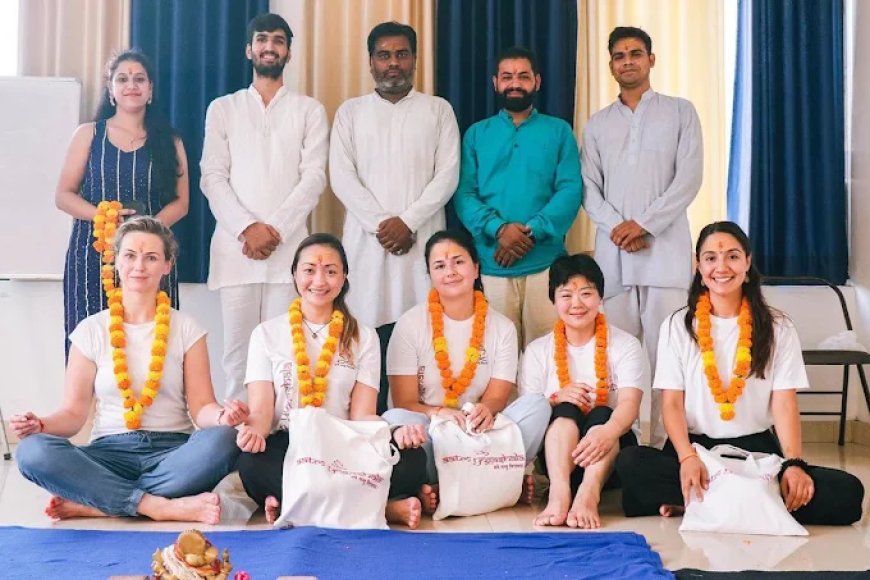
Every destination has something different to offer, but some places allow travelers to explore several interests during a single visit. Rishikesh is one such destination, bringing together yoga education, traditional wellness, river activities, and the natural beauty of the Himalayan foothills. Its connection with the River Ganga and long-standing yoga culture attracts visitors who want to spend their time learning, relaxing, and exploring beyond the usual tourist experience.
A visit to Rishikesh can take many forms. One traveler may arrive to develop professional yoga skills, while another may want a few days of peace away from work. Some visitors are interested in traditional wellness practices, and others prefer outdoor activities that bring them closer to nature. This variety makes it possible to create a journey based on personal interests instead of following a fixed travel plan.
The key is to decide what matters most before arriving. With a little planning, travelers can combine meaningful learning with comfortable accommodation, local exploration, and enough free time to enjoy the surroundings.
Learn Yoga in an Environment That Encourages Practice
Yoga education offers an opportunity to understand the principles behind familiar movements and breathing exercises. A yoga certificate course can introduce students to asanas, pranayama, meditation, body alignment, basic anatomy, and yoga philosophy. It provides a structured starting point for beginners and can also help existing practitioners develop a clearer understanding of their practice.
People who want to explore formal yoga training through a shorter program may consider the 100 hour yoga teacher training Course in Rishikesh. Depending on the school, the curriculum may include foundational postures, breathing methods, meditation, relaxation, and introductory teaching techniques. This format allows students to explore several aspects of yoga without immediately committing to an extended program. It is sensible to check the course syllabus and certificate details before enrolling.
For a broader educational experience, the 200 hour yoga teacher training in rishikesh generally covers both yoga practice and teaching methodology. Students may study Hatha Yoga, Ashtanga Yoga, anatomy, philosophy, pranayama, meditation, sequencing, and practical teaching. These subjects help aspiring instructors understand how to structure a class, demonstrate techniques, and communicate instructions to students with different levels of experience.
Practitioners who already have foundational training may wish to continue their studies through the 300 hour yoga teacher training in Rishikesh. Advanced programs can explore functional anatomy, advanced asanas, posture adjustments, teaching methods, meditation, and pranayama in greater detail. Students should confirm the entry requirements and recognition of the program to ensure that it supports their long-term educational goals.
A good learning experience depends on more than the number of training hours. The teaching approach, practical sessions, class size, daily schedule, and availability of instructor guidance can all influence how much students gain from a course. Comparing these details before making a decision can help learners choose a program that suits their needs.
Make Room for Rest with a Yoga Retreat
Some people travel to Rishikesh to study yoga, while others simply want to step away from their everyday routine. A retreat provides a setting where participants can focus on movement, breathing, meditation, and relaxation without managing their usual daily responsibilities. The duration can be selected according to available time and personal preference.
A 3 days yoga retreat in rishikesh can be a convenient option for weekend travelers or people with limited holidays. A short program may include guided yoga, meditation, breathing exercises, and meals arranged by the retreat provider. It can also introduce beginners to the experience of following a regular wellness schedule.
A 5 days yoga retreat in Rishikesh gives participants additional time to settle into the routine. Regular classes allow them to become familiar with different yoga techniques while leaving room for rest and independent exploration. This duration may work well for people who want a refreshing break without planning a lengthy vacation.
Travelers who want to dedicate an entire week to wellness can explore a 7 days yoga retreat in rishikesh. Seven days offer more opportunities to practice consistently and become comfortable with the daily schedule. Depending on the program, participants may also have time to explore local streets, visit nearby cultural attractions, or enjoy the riverside environment.
A 10 days yoga retreat in Rishikesh can provide a longer period for learning and relaxation. Participants may follow a routine that combines yoga, pranayama, meditation, and personal reflection. The extended stay can also allow more flexibility for exploring the area without rushing between scheduled activities.
For visitors who prefer a two-week experience, a 14 days yoga retreat in Rishikesh provides more time to become familiar with a structured wellness routine. Participants can revisit techniques, ask instructors questions, and balance scheduled sessions with personal time. Before booking, review the accommodation arrangements, meals, class timings, and activities included in the package.
The most suitable retreat is one that fits your schedule and comfort level. A gentle program may be ideal for beginners, while experienced practitioners might prefer a more intensive routine. Taking enough time to rest and enjoy the surroundings can make the experience more rewarding.
Explore Local Wellness Traditions and River Adventures
Rishikesh offers opportunities to learn about traditional Indian wellness practices alongside its yoga programs. These educational experiences can introduce visitors to different approaches to relaxation and lifestyle while providing insight into the cultural traditions associated with the region.
A sound healing course rishikesh may introduce participants to singing bowls, sound baths, chanting, and other sound-based practices used in meditation settings. Depending on the course, students may learn about different instruments and how to organize a guided sound session. People interested in using these techniques professionally should review the practical curriculum, instructor experience, and certificate details before enrolling.
An ayurveda therapy course can provide an introduction to traditional Ayurvedic concepts involving nutrition, lifestyle routines, massage, and wellness practices. The course content may vary from basic theoretical learning to supervised demonstrations of selected techniques. Prospective students should check the program's scope and professional requirements rather than assuming that every short course provides a recognized qualification. Traditional wellness education should not replace appropriate medical care.
For those who want an active experience, Rafting In Rishikesh offers an opportunity to explore selected stretches of the River Ganga with a guided group. Different routes provide different experiences depending on the river conditions, weather, and local safety requirements. Visitors should choose a responsible operator, use appropriate safety equipment, and follow all instructions given by trained guides. Rafting should only take place when conditions are considered suitable.
These activities can complement a yoga-focused visit by adding variety to the schedule. Travelers might spend one day attending classes, another learning about traditional wellness, and a separate day exploring the river or surrounding landscape. Keeping some flexibility in the itinerary makes it easier to rest between activities and adapt to changing conditions.
Bring the Experience Home Through Regular Yoga Practice
A visit to Rishikesh can introduce people to techniques and habits they want to continue after returning home. However, maintaining a routine can be difficult when work, studies, and personal responsibilities become busy again. Online learning provides a convenient way to continue practicing without travelling to a physical studio.
With online yoga classes, students can access guided sessions from home and select timings that suit their schedules. Live lessons may allow direct interaction with teachers, while recorded sessions provide flexibility for people who cannot attend at a fixed time. Programs may include asanas, stretching, pranayama, meditation, and relaxation techniques.
When comparing the best online yoga classes, students should consider instructor qualifications, teaching style, lesson structure, and the availability of modifications for different experience levels. Clear demonstrations and practical guidance can help learners understand movements more confidently. It is also important to select classes appropriate to your abilities and avoid pushing the body into uncomfortable positions.
Building a routine does not require long practice sessions every day. A manageable schedule followed consistently can be easier to maintain than an ambitious plan that quickly becomes difficult. Creating a quiet practice area, selecting suitable lessons, and setting aside a regular time can help yoga become part of everyday life.
Online classes can also support students who want to review techniques introduced during their stay in Rishikesh. Continued learning allows them to revisit familiar practices, explore new subjects, and develop a better understanding of yoga over time.
Plan a Visit That Reflects Your Interests
A rewarding journey begins with choosing experiences that match your priorities. People interested in professional development can compare yoga training programs, while travelers seeking relaxation can select a retreat that fits their available time. Those curious about traditional wellness can investigate educational courses, and adventure enthusiasts can plan suitable outdoor activities.
Practical arrangements should be considered before departure. Check accommodation details, transportation options, meal arrangements, course schedules, and additional charges. Ask training providers about certification and curriculum, and verify safety arrangements before booking river activities. Planning these details early can reduce uncertainty and make the trip easier to manage.
It is equally important to leave some time for unplanned experiences. A walk beside the river, a visit to a local market, or a conversation with another traveler can become a memorable part of the journey. A flexible schedule makes it easier to enjoy these moments instead of constantly moving from one activity to another.
Rishikesh offers a range of experiences for people who want to combine learning, wellness, and outdoor exploration. You do not have to complete every activity during a single trip. Choosing a few meaningful experiences can create a more personal and enjoyable visit.
Whether you come to learn yoga, spend time in a retreat, explore traditional wellness, or experience the natural surroundings, Rishikesh provides opportunities to discover something new. With thoughtful planning and realistic expectations, your journey can offer fresh perspectives and useful experiences that remain valuable long after you return home.
What's Your Reaction?
 Like
0
 Dislike
0
 Love
0
 Funny
0
 Angry
0
 Sad
0
 Wow
0