























Sleep Position After Cataract Surgery Does It Really Matter
Find out whether sleep position affects recovery after cataract surgery in Australia including why the shield matters how to sleep comfortably and what to avoid.

Patients leave the clinic with a long list of instructions and the one about sleeping position often gets the most attention at home. Some are told to sleep on the back others on the opposite side and a few hear conflicting advice from family members. Understanding what actually matters and what is simply habit makes the first week far less stressful.
What the Evidence Actually Says
For routine cataract surgery there is no strong evidence that a specific sleep position improves the outcome. The incision is tiny and seals quickly which means the eye is not dependent on gravity in the way that some other eye operations are. The advice patients receive is usually about protecting the eye from pressure rather than positioning it for drainage.
Why the Eye Shield Is the Real Priority
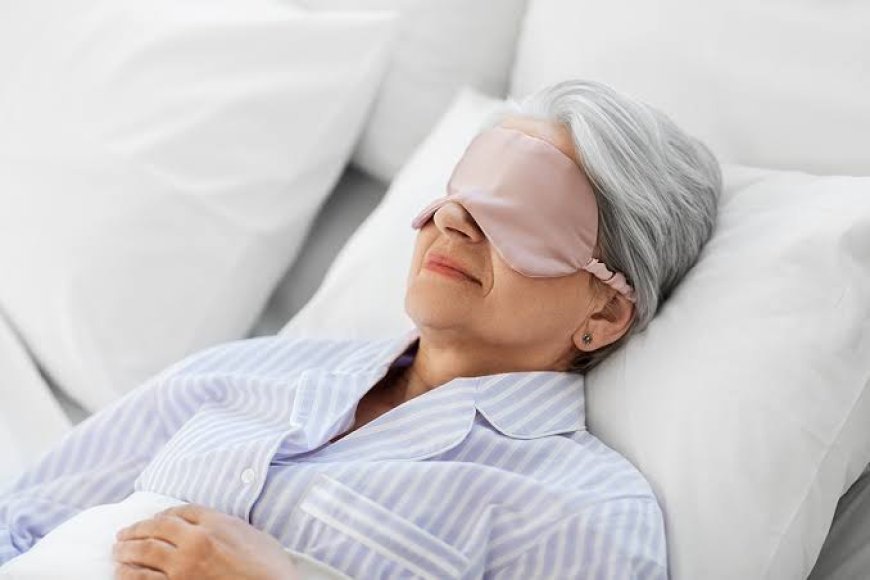
The shield is the part of the routine that genuinely matters because it prevents unconscious rubbing and accidental pressure during sleep. Most surgeons ask for it to be worn for the first week at night and sometimes during daytime naps. It is uncomfortable at first and most patients adapt within two or three nights.
Sleeping on the Back and Its Practical Problems
Back sleeping is often suggested because it keeps the face clear of the pillow and reduces the chance of rolling onto the treated side. The difficulty is that most people do not normally sleep on their back and forcing it produces a poor night rather than a safe one. A slightly raised pillow and a supportive position often works better than rigid rules.
Sleeping on the Side After Surgery
Many patients sleep on one side habitually and switching sides feels unnatural. Sleeping on the side opposite the treated eye is generally comfortable and keeps pressure away from the operated side. Sleeping directly on the treated side in the first week is best avoided simply because the shield can press against the eye.
Managing the First Few Nights
The first nights are the hardest because anxiety and discomfort combine with an unfamiliar routine.
-
Wear the shield every night for the period your surgeon specifies
-
Keep a spare pillow nearby to prevent rolling onto the treated side
-
Place drops and a phone within reach before settling
What to Do About a Partner in Bed
An accidental elbow or a restless partner is a genuine concern in the early days. Some couples sleep in separate rooms for the first week which is a practical solution rather than an overreaction. Others simply place a pillow between them as a barrier. For anyone arranging eye and laser centre gold coast based surgery this is worth discussing at home before the date rather than afterwards.
When Sleeping Becomes Uncomfortable
Persistent pain at night that is worse than during the day deserves a phone call rather than an adjustment of pillows. Increasing redness or a marked change in vision on waking should also prompt a review. Ordinary grittiness that improves after drops is expected and not a cause for concern.
Naps and Daytime Resting
Daytime naps are common in the first days and the same protection applies as at night. The shield can feel excessive for a short nap but the risk of rubbing while half asleep is real. Providers such as eye surgery generally advise keeping it on for any proper sleep rather than only overnight.
Returning to Normal Sleep Habits
After the first week most patients can return to their usual sleeping position because the incision has sealed and the shield is no longer required at night. Comfort usually returns well before that point and the eye feels less foreign. If the second eye is scheduled soon the routine simply repeats.
Final Thoughts
Sleep position after cataract surgery matters far less than protecting the eye from rubbing and pressure and the shield does most of that work. A comfortable arrangement that keeps the treated side clear is better than a rigid rule nobody can follow. The first week is short and most patients find their normal sleep returns quickly.
What's Your Reaction?
 Like
0
 Dislike
0
 Love
0
 Funny
0
 Angry
0
 Sad
0
 Wow
0