
























Cold Smoking Cheese, Fish and Drinks: A Beginner's Guide
Explore cold smoking cheese, fish, and drinks with practical tips, food safety guidance, and cold smoker UAE equipment insights.

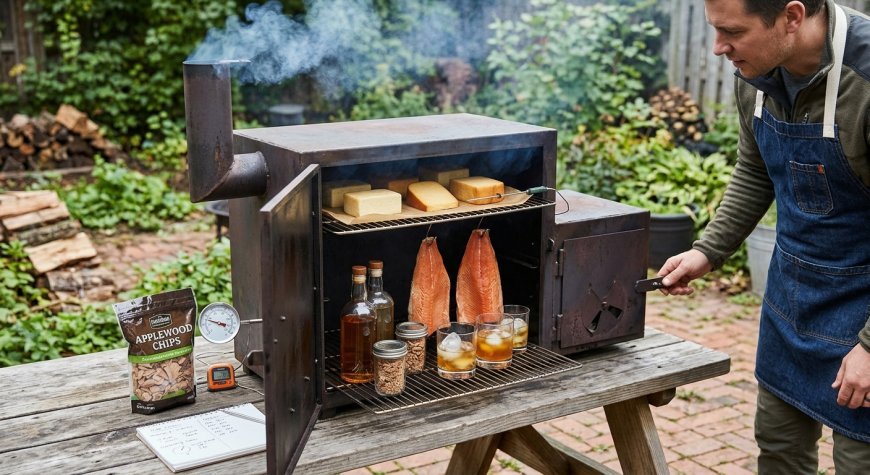
Cold smoking adds a distinctive smoky aroma to food without exposing it to the high temperatures used in traditional hot smoking. From mature cheese and cured fish to cocktails and specialty drinks, the technique offers creative possibilities for home cooks and professional food businesses. For anyone exploring a cold smoker UAE solution, understanding the process, equipment, and food safety requirements is an important first step.
Unlike hot smoking, cold smoking does not cook food. Instead, it exposes ingredients to cool smoke produced by smouldering wood. This allows delicate products to develop a smoky character while retaining much of their original texture.
A suitable Cold Smoke Generator product can make the process more controlled and consistent. However, successful results depend on preparation, temperature management, wood selection, and safe handling.
What Is Cold Smoking and How Does It Work?
Cold smoking is a food-smoking method that uses smoke at relatively low temperatures, generally below 30°C. The exact temperature depends on the ingredient, equipment, and recipe.
The process usually involves three elements:
-
A smoke source: Produces smoke through controlled wood combustion or smouldering.
-
A smoking chamber: Holds the food while allowing smoke to circulate.
-
Ventilation: Helps maintain airflow and remove excess moisture and smoke.
A cold smoke generator produces smoke separately from the food chamber. This separation helps prevent unwanted heat from reaching sensitive ingredients.
The method is particularly useful for foods that benefit from smoky flavour without additional cooking. Nevertheless, cold smoking alone does not preserve food or eliminate harmful bacteria. Proper curing, refrigeration, and food safety procedures remain essential.
Why Cold Smoking Is Popular Among Food Enthusiasts
Cold smoking offers flexibility that traditional grilling and hot smoking cannot always provide. It can enhance delicate ingredients without significantly changing their structure.
Several factors contribute to its popularity.
Developing Complex Flavours
Smoke contains aromatic compounds that interact with food surfaces. Depending on the wood and smoking duration, the resulting flavour can range from mild and sweet to rich and earthy.
Preserving Original Texture
Because the process uses low temperatures, cheese generally retains its structure rather than melting. Similarly, properly prepared fish can develop smoky notes without being cooked by the smoking process.
Creating Premium Food Experiences
Restaurants, speciality food retailers, and home cooks can use cold smoking to create distinctive products. Smoked cheese boards, flavoured seafood, and smoky cocktail ingredients can add variety to menus and presentations.
How to Cold Smoke Cheese Successfully
Cheese is one of the most accessible ingredients for beginners because it does not require the same curing preparation as raw fish. However, temperature control is still essential.
Choose the Right Cheese
Firm and semi-hard cheeses are generally easier to cold smoke. Their structure helps them withstand exposure to smoke without losing shape.
Popular options include:
-
Cheddar
-
Gouda
-
Monterey Jack
-
Swiss cheese
-
Mozzarella blocks
Softer cheeses can also be smoked, but they require greater care because they may become warm or lose structure.
Prepare the Cheese
Before smoking, cheese should be properly chilled and cut into manageable pieces. Smaller blocks allow smoke to reach more surface area.
The surface should be dry because excess moisture can affect smoke absorption. Some beginners allow cheese to rest uncovered in refrigeration before smoking, following appropriate food-handling practices.
Control the Temperature
Cheese can soften or melt when exposed to excessive heat. Therefore, a cold smoking setup should maintain a suitably low chamber temperature.
A practical beginner process includes:
-
Chill the cheese before smoking.
-
Prepare the smoking chamber and generator.
-
Select a mild hardwood.
-
Maintain cool temperatures throughout the process.
-
Monitor the cheese regularly.
-
Refrigerate the cheese immediately after smoking.
Smoking duration should follow a tested recipe rather than an arbitrary time. Excessive smoke exposure can create bitter flavours.
Cold Smoking Fish: Preparation and Food Safety
Fish is another popular ingredient for cold smoking, particularly salmon. However, it requires considerably more preparation and food safety knowledge than cheese.
Unlike cooked fish, cold-smoked fish may remain uncooked. This makes proper handling and processing especially important.
Why Curing Matters
Fish intended for traditional cold smoking generally requires a controlled curing process before smoking. Salt-based curing helps prepare the fish and influences its texture and flavour.
However, curing does not automatically make fish safe. The correct salt concentration, curing time, refrigeration, and handling procedures must follow a validated food safety process.
Important Safety Considerations
Raw or insufficiently processed fish may contain harmful bacteria and parasites. Cold smoking should never be treated as a cooking or sterilisation method.
Important precautions include:
-
Purchase fish from a reputable supplier.
-
Maintain the required refrigeration temperature.
-
Follow validated curing instructions.
-
Use appropriate parasite-control procedures.
-
Prevent cross-contamination.
-
Store finished products under suitable refrigeration.
For commercial production, applicable food safety regulations and professional processing guidance should always be followed.
Choosing Wood for Fish
Mild woods are generally preferred because fish can absorb smoke flavour quickly.
Suitable options may include:
-
Applewood for a mild, slightly sweet aroma.
-
Alder for a traditional seafood smoking profile.
-
Beech for a balanced, clean smoky character.
Strong woods can overpower delicate fish. Beginners should start with a mild flavour and adjust only after evaluating the results.
Cold Smoking Drinks: A Creative Approach to Flavour
Cold smoking is not limited to solid foods. It can also introduce smoky aromas into selected drinks and cocktail ingredients.
Restaurants, bars, and hospitality businesses increasingly use presentation and flavour techniques to create memorable beverage experiences.
Which Drinks Can Be Cold Smoked?
Several ingredients can benefit from controlled smoke exposure:
-
Cocktails: Certain prepared cocktails can absorb a subtle smoky aroma.
-
Water: Smoke-infused water can become an ingredient in experimental beverages.
-
Tea: Selected tea varieties can develop additional aromatic depth.
-
Fruit juices: Some juices can be exposed to smoke for distinctive flavour combinations.
The results depend on the liquid, smoke intensity, wood selection, and exposure time.
How the Process Works
A separate smoking chamber or suitable food-safe smoking vessel can expose beverages to smoke. Some methods use a covered container to retain smoke around the drink.
A basic approach involves:
-
Preparing the beverage in a suitable food-safe vessel.
-
Introducing a controlled amount of cool smoke.
-
Allowing brief exposure.
-
Evaluating the aroma before serving.
-
Adjusting the method for future batches.
Short exposure is usually a sensible starting point. Excessive smoke can create harsh or unpleasant flavours.
Choosing the Right Wood for Different Ingredients
Wood selection has a major influence on the final result. Different varieties produce different aromatic characteristics, making ingredient compatibility an important consideration.
|
Wood Type |
Flavour Profile |
Suitable Applications |
|---|---|---|
|
Apple |
Mild and slightly sweet |
Cheese, fish, drinks |
|
Cherry |
Sweet and fruity |
Cheese, selected meats |
|
Alder |
Light and delicate |
Fish, seafood |
|
Beech |
Balanced and subtle |
Cheese, fish |
|
Oak |
Strong and earthy |
Hard cheese, robust ingredients |
Food-grade, untreated smoking wood should always be used. Painted, chemically treated, or contaminated wood is unsuitable for food smoking.
What to Look for in a Cold Smoker UAE Setup
Choosing suitable equipment is essential for achieving consistent results. A cold smoker UAE setup should support controlled smoke production, reliable airflow, and manageable operation.
A dedicated generator can be useful because it produces smoke separately from the food chamber.
Essential Equipment Features
Before selecting a system, buyers should evaluate the following factors:
1. Consistent Smoke Production
The generator should produce a steady supply of smoke without excessive heat. Consistency helps prevent uneven flavour development.
2. Temperature Management
A reliable setup should allow users to monitor chamber temperature. This is particularly important in warmer environments where external heat can affect cold smoking.
3. Airflow Control
Good ventilation helps smoke circulate through the chamber. Poor airflow can lead to uneven exposure and excessive smoke accumulation.
4. Easy Cleaning
Residue from wood combustion can build up over time. Accessible components make regular cleaning and maintenance easier.
5. Suitable Capacity
Home users may need a compact setup, while restaurants and commercial operators may require larger equipment. Capacity should match the expected production volume.
Why a Cold Smoke Generator Product Matters
A dedicated Cold Smoke Generator product can simplify the smoking process by separating smoke generation from the food chamber.
This arrangement offers several practical advantages:
-
More controlled smoke production.
-
Reduced direct heat exposure.
-
Flexible chamber configurations.
-
Greater control over smoking sessions.
-
Potentially more consistent flavour development.
However, equipment alone cannot guarantee food safety or product quality. Proper operating procedures and ingredient preparation remain equally important.
Common Cold Smoking Mistakes Beginners Should Avoid
Cold smoking may appear straightforward, but small mistakes can affect both flavour and safety.
Using Excessive Smoke
Too much smoke can create bitter, harsh flavours. Gradual exposure and careful evaluation help achieve a more balanced result.
Ignoring Temperature Changes
Warm weather can increase chamber temperatures, particularly in outdoor setups. Regular monitoring is necessary to protect sensitive ingredients.
Choosing Unsuitable Wood
Untreated, food-grade wood is essential. Unknown wood sources can introduce undesirable contaminants and flavours.
Skipping Food Preparation
Fish requires proper curing and validated safety controls. Cold smoking raw fish without suitable preparation can create serious food safety risks.
Neglecting Equipment Maintenance
Ash, residue, and blocked airflow can affect smoke production. Regular cleaning helps maintain reliable operation.
A Beginner's Checklist for Better Results
Before starting a cold smoking session, the following checklist can help maintain consistency:
-
Select an ingredient suitable for cold smoking.
-
Research its preparation and safety requirements.
-
Choose clean, food-grade smoking wood.
-
Check the generator and smoking chamber.
-
Monitor chamber temperature.
-
Maintain suitable airflow.
-
Avoid excessive smoke exposure.
-
Refrigerate perishable ingredients appropriately.
-
Clean the equipment after use.
Following a repeatable process makes it easier to compare batches and refine flavour profiles.
Final Thoughts
Cold smoking offers an interesting way to develop distinctive flavours in cheese, fish, and selected drinks. Success depends on choosing suitable ingredients, controlling smoke exposure, selecting appropriate wood, and following food safety procedures. For buyers exploring a cold smoker UAE setup, equipment quality and temperature management should remain central considerations. A reliable Cold Smoke Generator product can support a more controlled process, while Burnt Carbon provides an option for those interested in developing their outdoor cooking and smoking capabilities.
What's Your Reaction?
 Like
0
 Dislike
0
 Love
0
 Funny
0
 Angry
0
 Sad
0
 Wow
0