






















Substance Dependence Treatment and Rehabilitation in Ludhiana
Explore substance dependence, treatment approaches, medical supervision, counselling, and how to evaluate rehabilitation services in Ludhiana.
Understanding Substance Dependence: Treatment Approaches and Rehabilitation Support in Ludhiana
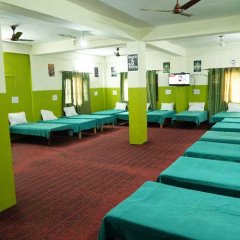
Finding a suitable Nasha Mukti Kendra in Ludhiana can be an important step for individuals and families seeking information about substance dependence and professional treatment options. Addiction is a complex health concern that can affect physical functioning, psychological well-being, family relationships, and the ability to manage everyday responsibilities. Understanding the nature of substance dependence, available treatment approaches, and the standards of responsible rehabilitation can help people make informed decisions about their care.
1. What Is Substance Dependence?
Substance dependence involves patterns of alcohol or drug use that may become difficult to control despite harmful consequences. Some individuals experience strong cravings, develop tolerance, or continue using a substance even when it negatively affects their health, employment, education, or relationships.
The effects vary according to the substance, frequency of use, duration, individual health, and other circumstances. Substance use disorders can also occur alongside anxiety, depression, sleep difficulties, or other health concerns.
A qualified healthcare professional can assess symptoms and determine whether a substance use disorder or another condition may be present.
2. Recognising the Signs That Professional Help May Be Needed
Identifying potential warning signs early can help individuals access appropriate support. Possible signs include:
-
Repeated unsuccessful attempts to reduce or stop substance use.
-
Strong cravings or difficulty controlling consumption.
-
Neglecting family, work, educational, or personal responsibilities.
-
Continuing substance use despite physical, emotional, or financial consequences.
-
Developing tolerance or experiencing withdrawal symptoms.
-
Withdrawing from social activities or experiencing persistent relationship difficulties.
These signs do not independently establish a diagnosis. A professional assessment is necessary to understand the individual's circumstances and treatment needs.
3. Major Approaches to Addiction Treatment
Effective treatment is not limited to a single method. A suitable plan may combine medical care, psychological interventions, social support, and continuing follow-up.
Medical assessment and withdrawal management
Initial assessment helps healthcare professionals understand the person's medical history, substance use patterns, existing health conditions, and potential withdrawal risks.
Withdrawal from alcohol and certain other substances can cause serious complications. Medical supervision may be necessary, and people who may be physically dependent should seek professional guidance before suddenly stopping use.
Psychological counselling
Counselling can help individuals identify triggers, understand patterns of substance use, improve emotional regulation, and develop healthier coping strategies. Depending on clinical needs, treatment may include individual therapy, group counselling, or family-based interventions.

Medication when clinically appropriate
Certain substance use disorders may benefit from evidence-based medications prescribed and monitored by qualified healthcare professionals. The appropriate medication depends on the substance involved, the person's health, and clinical assessment.
Medication should never be selected or discontinued without appropriate professional guidance.
Family education and support
Addiction can affect the entire household. Family education may help relatives understand substance dependence, communicate more effectively, establish healthy boundaries, and support treatment without taking responsibility for every aspect of another person's recovery.
Continuing care and relapse prevention
Treatment planning should consider what happens after an initial programme ends. Follow-up appointments, counselling, peer support, and strategies for managing triggers may help individuals maintain progress and respond constructively to setbacks.
4. Why Local Rehabilitation Decisions Require Careful Evaluation
For families in Ludhiana, choosing a rehabilitation provider involves more than comparing advertisements or programme descriptions. The facility should be able to explain its treatment approach, professional qualifications, patient-safety procedures, and arrangements for continuing care.
Before selecting a centre, consider the following criteria:
Qualified professionals: Ask which medical practitioners and counselling professionals are involved and what their responsibilities are.
Individualised treatment: Treatment should reflect the person's substance use history, physical health, psychological needs, and personal circumstances.
Emergency preparedness: Understand how medical complications and withdrawal emergencies are handled and whether appropriate medical referrals are available.
Patient dignity and privacy: Confirm how personal information is protected and how patients are treated during care.
Transparent costs: Request a written explanation of fees, accommodation charges if applicable, treatment inclusions, and possible additional expenses.
Aftercare planning: Ask how the provider supports patients after the initial treatment period and whether referrals or follow-up appointments are available.
These checks can help families evaluate their options without relying on unsupported claims or promises of guaranteed recovery.
5. The Relationship Between Mental Health and Substance Use
Mental health and substance use can influence each other. Some people use substances while attempting to cope with stress or emotional distress, while substance use itself can contribute to worsening psychological symptoms.
This relationship makes comprehensive assessment particularly important. Where necessary, treatment planning should address both substance-related difficulties and co-occurring mental health concerns.
A qualified professional can help determine which interventions are appropriate and whether specialist mental health care is required.
6. Practical Steps Families Can Take
Families who suspect that a loved one is experiencing substance-related difficulties can take several constructive steps.
First, discuss the concern privately and calmly. Focus on observable changes and health concerns rather than accusations.
Second, encourage an assessment by a qualified healthcare professional. Avoid attempting potentially dangerous detoxification without medical advice.
Third, gather information about treatment options and compare providers using clear criteria, including professional qualifications, safety arrangements, fees, and follow-up services.
Finally, recognise that family members may also need emotional support. Maintaining healthy boundaries and seeking guidance can help families respond more sustainably.
If a person experiences seizures, unconsciousness, severe confusion, or difficulty breathing, seek emergency medical assistance immediately.
7. Evaluating Rehabilitation Information Responsibly
When reviewing information from rehabilitation providers, readers should distinguish between descriptions of services and independently established evidence of outcomes.
Claims of guaranteed cures, permanent recovery for every patient, or identical treatment results should be approached cautiously. Recovery varies according to individual health, substance use history, treatment needs, and ongoing support.
Families should request clear answers to their questions and seek independent medical advice whenever necessary. A responsible decision prioritises patient safety, informed consent, appropriate clinical care, and realistic expectations.
Conclusion
Understanding substance dependence requires a comprehensive view of physical health, psychological well-being, family circumstances, and ongoing recovery needs. Medical assessment, appropriate treatment, counselling, and continuing support can help individuals work towards improved health and quality of life. Families should evaluate rehabilitation providers carefully and prioritise qualified care, patient dignity, transparent costs, and realistic treatment planning.
For further information about local rehabilitation options, visit Nasha Mukti Kendra in Ludhiana and review the available details before contacting a provider or making a treatment decision.
What's Your Reaction?
 Like
0
 Dislike
0
 Love
0
 Funny
0
 Angry
0
 Sad
0
 Wow
0