





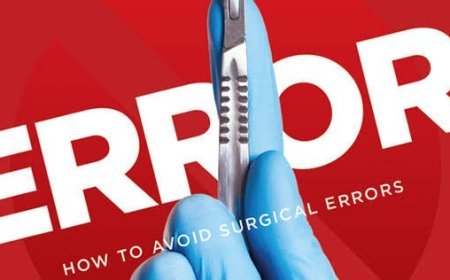





















Surgery Injury Lawyer: Key Factors to Consider After a Surgical Complication
Discover what may cause a surgical injury, how medical negligence is evaluated, what evidence matters, and when legal guidance may be appropriate.

Surgery can provide essential treatment for serious illnesses and injuries, but every procedure involves potential risks. Patients may experience complications even when healthcare professionals follow appropriate procedures. In other situations, an injury may be associated with an avoidable error in diagnosis, preparation, surgical technique, anesthesia, or postoperative care.
When a patient suffers unexpected harm, understanding the difference between a recognized surgical complication and potentially negligent treatment can be difficult. A surgery injury lawyer can help evaluate the circumstances and explain whether the available evidence may justify further legal investigation.
The key issue is generally not simply whether an injury occurred. Instead, the circumstances must be examined to determine what caused the injury and whether the care provided met the applicable professional standard.
Understanding Surgical Injuries
A surgical injury is harm associated with a surgical procedure or the care surrounding it. The injury may occur during preparation, while the operation is being performed, or during the recovery period.
Potential causes can include:
-
Incorrect surgical technique
-
Damage to surrounding tissue or organs
-
Wrong-site or wrong-procedure surgery
-
Medication errors
-
Anesthesia complications
-
Inadequate infection prevention
-
Improper patient positioning
-
Failure to recognize complications
-
Delayed postoperative treatment
-
Communication failures among medical professionals
Some complications are known risks of surgery and may occur despite appropriate care. Others may result from mistakes that could potentially have been avoided.
When Can a Surgical Injury Involve Negligence?
A poor surgical outcome does not automatically establish medical malpractice. The circumstances generally need to be examined against the applicable standard of care.
For instance, a patient may experience bleeding, infection, or another recognized complication even though the medical team acted appropriately. In another situation, a healthcare professional may fail to respond to clear warning signs or make an avoidable technical error that contributes to an injury.
Causation is also important. A potential malpractice claim generally requires evidence connecting the alleged negligent conduct to the patient's injury.
This is why a detailed review of the medical timeline can be more informative than looking at the final outcome alone.
Common Consequences of Surgical Injuries
The effects of a surgical injury can continue long after the original procedure. Depending on its severity, a patient may require additional medical care or experience significant changes to daily life.
Possible consequences include:
-
Additional surgery
-
Extended hospitalization
-
Physical therapy
-
Chronic pain
-
Nerve damage
-
Reduced mobility
-
Organ or tissue damage
-
Permanent impairment
-
Additional medication
-
Lost income
-
Long-term healthcare expenses
Some patients may also require assistance with everyday activities or ongoing rehabilitation.
Keeping documentation of these consequences can help create a clearer picture of the injury's overall impact.
Medical Records Can Reveal the Treatment Timeline
Medical records are often central to evaluating a suspected surgical injury. They may show the patient's condition before the procedure, what occurred during surgery, and how healthcare providers responded afterward.
Important documentation may include:
-
Preoperative evaluations
-
Diagnostic imaging
-
Surgical consent forms
-
Operative reports
-
Anesthesia records
-
Medication records
-
Nursing notes
-
Postoperative assessments
-
Hospital discharge records
-
Follow-up treatment records
Patients should also preserve medical bills, rehabilitation records, prescription information, and employment documentation relating to time missed from work.
A chronological record can help medical and legal professionals identify important events and potential concerns.
Why Expert Medical Review Matters
Surgical procedures can involve highly technical medical decisions. Determining whether a particular action was appropriate may require specialized knowledge that goes beyond reviewing the patient's final outcome.
A qualified medical expert may examine the patient's records and evaluate whether the healthcare provider followed accepted practices. The expert may also assess whether an alleged departure from the appropriate standard of care contributed to the patient's injury.
This review can help distinguish a known surgical complication from an injury potentially caused by negligence.
Surgical Safety Trends in 2026
Healthcare organizations continue to adopt technologies designed to improve surgical planning and patient safety in 2026. Advanced imaging, electronic health records, digital monitoring, robotic-assisted procedures, and electronic medication systems are increasingly integrated into medical care.
These technologies can provide healthcare professionals with additional information before, during, and after surgery. They can also create detailed digital records documenting treatment decisions and patient monitoring.
However, technology does not eliminate human error. Communication, patient identification, clinical judgment, accurate documentation, and appropriate responses to complications remain important elements of surgical safety.
What Should You Do After a Surgical Injury?
If you experience an unexpected injury after surgery, obtaining appropriate medical attention should be your first priority. Another qualified healthcare professional may be able to evaluate the injury and recommend necessary treatment.
Patients should also preserve relevant medical records and document subsequent appointments, procedures, medications, expenses, and other consequences.
Maintaining a written timeline can be particularly helpful. Record when symptoms appeared, when healthcare providers were contacted, what treatment was recommended, and how the condition developed.
At the same time, avoid assuming that a complication automatically means negligence. A professional medical and legal review is more reliable than drawing conclusions from the outcome alone.
When Should You Seek Legal Guidance?
If a surgical injury results in additional procedures, prolonged treatment, permanent impairment, substantial expenses, or other serious consequences, speaking with a surgery injury lawyer may help clarify your potential options.
An attorney can review available documentation and identify issues that may require further investigation. Depending on the circumstances, medical experts may be consulted to assess the standard of care and causation.
Legal guidance may also help patients understand procedural requirements and applicable deadlines, which can vary depending on where the treatment occurred and the specific circumstances involved.
Taking the Next Step After a Surgical Injury
A surgical injury can create uncertainty about recovery, finances, and future medical needs. Determining what caused the injury is an important part of understanding what options may be available.
Not every complication is preventable, and not every unexpected outcome indicates negligence. However, when the available evidence suggests that an avoidable error may have contributed to significant harm, a careful review can help clarify the situation.
Patients can take practical steps by prioritizing medical care, preserving records, documenting the effects of the injury, and seeking qualified legal guidance when appropriate. A thorough evaluation of the treatment timeline and medical evidence can provide a clearer foundation for making informed decisions after a surgical injury.
What's Your Reaction?
 Like
0
Like
0
 Dislike
0
Dislike
0
 Love
0
Love
0
 Funny
0
Funny
0
 Angry
0
Angry
0
 Sad
0
Sad
0
 Wow
0
Wow
0