























Neuropathy Specialist: Complete Guide to Nerve Pain and Neuropathy Care
Learn about neuropathy symptoms, causes, diagnosis, and treatment. Consult Dr. Ranjan Kumar for expert neurological care and personalized neuropathy management.

Nerve problems can cause symptoms such as tingling, numbness, burning pain, weakness, or unusual sensations in the hands and feet. These symptoms may be related to neuropathy, a condition that affects the nerves outside the brain and spinal cord. Consulting a qualified Neuropathy Specialist can help identify the underlying cause and guide appropriate treatment.
What Is Neuropathy?
Neuropathy occurs when one or more nerves become damaged or stop functioning properly. It commonly affects the nerves in the hands, feet, arms, or legs. Diabetes is a common cause, but neuropathy can also develop due to vitamin deficiencies, certain medications, infections, alcohol use, autoimmune conditions, or other neurological disorders.
Common Symptoms of Neuropathy
Symptoms can vary depending on the nerves involved. Common signs include:
-
Tingling or “pins and needles”
-
Numbness in the hands or feet
-
Burning or sharp nerve pain
-
Increased sensitivity to touch
-
Muscle weakness
-
Balance or walking difficulties
-
Reduced ability to feel temperature or pain
Persistent symptoms should be evaluated rather than ignored, especially when they gradually worsen or interfere with everyday activities.
When Should You See a Neuropathy Specialist?
A Neuropathy Specialist can assess unexplained nerve symptoms and determine whether they are caused by peripheral neuropathy or another neurological condition.
You should consider a consultation if you experience persistent numbness, burning sensations, unexplained weakness, recurring nerve pain, or difficulty maintaining balance.
Why Early Evaluation Matters
Early evaluation may help identify treatable causes of nerve damage. A specialist can review your medical history, symptoms, medications, and risk factors before recommending appropriate investigations and treatment.
How Is Neuropathy Diagnosed?
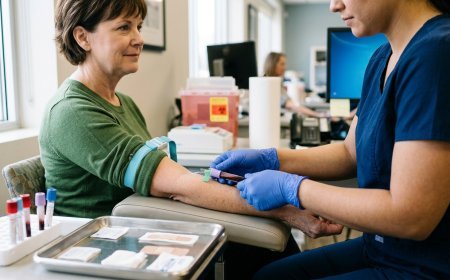
Diagnosis usually begins with a detailed medical history and neurological examination. Depending on the symptoms, a doctor may recommend blood tests to look for conditions such as vitamin deficiencies or diabetes.
Nerve conduction studies and electromyography (EMG) may also be used to assess how well nerves and muscles are functioning. Additional imaging or tests may be recommended when another neurological or spinal condition is suspected.
Neuropathy Treatment and Management
Treatment depends on the underlying cause and the type and severity of nerve involvement. Management may include treating an underlying condition, prescribed medicines for nerve pain, nutritional correction when appropriate, physical therapy, and lifestyle changes.
Patients should avoid self-medicating for persistent nerve pain because the correct treatment depends on identifying the cause.
Neurological Care by Dr. Ranjan Kumar
Dr. Ranjan Kumar provides neurological evaluation and care for patients experiencing nerve-related symptoms and neurological disorders. A personalized assessment can help determine the possible cause of neuropathy and develop an appropriate management plan based on individual needs.
Conclusion
Persistent tingling, numbness, burning pain, or weakness should not be ignored. Consulting a Neuropathy Specialist can help identify the underlying cause and provide a suitable treatment and management approach. With appropriate evaluation and ongoing care, patients can better understand their symptoms and take steps toward protecting their nerve health.
Frequently Asked Questions
What does a Neuropathy Specialist treat?
A Neuropathy Specialist evaluates and manages nerve-related problems such as numbness, tingling, burning pain, weakness, and other symptoms associated with peripheral nerve disorders.
Can diabetes cause neuropathy?
Yes. Diabetes is a common cause of peripheral neuropathy. Maintaining appropriate blood sugar control and receiving medical evaluation can be important for managing nerve-related complications.
Can neuropathy be cured?
The outcome depends on its underlying cause. Some causes may be treatable or reversible, while other forms may require long-term symptom management.
Is numbness in the feet always neuropathy?
No. Numbness can have several causes, including nerve compression, spinal problems, circulation-related conditions, nutritional deficiencies, and neurological disorders. A proper evaluation is needed to determine the cause.
What's Your Reaction?
 Like
0
Like
0
 Dislike
0
Dislike
0
 Love
0
Love
0
 Funny
0
Funny
0
 Angry
0
Angry
0
 Sad
0
Sad
0
 Wow
0
Wow
0