

























The Right Way to Brew Ashwagandha Tea for Smooth Flavour
Learn how to brew ashwagandha tea properly for a smooth, enjoyable flavour, with simple tips for preparation, steeping time, and serving.

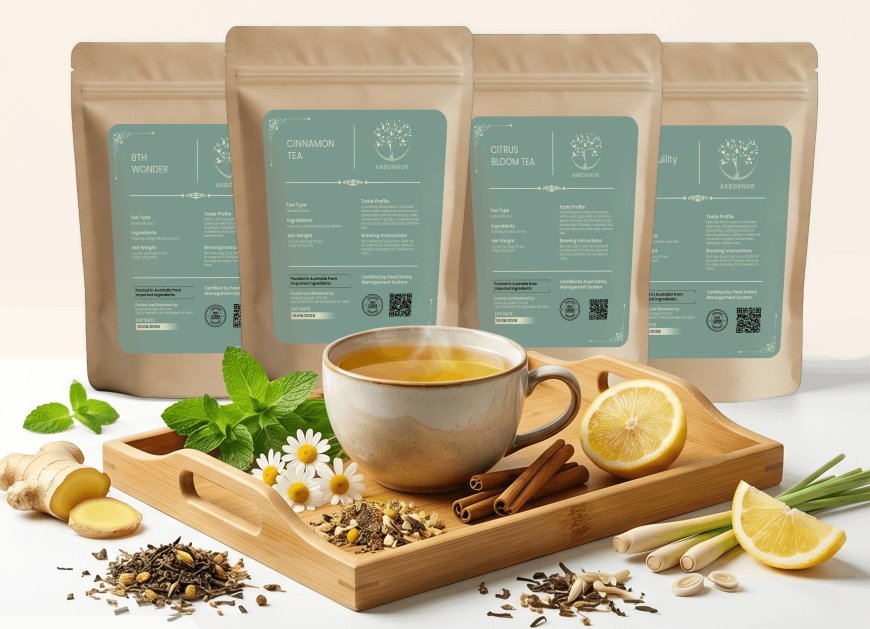
A great cup of tea is rarely an accident. The same herb can taste rich and comforting one day and flat or bitter the next, and the difference usually comes down to how it was prepared. Water temperature, steeping time, and the form of the herb all shape what ends up in your mug.
Ashwagandha is a root, and roots behave differently from delicate leaves or flowers. They are dense and fibrous, so they need a little more time and heat to release their flavour. If you treat them like a green tea bag, you will probably be disappointed.
The good news is that brewing it well is simple once you know the basics, and this guide walks you through each step so that when you buy ashwagandha tea, you can turn it into a smooth, balanced cup every time.
Know What You Are Brewing
Before you pick up the kettle, check the form of your tea. Ashwagandha tea usually comes in one of three styles, and each calls for a slightly different method.
Tea Bags
Tea bags contain finely cut or coarsely ground root, sometimes mixed with other herbs. They are the most convenient option and suit people who want a quick cup at work or at home. Because the particles are small, they release flavour faster than whole pieces.
Loose Cut Root
Loose tea is made of small dried pieces of root. It offers the fullest flavour and gives you control over strength, but it needs a strainer or infuser. This form benefits most from a longer steep or a gentle simmer.
Blends
Many brands combine ashwagandha with ingredients such as cinnamon, ginger, cardamom, tulsi, or liquorice. Blends are usually easier on the palate, and the brewing directions on the pack are written with that mix in mind, so follow them closely.
The Basic Method for a Tea Bag
This is the simplest way to make a reliable cup.
Step One: Use Fresh Water
Start with fresh, cold water in the kettle. Water that has been boiled several times loses oxygen and can make tea taste dull. If your tap water has a strong taste, use filtered water.
Step Two: Heat to Just Off the Boil
Roots are tough, so they handle hot water well. Bring the kettle to a full boil, then let it sit for about thirty seconds before pouring. This keeps the water hot enough to extract flavour without scorching the herb.
Step Three: Steep for Five to Ten Minutes
Pour about two hundred and fifty millilitres of water over the bag and cover the cup with a saucer or small plate. Covering keeps the aromatic compounds in the cup instead of letting them escape as steam.
Five minutes gives a lighter cup. Ten minutes gives a deeper, earthier taste and a stronger body. If you have never tried it before, begin at five minutes and extend the time next round if you want more depth.
Step Four: Taste Before You Sweeten
Remove the bag, give the tea a gentle stir, and take a sip. Some people enjoy the natural earthiness without anything added. Others like a small drizzle of honey, a teaspoon of maple syrup, or a splash of warm milk.
The Stronger Method for Loose Root
Loose root rewards a little patience. Many traditional preparations use a simmer rather than a quick steep, and this approach works well at home.
Add one teaspoon of dried root pieces to about three hundred millilitres of cold water in a small saucepan. Bring it to a gentle simmer over low heat, then let it bubble softly for ten to fifteen minutes with the lid partly on. Strain it into a cup and taste it.
This method gives a darker, more robust tea. It is closer to the style used in traditional Ayurvedic practice, where roots are often simmered to draw out their properties. It also works nicely if you want to add a slice of fresh ginger or a cinnamon stick to the pot.
Fixing Common Problems
Even with good technique, a cup can go wrong. Here are the issues people run into most often and how to solve them.
The Tea Tastes Too Bitter
Bitterness usually means the steeping time was too long or the amount of herb was too high. Shorten the time by a couple of minutes or use a little less root. Adding a pinch of cinnamon or a thin slice of orange peel can also round out sharp edges.
The Tea Tastes Weak or Watery
A thin cup suggests the water was not hot enough, or the steep was too short. Make sure the water is freshly boiled and give it the full time. With loose root, a short simmer makes a noticeable difference.
The Flavour Is Dusty or Stale
Dried herbs lose aroma as they age, especially if the pack has been left open or kept in a warm spot. Check the best before date and store your tea properly. If it smells like cardboard when you open the pack, it has probably passed its best.
Ways to Change the Flavour
Once you are comfortable with the basics, a few small additions can change the cup completely.
Warm spices work especially well with the earthy base. A pinch of cinnamon, a crushed cardamom pod, or a slice of ginger adds depth and a hint of sweetness. A twist of orange or lemon peel brings brightness. For a creamy version, stir in warm oat or almond milk and a little honey to make something close to a bedtime latte.
Iced versions are popular in warm weather. Brew the tea slightly stronger, let it cool at room temperature, then pour it over ice. A few mint leaves and a squeeze of lemon turn it into a refreshing afternoon drink.
Storing Your Tea So It Stays Fresh
Good brewing starts with good storage. Keep your tea in a sealed, airtight container away from direct light, heat, and moisture. A pantry cupboard is better than a shelf above the stove or a sunny windowsill.
Dried roots hold up better than delicate leaves, but they still fade. Try to use an opened pack within a few months for the best flavour. Avoid storing tea next to strongly scented items such as coffee or spices, because the herb can absorb their smells.
Humidity is worth thinking about too. In tropical or coastal parts of Australia, damp air can creep into packaging. A sealed tin or glass jar with a tight lid offers better protection than the original bag once it has been opened.
Choosing Tea That Brews Well
Even perfect technique cannot rescue poor ingredients. Look for tea made from clean, dried root with a pleasant earthy smell and no visible dust or dark clumps. Clear labelling that names Withania somnifera and the plant part used is a good sign.
When you buy ashwagandha tea in Australia from a local seller, you also benefit from stock that has travelled a shorter distance and has had less time to lose its aroma. That freshness shows up in the cup.
Final Thoughts
Brewing ashwagandha tea well comes down to a few reliable habits. Use fresh water, pour it just off the boil, cover the cup, and allow enough time for the root to give up its flavour. Loose-leaf tea benefits from a gentle simmer, while tea bags do best with a five- to ten-minute steep.
If the cup tastes bitter, shorten the time. If it tastes weak, extend it. Store your tea airtight and away from light so every cup stays as fresh as the first.
For a range of herbal teas that suit these brewing methods, Arbornur is a friendly place to start, and a good brew is only a few minutes away once your pack arrives.
What's Your Reaction?
 Like
0
Like
0
 Dislike
0
Dislike
0
 Love
0
Love
0
 Funny
0
Funny
0
 Angry
0
Angry
0
 Sad
0
Sad
0
 Wow
0
Wow
0