

























Top Indian Restaurants in Central London: How Traditional Kitchen Practices Influence Modern Food Quality
Explore how traditional kitchen practices influence modern food quality, flavour, freshness and authentic dining experiences at Indian restaurants in Central London.

Central London has a diverse food culture shaped by international influences, changing lifestyles and evolving customer expectations. Among its many culinary traditions, Indian cuisine holds a distinctive place because of its regional diversity, established cooking techniques and complex approach to flavour. When discussing Top Indian Restaurants in Central London, food quality should be considered beyond presentation or convenience. Traditional kitchen practices, ingredient handling, cooking discipline and consistency all contribute to a memorable dining experience.
Modern restaurant kitchens operate in a demanding environment where efficiency and customer satisfaction matter. However, maintaining traditional culinary principles can help businesses preserve the character of Indian cuisine while meeting contemporary expectations. Understanding this connection provides valuable insight into how established cooking practices continue to influence food quality across London's dining landscape.
Understanding the Importance of Traditional Indian Kitchen Practices
Traditional Indian cooking is built around patience, preparation and an understanding of ingredients. Many established techniques have developed through generations of culinary experience, with different regions using distinctive approaches to seasoning, heat management and preparation.
These practices are not simply about following old recipes. They involve understanding how ingredients interact, how cooking temperatures influence texture and how preparation methods affect the final flavour.
Some important principles include:
-
Preparing ingredients carefully before cooking.
-
Using balanced seasoning rather than relying on excessive spice.
-
Controlling heat throughout the cooking process.
-
Allowing appropriate preparation and cooking time.
-
Maintaining consistency through established kitchen procedures.
-
Following proper hygiene and food-handling practices.
These principles remain relevant in modern professional kitchens because they support reliable preparation and help maintain the intended character of traditional cuisine.
How Traditional Cooking Techniques Influence Food Quality
Cooking techniques have a direct influence on the texture, aroma and overall quality of food. Indian cuisine includes numerous methods that require attention to timing, temperature and ingredient preparation.
Slow cooking, for example, allows flavours to develop gradually. Similarly, controlled heat management helps prevent uneven cooking and supports a consistent result. The value of these techniques lies in understanding when and how they should be applied.
Traditional methods can also provide a useful foundation for modern kitchen operations. Chefs can combine established cooking knowledge with contemporary equipment and organised preparation systems without losing the essential character of the cuisine.
For restaurants in Central London, this balance is particularly important. Customers have varied expectations, and maintaining dependable food quality requires both culinary knowledge and efficient kitchen management.
Ingredient Preparation: The Foundation of Consistent Quality
Food quality begins long before cooking starts. Ingredient selection, storage, cleaning and preparation influence the final result.
Traditional Indian cooking often involves careful preparation of aromatic ingredients and seasonings. Their proportions and preparation methods can affect the balance of flavour throughout a dish.
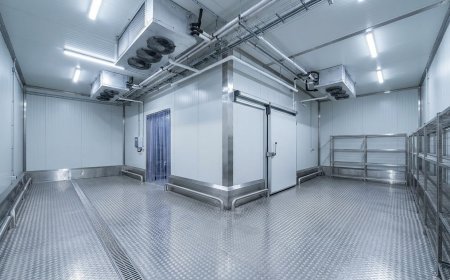
Modern professional kitchens must support these practices with appropriate storage systems, clear preparation schedules and careful handling procedures.
Important considerations include:
-
Selecting ingredients suitable for their intended preparation.
-
Maintaining appropriate storage temperatures.
-
Separating raw and ready-to-eat ingredients.
-
Cleaning preparation surfaces and equipment regularly.
-
Following established procedures to minimise cross-contamination.
-
Monitoring ingredient freshness and storage conditions.
These measures help create a reliable foundation for food quality. They also demonstrate that traditional cooking knowledge and modern food safety standards should work together rather than compete.
The Role of Temperature Control in Modern Indian Kitchens
Temperature management is one of the most important aspects of professional food preparation. Traditional cooking methods often depend on carefully controlled heat, while modern food safety requirements provide measurable standards for safe preparation.
According to the UK Food Standards Agency, standard advice is to cook food until its core temperature reaches 70°C for two minutes. Other recognised combinations include 75°C for 30 seconds and 80°C for six seconds. These standards help food businesses ensure that potentially harmful bacteria are eliminated through appropriate cooking.
Temperature control also matters when storing and holding prepared food. The FSA advises that hot food held before serving should generally remain at or above 63°C. Reheating should make food steaming hot throughout, and food should only be reheated once.
For professional kitchens, combining these safety requirements with traditional cooking techniques helps support both consistency and responsible food preparation.
What Food Safety Statistics Reveal About Modern Customer Expectations
Food safety and hygiene have become important considerations when people choose where to eat. Customers increasingly recognise that quality involves more than taste and presentation.
The Food Standards Agency's Food and You 2: Wave 11 research provides useful insight into consumer attitudes. The survey collected responses from 5,898 adults across England, Wales and Northern Ireland, with fieldwork conducted between May and August 2025.
Some notable findings include:
-
94% of respondents were confident that the food they bought was safe to eat.
-
92% had previously seen a Food Hygiene Rating Scheme sticker.
-
55% had checked a food business's hygiene rating during the previous 12 months.
-
71% of respondents with food hypersensitivities felt comfortable asking staff for additional allergy information when eating out.
These findings highlight the importance of food safety awareness, transparent communication and responsible kitchen management.
For restaurants serving Central London's diverse population, these considerations are especially relevant. Clear allergen communication, careful preparation and consistent hygiene procedures help establish customer confidence.
Balancing Traditional Methods with Modern Kitchen Technology
Modern restaurant kitchens have access to equipment and management systems that can improve preparation accuracy and operational efficiency. However, technology should support culinary skills rather than replace them.
Temperature monitoring, refrigeration systems, extraction equipment and organised kitchen layouts can help staff maintain appropriate working conditions. Digital ordering and kitchen management systems can also improve communication between service teams and kitchen staff.
Traditional knowledge remains equally important. Understanding how ingredients behave under different cooking conditions requires practical experience and attention to detail.
A balanced modern kitchen can benefit from:
-
Standardised preparation: Consistent procedures help maintain quality across different working shifts.
-
Temperature monitoring: Appropriate equipment supports safe cooking, storage and holding.
-
Staff training: Experienced and trained staff can apply established techniques consistently.
-
Organised workflows: Clear preparation areas help reduce unnecessary delays and handling errors.
-
Quality checks: Regular monitoring helps identify inconsistencies before food reaches customers.
The combination of these practices allows restaurants to maintain culinary identity while adapting to modern operational requirements.
Why Consistency Matters Across Central London
Central London attracts residents, professionals, visitors and international travellers. This creates a dining environment where restaurants must understand different preferences while maintaining dependable standards.
Consistency is particularly important because customers expect the same attention to quality whenever they return. A well-managed kitchen achieves this through documented procedures, staff coordination and careful supervision.
Traditional kitchen practices can contribute to this reliability by providing established preparation methods and a clear understanding of how food should be cooked and presented.
For businesses operating around Edgware Road and Tyburnia, maintaining this balance can help create a dining experience that reflects Indian culinary heritage while fitting naturally into London's contemporary food culture.
The Importance of Hygiene, Training and Responsible Preparation
Even the most established cooking techniques cannot deliver dependable food quality without proper hygiene and staff training. Every stage of professional food preparation requires attention, from receiving ingredients to final service.
The Food Standards Agency's Safer Food, Better Business guidance provides practical information for food businesses, including cleaning, chilling, cooking and preventing cross-contamination.
A responsible kitchen should prioritise:
-
Regular cleaning and sanitisation.
-
Appropriate refrigeration and storage.
-
Separate handling procedures for different ingredients.
-
Accurate cooking temperature checks.
-
Clear allergen information.
-
Ongoing employee training.
These practices support a professional environment where traditional culinary methods can be applied safely and consistently.
How Traditional Values Shape the Future of Indian Dining
The future of Indian dining in London will continue to be influenced by changing customer expectations, operational developments and greater awareness of food quality. Nevertheless, traditional kitchen values remain an important foundation.
Respect for ingredients, careful preparation, balanced flavours and controlled cooking are principles that can adapt to different restaurant formats and modern service environments.
The Top Indian Restaurants in Central London can be understood through these wider quality considerations rather than appearance or convenience alone. A thoughtful approach to food preparation helps preserve culinary traditions while responding to the expectations of contemporary diners.
Conclusion
Traditional kitchen practices continue to influence modern Indian food quality by providing a foundation for preparation, flavour development, consistency and responsible cooking. When combined with modern equipment, food safety procedures and effective kitchen management, these established techniques can contribute to a more dependable dining experience.
In London's competitive and culturally diverse food environment, maintaining this connection between culinary heritage and modern standards is particularly valuable. Restaurants that respect traditional cooking principles while prioritising hygiene, freshness and consistency can help keep Indian cuisine relevant to changing dining expectations.
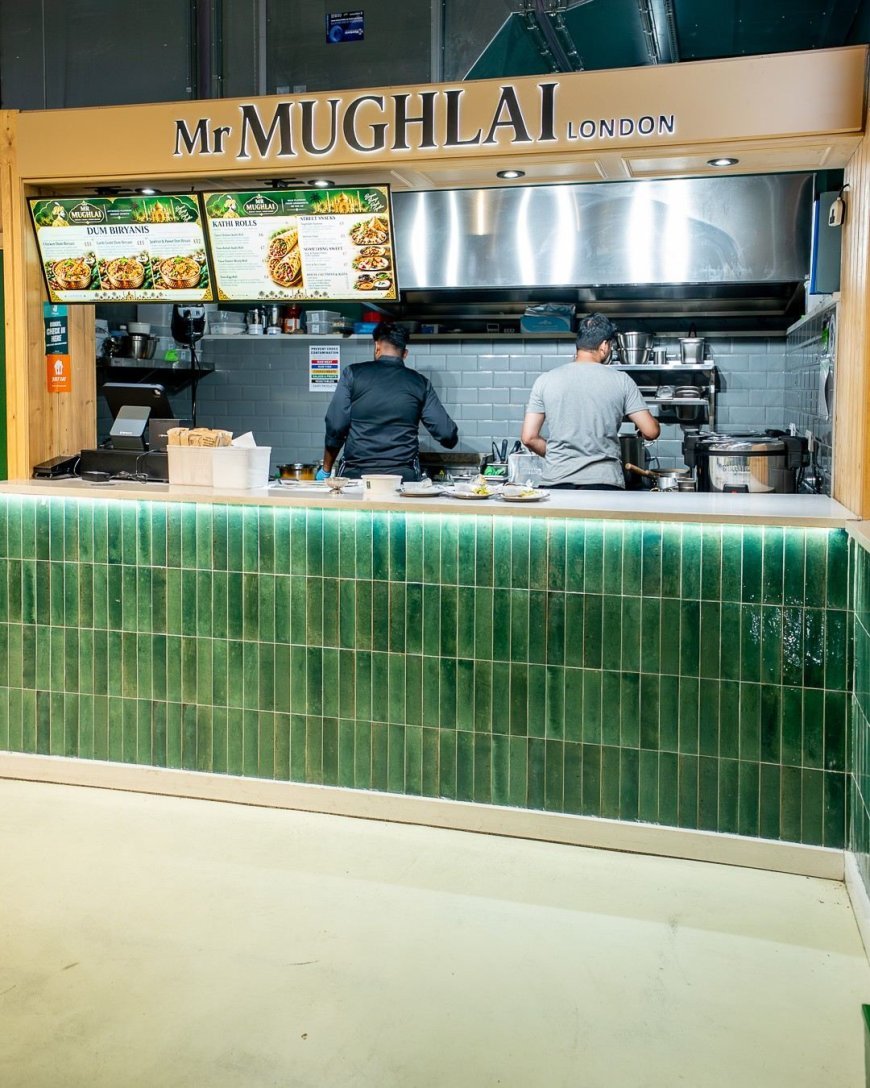
Mr Mughlai London brings Mughlai culinary influences to the Edgware Road area of Tyburnia, combining traditional inspiration with a modern approach to Indian dining in London.
Connect with Mr Mughlai London
-
Business Name: Mr Mughlai London
-
Address: 145-147 Edgware Road, Tyburnia, London, W2 2HR, United Kingdom
-
Mobile: +44 7700 012345
-
Email: admin@mrmughlailondon.com
What's Your Reaction?
 Like
0
 Dislike
0
 Love
0
 Funny
0
 Angry
0
 Sad
0
 Wow
0