





















Upper Blepharoplasty in London: How Can Eyelid Surgery Support a More Refreshed Appearance?
Discover how upper blepharoplasty in London can address excess eyelid skin and create a more refreshed, natural-looking appearance.
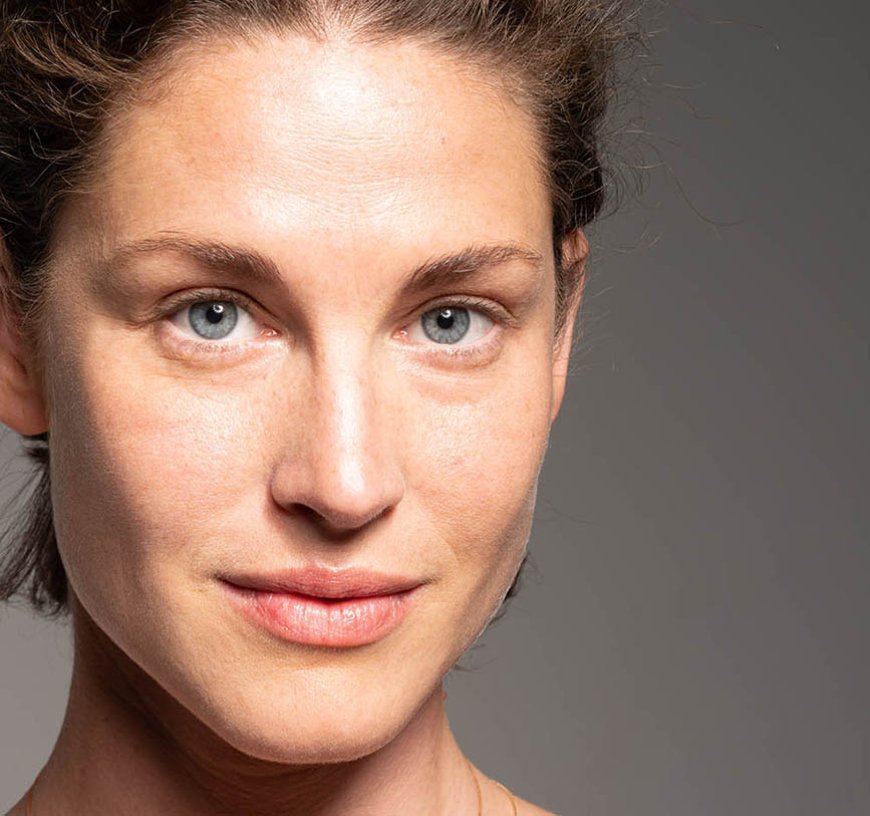
The eyes play an important role in facial expression, often influencing how rested, alert, and youthful a person appears. However, as the skin around the eyes changes with age, the upper eyelids may gradually develop excess skin, a heavier appearance, or folds that make the eyes look tired. These changes can occur even when someone feels energetic and well-rested. For individuals who want to address these concerns, upper eyelid surgery may offer a way to achieve a more refreshed appearance while preserving their natural facial features.
Upper Blepharoplasty in London is a procedure designed to address excess skin around the upper eyelids. By carefully assessing the eyelid structure and the surrounding facial anatomy, a qualified surgeon can determine whether removing a measured amount of skin may help create a more open and balanced appearance. The aim is not to change a person's identity or dramatically alter their expression, but to achieve an outcome that complements their existing features.
Understanding how the procedure works, who may benefit from it, and what to expect during recovery can help individuals make informed decisions about their treatment options.
Understanding Upper Blepharoplasty and Its Purpose
Upper blepharoplasty is a surgical procedure that focuses on the upper eyelids. It is commonly considered by people who have developed excess skin, prominent folds, or a heavier appearance around the eyes.
The skin around the eyelids is delicate and can change over time due to natural ageing, genetics, and individual differences in skin elasticity. As these changes develop, the upper eyelid crease may become less visible, and additional skin may rest over the natural fold.
For some people, these changes are primarily cosmetic. Others may find that excess upper eyelid skin interferes with the application of makeup or, in certain cases, contributes to reduced upper visual field function.
The purpose of surgery is to assess these concerns individually and determine whether a procedure could improve the appearance or function of the eyelids. Treatment planning should account for the person's facial proportions, eyelid position, skin quality, and expectations.
How Upper Eyelid Surgery Can Create a More Refreshed Appearance
A refreshed appearance does not necessarily require a dramatic change. In many cases, subtle improvements around the eyes can make the face appear more alert and balanced.
Reducing Excess Skin on the Upper Eyelids
One of the main reasons people consider Upper Eyelid Surgery In London is the presence of loose skin that creates a heavy fold above the eyelashes.
During upper blepharoplasty, the surgeon evaluates how much skin can be removed while maintaining appropriate eyelid closure and preserving a natural contour. The planned incision is generally placed within the natural upper eyelid crease, helping the resulting scar become less noticeable as healing progresses.
Removing an appropriate amount of excess skin may allow the eyelid crease to appear more defined. The objective is to improve the existing eyelid shape rather than create an excessively hollow or stretched appearance.
Making the Eyes Look More Open
Excess skin can partly conceal the natural shape of the upper eyelid. When this occurs, the eyes may appear smaller or less defined, particularly when viewed from the front.
Carefully planned surgery may help reveal more of the natural eyelid contour. This can create a more open appearance without changing the fundamental shape of the eyes.
However, the result depends on the underlying anatomy. Some individuals have naturally hooded eyelids, while others experience changes associated with ageing or altered eyelid position. A consultation helps establish whether excess skin is the main concern and whether upper blepharoplasty is appropriate.
Softening a Tired or Heavy Expression
The appearance of tiredness is not always related to sleep or energy levels. Excess skin around the eyes can contribute to a heavier expression, making someone appear fatigued even when they feel well.
By addressing the extra skin, upper blepharoplasty may help the eyes appear more rested and refreshed. The improvement is usually intended to be subtle, allowing the person's natural expressions to remain recognisable.
It is important to understand that eyelid surgery does not treat every cause of a tired appearance. Under-eye hollows, dark circles, brow position, and skin discolouration may require different approaches.
What Causes Changes in the Upper Eyelids?
Several factors can contribute to changes in upper eyelid appearance, and understanding these factors helps explain why treatment needs differ between individuals.
Natural Ageing and Skin Elasticity
Over time, the skin gradually loses some of its elasticity. The tissues supporting the eyelids may also change, allowing skin to become looser and folds to become more prominent.
These changes develop at different rates. Some individuals notice excess skin relatively early, while others maintain a defined upper eyelid crease for many years.
Genetic Facial Features
Genetics can influence eyelid shape, brow position, skin thickness, and the natural distribution of soft tissue around the eyes. A person may have hooded upper eyelids from an early age, even without significant age-related changes.
A surgeon should distinguish between a naturally hooded eyelid and excess skin that has developed over time. This assessment helps establish realistic goals and avoid removing more skin than necessary.
Changes in Brow Position
The position of the eyebrows affects how the upper eyelids look. When the brows sit lower, the skin between the brow and eyelashes may appear heavier.
In these circumstances, upper blepharoplasty alone may not address the main concern. A clinical assessment can help determine whether the appearance is primarily caused by excess eyelid skin, brow position, or a combination of factors.
Who May Consider Upper Blepharoplasty in London?
Upper blepharoplasty may be suitable for adults who are concerned about excess upper eyelid skin and want to explore a surgical option for improving their appearance.
Potential candidates may include individuals who:
- Have loose or excess skin around the upper eyelids.
- Notice that their natural eyelid crease has become less visible.
- Feel that their eyes look heavier or more tired than they would like.
- Have difficulty applying eye makeup because of overlapping skin.
- Experience visual field obstruction that may be associated with excess upper eyelid tissue.
- Prefer a procedure that focuses specifically on the upper eyelids.
Suitability cannot be determined from appearance alone. A surgeon needs to review the person's medical history, general health, eye health, medication use, and expectations.
People with dry eyes, certain eye conditions, previous eyelid procedures, or concerns about eyelid closure may require additional assessment. The surgeon should also establish whether the desired improvement can realistically be achieved through upper eyelid surgery.
What Happens During an Upper Blepharoplasty Consultation?
A detailed consultation is an important part of planning treatment. It allows the surgeon to identify the main concern, assess the eyelids, and explain the options available.
Reviewing the Eyelid Structure
The surgeon examines the upper eyelids, including skin excess, the natural crease, the position of the eyebrows, and the relationship between the eyelids and the surrounding facial features.
Depending on the presentation, the assessment may also consider eyelid movement, eye closure, tear production, and any symptoms affecting vision or comfort.
Discussing Personal Goals
Every patient has a different idea of what a refreshed appearance means. Some want a more visible eyelid crease, while others are concerned about skin resting close to their eyelashes.
Discussing these preferences helps the surgeon understand the desired outcome. Photographs and an examination from different angles may assist with explaining what surgery can and cannot change.
Establishing a Personalised Treatment Plan
The treatment plan should be based on the individual's anatomy rather than a standard eyelid shape. The surgeon determines whether removing excess skin is appropriate and considers how much tissue can be removed while preserving normal eyelid function.
If brow position, eyelid muscle function, or other facial features contribute significantly to the concern, alternative or additional approaches may be discussed.
What Is the Recovery Process Like?
Recovery following upper blepharoplasty varies according to the extent of surgery, individual healing patterns, and the instructions provided by the surgical team.
In the early recovery period, temporary swelling, bruising, tightness, and mild discomfort around the eyelids may occur. These changes generally improve gradually, although the timeline differs from person to person.
Patients are usually advised to follow their surgeon's instructions regarding wound care, prescribed medication, cold compresses when recommended, and restrictions on physical activity. Keeping follow-up appointments allows the surgical team to monitor healing and answer questions.
Some people feel comfortable returning to light daily activities within a relatively short period, while visible bruising or swelling may take longer to settle. It is sensible to allow time away from work or social commitments, particularly if appearance is important for professional activities.
The incision is commonly positioned in the natural eyelid crease. As healing progresses, the scar often becomes less conspicuous, but the final appearance develops over time rather than immediately after surgery.
Patients should contact their surgical team if they have concerns during recovery. Sudden changes in vision, severe eye pain, or rapidly increasing swelling require urgent medical assessment.
How Long Do the Results of Upper Eyelid Surgery Last?
The results of upper blepharoplasty can be long-lasting because the procedure removes selected excess skin. However, surgery does not stop the natural ageing process.
Over the years, the skin and supporting tissues may continue to change. The extent of these changes depends on genetics, skin quality, general health, and individual ageing patterns.
Maintaining a consistent skincare routine and protecting the skin from excessive sun exposure may support general skin health, although these measures cannot prevent all age-related changes.
A successful outcome should be judged by how well the eyelids heal, how naturally they fit the person's facial features, and whether the original concerns have been addressed. The aim is a balanced improvement rather than a promise of permanent youthfulness.
Choosing a Blepharoplasty Clinic in London
Choosing an appropriate clinic is an important step for anyone considering eyelid surgery. Patients should look beyond photographs and promotional claims to understand the qualifications of the surgeon, the quality of the assessment, and the support available throughout treatment.
A reputable Blepharoplasty Clinic in London should provide a clear consultation process, explain the proposed procedure, discuss realistic outcomes, and offer appropriate postoperative follow-up.
When evaluating a clinic, consider the following factors:
- Surgeon qualifications: Check the surgeon's relevant training, specialist experience, and professional registration.
- Individual assessment: The consultation should address eyelid anatomy, eye health, brow position, and personal goals.
- Clear communication: The surgeon should explain the planned incision, expected recovery, and limitations of the procedure.
- Aftercare arrangements: Confirm how follow-up appointments are organised and whom to contact if questions arise.
- Realistic expectations: Treatment recommendations should reflect individual needs rather than promise identical results for every patient.
Patients should feel comfortable asking questions and taking time to decide. A carefully considered choice supports a more informed treatment experience.
Conclusion
Upper eyelid changes can influence the way a person looks, particularly when excess skin creates a heavy fold or obscures the natural eyelid crease. For suitable candidates, Upper Blepharoplasty in London may help create a more open, rested, and refreshed appearance by addressing selected excess skin while preserving the individual's natural features.
The best results depend on careful assessment, appropriate surgical planning, and realistic expectations. Factors such as brow position, skin elasticity, eyelid function, and overall eye health all influence whether surgery is likely to meet a person's goals.
Choosing an experienced, appropriately qualified surgeon and following the recommended recovery plan are important parts of the process. A personalised consultation can help determine whether upper blepharoplasty is suitable and clarify the improvements that may realistically be achieved.
Frequently Asked Questions
1. What is upper blepharoplasty?
Upper blepharoplasty is a surgical procedure that removes selected excess skin from the upper eyelids. It may help improve a heavy or hooded appearance and, in certain cases, address visual obstruction caused by excess skin.
2. Can upper eyelid surgery make the eyes look more refreshed?
Yes, for suitable candidates, removing excess upper eyelid skin may create a more open and rested appearance. The outcome depends on the individual's eyelid structure, brow position, and skin characteristics.
3. Who is a suitable candidate for upper blepharoplasty?
Adults with excess upper eyelid skin who are in appropriate health and have realistic expectations may be candidates. A qualified surgeon must assess their eyelids, eye health, medical history, and treatment goals before recommending surgery.
4. Will upper blepharoplasty change my natural eye shape?
The procedure is generally planned to improve the upper eyelid contour while preserving natural facial characteristics. The extent of any visible change depends on the existing anatomy and the surgical plan.
5. How long does recovery from upper eyelid surgery take?
Initial swelling and bruising often improve over the first couple of weeks, although individual recovery varies. The surgeon will provide guidance on returning to work, exercise, and normal activities based on healing progress.
6. Will there be a visible scar after upper blepharoplasty?
An incision is usually placed within the natural upper eyelid crease, where the scar can become less noticeable as healing progresses. Scar appearance varies between individuals, and complete invisibility cannot be guaranteed.
7. How long do upper blepharoplasty results last?
Results can last for many years, but natural ageing continues after surgery. Changes in skin elasticity and brow position may gradually influence the appearance of the eyelids over time.
8. Can upper eyelid surgery improve vision?
It may improve the upper visual field when excess eyelid skin is obstructing vision. An appropriate clinical assessment is needed to establish whether the obstruction is caused by excess skin and whether surgery is likely to help.
9. Is upper blepharoplasty different from lower eyelid surgery?
Yes. Upper blepharoplasty focuses on excess skin and contour changes in the upper eyelids, whereas lower eyelid surgery generally addresses concerns such as under-eye bags or excess skin beneath the eyes. The appropriate procedure depends on the area being treated.
10. How do I choose a clinic for upper blepharoplasty in London?
Look for a clinic with appropriately qualified surgeons, an individualised assessment process, transparent treatment information, and structured postoperative care. A consultation should provide an opportunity to discuss your goals, ask questions, and understand the expected outcome and recovery process.
What's Your Reaction?
 Like
0
 Dislike
0
 Love
0
 Funny
0
 Angry
0
 Sad
0
 Wow
0