























Heat Pump Repair: Warning Signs, Common Problems, and When to Call a Professional Plumber
A heat pump plays an important role in maintaining comfortable indoor temperatures throughout the year. Unlike traditional heating systems, it can provide both heating and cooling, making it an efficient solution for residential and commercial properties.

A heat pump plays an important role in maintaining comfortable indoor temperatures throughout the year. Unlike traditional heating systems, it can provide both heating and cooling, making it an efficient solution for residential and commercial properties. However, like any mechanical equipment, heat pumps can develop problems that affect their performance, energy consumption, and reliability. Recognizing early warning signs can help prevent expensive breakdowns. Whether your system is making unusual noises, producing insufficient heat, or struggling to maintain the desired temperature, timely heat pump repair can restore its operation. Knowing when to contact a qualified plumber near me can also help homeowners address related plumbing and heating concerns before they become major problems.
1. Recognizing the Warning Signs of Heat Pump Problems
Heat pumps usually provide consistent performance when properly maintained. However, certain changes may indicate that something is wrong with the equipment.
Some common warning signs include:
-
Insufficient heating or cooling: If your heat pump cannot maintain comfortable indoor temperatures, it may have airflow restrictions, refrigerant issues, or a faulty component.
-
Unusual noises: Grinding, buzzing, rattling, or loud clicking sounds may indicate loose parts or mechanical problems.
-
Frequent cycling: A system that repeatedly turns on and off may have thermostat issues, restricted airflow, or incorrect system settings.
-
Higher energy bills: A sudden increase in electricity consumption can indicate that the equipment is working harder than necessary.
-
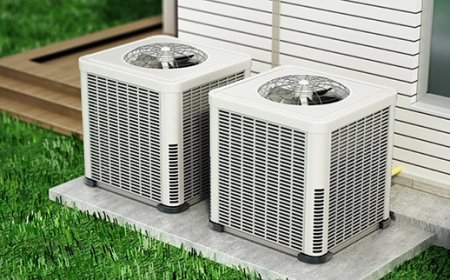
Ice buildup: Excessive frost on the outdoor unit may suggest a defrost system malfunction or another underlying issue.
Addressing these symptoms early can help prevent additional damage and improve overall system efficiency.
2. Common Issues That Require Heat Pump Repair
Understanding common heat pump problems makes it easier to identify when professional attention is necessary.
Refrigerant Leaks: Refrigerant allows the heat pump to transfer heat between indoor and outdoor spaces. When a leak develops, the system may struggle to heat or cool effectively. A qualified technician can locate the leak, repair it, and restore the appropriate refrigerant charge.
Thermostat Malfunctions: Incorrect temperature readings or faulty thermostat connections can prevent the equipment from operating properly. Sometimes, recalibration or thermostat replacement is enough to resolve the problem.
Electrical Component Failure: Capacitors, contactors, wiring, and other electrical components can wear out over time. These issues may cause inconsistent operation or prevent the system from starting.
Restricted Airflow: Dirty air filters, blocked vents, and damaged blower components can reduce airflow. Regular filter replacement and professional inspection help maintain proper circulation.
Defrost System Problems: During colder weather, outdoor heat pump units may accumulate frost. The defrost cycle normally removes this buildup. When the system malfunctions, excessive ice can interfere with performance.
Professional diagnosis is important because similar symptoms can have different underlying causes.
3. Why Timely Repairs Matter for Homeowners
Ignoring minor heating problems can eventually lead to expensive equipment damage. A heat pump that operates with faulty components may consume more electricity while delivering less comfort.
Scheduling repairs at the right time offers several advantages:
-
Improved energy efficiency: Fixing mechanical and airflow problems helps the system operate more effectively.
-
Reduced repair expenses: Early intervention can prevent smaller issues from affecting major components.
-
Consistent indoor comfort: A properly functioning heat pump maintains more stable indoor temperatures.
-
Longer equipment lifespan: Routine servicing and timely repairs reduce unnecessary strain on the system.
-
Better reliability: Addressing potential failures before extreme weather arrives helps reduce unexpected interruptions.
Homeowners should avoid delaying professional assistance when the system shows persistent warning signs.
4. When Should You Search for a Plumber Near Me?
Not every heat pump issue requires a plumber. Many repairs involve specialized HVAC technicians who understand refrigeration systems, electrical components, and heating equipment.
However, homeowners may also need plumbing assistance when heating problems involve connected water systems, condensate drainage, hydronic heating equipment, or water leaks around mechanical installations.
Searching for a reliable plumber near me can help when you notice water pooling around equipment, blocked drainage connections, leaking pipes, or problems with a connected hydronic heating system.
When choosing a professional, consider their experience, licensing, insurance, service range, and ability to explain the recommended repairs. A qualified service provider should inspect the issue carefully rather than recommending unnecessary replacements.
5. Simple Maintenance Tips to Prevent Unexpected Breakdowns
Preventive maintenance is one of the most effective ways to keep a heat pump operating reliably. Although professional servicing is important, homeowners can also follow a few simple practices.
Replace Air Filters Regularly: Dirty filters restrict airflow and force the equipment to work harder. Check filters monthly and replace them according to the manufacturer's recommendations.
Keep the Outdoor Unit Clear: Remove leaves, branches, dirt, and other obstructions around the outdoor unit. Maintain adequate clearance so air can circulate freely.
Check Thermostat Settings: Make sure your thermostat is configured correctly for the season. Incorrect settings can affect comfort and operating efficiency.
Inspect Visible Drainage Areas: Look for unusual water accumulation or blocked condensate drainage. Persistent leaks should be inspected by a qualified professional.
Schedule Professional Inspections: Regular servicing allows technicians to identify worn components, electrical concerns, refrigerant problems, and airflow restrictions before they develop into serious failures.
These practices support better performance and help reduce the likelihood of unexpected equipment problems.
6. Choosing the Right Professional for Heating and Plumbing Services
Selecting an experienced professional is essential when your heating equipment stops working properly. Look for a company that offers clear communication, qualified technicians, transparent estimates, and dependable service.
Before scheduling an appointment, ask about diagnostic procedures, repair recommendations, warranties, and expected costs. A trustworthy contractor should explain the problem and discuss available solutions before starting the work.
If your issue involves both heating equipment and plumbing connections, choosing a service provider with experience in both areas can make coordinating repairs easier.
Conclusion
A properly functioning heat pump provides dependable heating and cooling while helping maintain indoor comfort throughout the year. Recognizing unusual noises, poor airflow, temperature fluctuations, and rising energy bills can help homeowners identify problems early. Professional heat pump repair can restore system performance, prevent further damage, and support long-term efficiency. When leaks, drainage problems, or connected heating components require attention, contacting a trusted plumber near me can help resolve the issue safely. Combining regular maintenance with timely professional inspections is a practical way to protect your heating equipment and avoid unnecessary repair expenses.
What's Your Reaction?
 Like
0
 Dislike
0
 Love
0
 Funny
0
 Angry
0
 Sad
0
 Wow
0