



















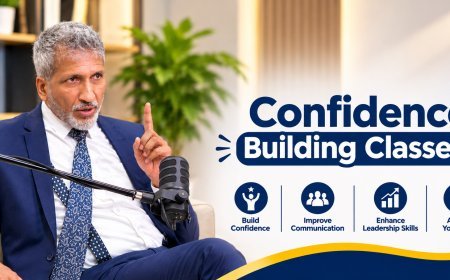






What Are the Top 5 Signs You Need Confidence Building Classes?


Confidence plays an important role in personal and professional growth. It affects how people communicate, make decisions, handle challenges, and interact with others. Some people naturally express their thoughts without hesitation, while others struggle with self-doubt and fear of judgment. These difficulties can affect everyday life, relationships, and career opportunities.
Many people do not realize that a lack of confidence can be improved through regular practice and proper guidance. Confidence building classes can help individuals understand their strengths, improve communication, and develop a positive attitude toward themselves.
Recognizing the signs of low confidence is the first step toward making a positive change. Here are five important signs that indicate you may benefit from confidence-building training.
1. You Feel Nervous While Speaking in Front of Others
One of the most common signs of low confidence is feeling uncomfortable when speaking in front of a group. You may feel nervous during meetings, classroom discussions, presentations, or social gatherings.
Sometimes, you may know exactly what you want to say but struggle to express your thoughts clearly. Your voice may become shaky, your hands may sweat, or you may forget important points because of nervousness.
This fear can prevent you from sharing valuable ideas and participating in important conversations.
Confidence building classes help people practice speaking in different situations. Activities such as group discussions, short presentations, and speaking exercises gradually reduce nervousness. With regular practice, individuals learn to organize their thoughts, maintain eye contact, and speak with greater clarity.
2. You Constantly Doubt Your Abilities and Decisions
Another sign of low confidence is the habit of questioning your own abilities. You may believe that other people are more talented, intelligent, or capable than you.
Even after completing a task successfully, you might feel that your achievement was simply luck. You may also hesitate to make decisions because you are afraid of choosing the wrong option.
This type of self-doubt can slow down personal growth and prevent people from taking advantage of valuable opportunities.
Confidence-building training encourages individuals to recognize their strengths and understand their areas of improvement. Instead of focusing only on mistakes, learners begin to appreciate their progress and achievements.
At Anurag Aggarwal, personal development and communication-focused learning can help individuals work toward a more positive mindset and develop greater trust in their abilities.
3. You Find It Difficult to Communicate Your Thoughts
Good communication is essential in everyday life. Whether you are talking to friends, colleagues, teachers, or clients, expressing your thoughts clearly helps build better relationships.
However, people with low confidence often struggle to communicate effectively. They may speak too softly, avoid sharing opinions, or feel uncomfortable asking questions.
Some individuals also find it difficult to say no, express their needs, or disagree with others respectfully. As a result, they may feel misunderstood or allow others to make decisions for them.
Joining confidence building classes can help improve verbal and non-verbal communication. Learners practice speaking clearly, using appropriate body language, listening carefully, and expressing opinions with confidence.
These skills are useful in professional meetings, interviews, social interactions, and personal relationships.
4. You Avoid New Opportunities Because of Fear
Low confidence often causes people to avoid situations that involve uncertainty or responsibility. You may refuse to participate in a competition, apply for a better job, attend a networking event, or take on a leadership role.
The main reason is often the fear of failure or embarrassment. You may think that making a mistake will affect how others see you.
However, avoiding challenges can limit your learning and personal development. Every new experience provides an opportunity to improve your skills and understand your abilities.
Confidence building classes encourage learners to step outside their comfort zones in a supportive environment. Through practical activities and guided exercises, individuals learn how to face challenges without allowing fear to control their decisions.
Over time, they become more comfortable trying new things and accepting that mistakes are a natural part of learning.
5. You Compare Yourself with Others Too Often
Comparing yourself with others is another common sign that your confidence needs attention. You may constantly compare your appearance, achievements, communication skills, or career progress with people around you.
Social media can make this habit even stronger because people usually share their best moments and achievements online.
Frequent comparison can create unnecessary pressure and make you feel that you are not doing enough. It can also reduce motivation and make it difficult to appreciate your own progress.
Confidence-building training helps individuals focus on their personal goals instead of competing with everyone around them. Learners develop a healthier understanding of success and recognize that every person has a different journey.
The goal is not to become better than others but to become more comfortable with your own abilities and continue improving.
How Can Confidence Building Classes Help You Improve?
The right training program focuses on practical learning rather than only theoretical advice. It may include public speaking exercises, personality development activities, communication practice, group discussions, and confidence-building techniques.
Anurag Aggarwal offers learning opportunities focused on communication, personal development, and professional growth. Such training can help individuals practice important skills in a structured environment and gradually become more comfortable expressing themselves.
However, confidence does not develop overnight. Regular practice, patience, and a willingness to learn are important for achieving lasting improvement.
Conclusion
Low confidence can affect communication, decision-making, relationships, and career growth. Feeling nervous while speaking, doubting your abilities, avoiding opportunities, and comparing yourself with others are common signs that you may need additional support.
Confidence building classes provide a practical way to work on these challenges and develop stronger self-belief. With consistent effort and the right guidance, individuals can learn to express themselves clearly, face new situations, and approach everyday challenges with a more positive attitude.
Building confidence is not about becoming perfect. It is about believing in your ability to learn, improve, and move forward.
What's Your Reaction?
 Like
0
 Dislike
0
 Love
0
 Funny
0
 Angry
0
 Sad
0
 Wow
0