
























What Should You Know About Hair Regrowth After Waxing?
Find out how long hair takes to grow back after waxing, why regrowth can be uneven and how to manage ingrown hairs between appointments.

Waxing is a popular hair removal option for people who want a smoother finish that lasts longer than shaving. Unlike shaving, which cuts hair at the skin's surface, waxing removes hair from the root. As a result, regrowth usually takes longer to become noticeable.
However, hair does not stop growing permanently after waxing. The time it takes to return, its texture and the appearance of regrowth can vary from person to person. Understanding the hair growth cycle and following suitable aftercare can help you manage your grooming routine more effectively.
How Does Hair Grow Back After Waxing?
Hair grows in different stages, and not every hair is at the same stage at any given time. These stages are generally described as the growth phase, transition phase and resting phase.
During waxing, the hair is removed from the root, but the hair follicle remains. New hair can gradually develop and grow through the skin again.
Because individual hairs follow different growth cycles, regrowth may not appear evenly across the treated area. You might notice a few short hairs first, followed by more noticeable growth over the following weeks.
This is a normal part of the hair growth process and does not necessarily mean the waxing treatment was unsuccessful.
How Long Does It Take for Hair to Grow Back?
The time between waxing appointments varies depending on the treatment area, natural hair growth rate, hormones and individual characteristics.
Many people notice regrowth within three to six weeks, although some may see it earlier or later. Areas such as the face can have a different growth pattern from the legs or arms.
Your previous hair removal routine can also influence what you notice. If you have regularly shaved, the first few waxing sessions may not produce the same appearance as someone who has been waxing consistently.
Rather than following a fixed appointment schedule, pay attention to when enough hair has grown for the wax to grip effectively.
Does Hair Grow Back Thicker After Waxing?
A common concern is whether waxing causes hair to return thicker, darker or coarser. Waxing does not generally make hair follicles produce thicker hair.
Because waxing removes hair from the root, the new hair may initially have a softer, naturally tapered tip. This can make regrowth feel different from shaved hair, which has a blunt edge after being cut.
With regular waxing, some people notice that their regrowth appears finer or less dense over time. However, this is not guaranteed, and results vary depending on the individual and the area being treated.
Changes in hair thickness or density can also be influenced by hormones, age and other personal factors.
Why Does Hair Sometimes Grow Back Unevenly?
It is common for hair to return at different rates across the same area. This happens because follicles do not all produce hair at exactly the same time.
For example, after waxing your legs, you may notice small patches of regrowth while other areas remain smooth. This does not necessarily mean the hair was missed during treatment.
Other factors that can influence uneven regrowth include:
-
Natural differences in individual hair growth cycles.
-
Hormonal changes.
-
The treatment area and hair characteristics.
-
Previous shaving or waxing habits.
-
Hair that was too short to be removed during the appointment.
If you notice consistent areas of missed hair, discuss this with your therapist at your next appointment.
When Should You Book Your Next Waxing Appointment?
It is usually best to wait until the hair has grown enough for the wax to grip properly. Waxing too frequently, when the hair is still very short, may make the treatment less effective.
A general guide is to allow approximately three to six weeks between sessions, depending on the treatment area and your personal regrowth pattern.
You do not need to book every appointment at exactly the same interval. If your hair grows slowly, you may prefer to wait longer. If it grows more quickly, you may need an earlier appointment.
A professional waxing Preston service can help you understand suitable appointment intervals based on your hair growth and skin condition.
How Can You Manage Ingrown Hairs Between Sessions?
Ingrown hairs can occur when new hair curls or grows back into the skin instead of emerging normally. They may appear as small bumps and can sometimes cause redness or irritation.
A consistent but gentle skincare routine can help reduce the likelihood of ingrown hairs.
Consider the following steps:
-
Gently exfoliate once the skin has recovered from waxing.
-
Use a suitable moisturiser to prevent excessive dryness.
-
Avoid picking, squeezing or scratching ingrown hairs.
-
Wear comfortable clothing that does not create repeated friction.
-
Keep the treated area clean.
Avoid exfoliating immediately after waxing, as freshly treated skin may be sensitive. If you experience painful, persistent or infected-looking bumps, seek advice from a healthcare professional.
Does Regular Waxing Change Your Hair Growth Pattern?
Some people find that regular waxing makes their hair seem less noticeable over time. This may be because repeated removal changes how regrowth feels or appears.
However, waxing does not permanently stop hair growth. Follicles remain active, and new hair can continue to develop.
Your results may also change throughout different stages of life. Hormonal changes, certain medications and natural ageing can influence hair growth patterns.
If your goal is longer-term hair reduction, you may wish to explore other options. The most suitable method depends on your skin tone, hair colour, treatment area and personal preferences.
Waxing and Your Overall Personal Care Routine
Waxing can be included in a broader grooming routine alongside other personal care services. The important thing is to give your skin enough time to recover between treatments and avoid combining services in a way that causes irritation.
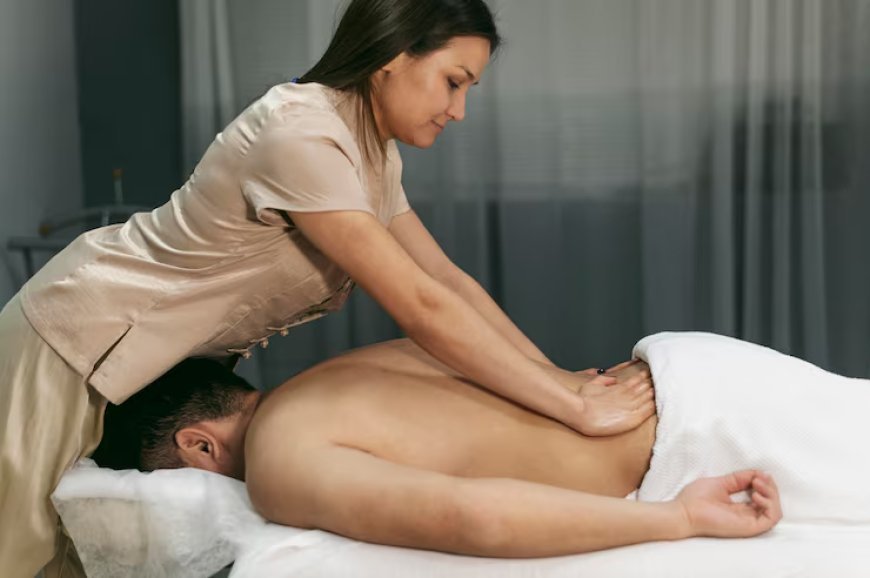
For example, some people schedule grooming appointments alongside relaxation treatments such as massage Preston. If you enjoy different massage styles, you can also explore deep tissue massage Preston or hot stone massage Preston.
Keep in mind that massage and waxing have different purposes, and freshly waxed or irritated skin should be treated gently. Discuss the timing of appointments with your therapist if you plan to have multiple services.
Final Thoughts
Hair regrowth after waxing is a normal process, and the timing can differ from one person to another. Understanding your natural growth cycle can help you choose suitable appointment intervals and maintain your preferred grooming routine.
Allow enough time between sessions, care for your skin gently and avoid trying to remove hair before it has reached a suitable length. With realistic expectations and consistent aftercare, waxing can remain a manageable part of your personal care routine.
What's Your Reaction?
 Like
0
 Dislike
0
 Love
0
 Funny
0
 Angry
0
 Sad
0
 Wow
0