























When Should You Repair or Replace Your Swimming Pool Equipment?
Swimming pool equipment plays an essential role in maintaining clean, safe, and comfortable water. Knowing when to choose Swimming Pool Equipment Repair & Replacement in Singapore can help property owners avoid costly breakdowns, improve efficiency, and keep their pools in excellent condition.

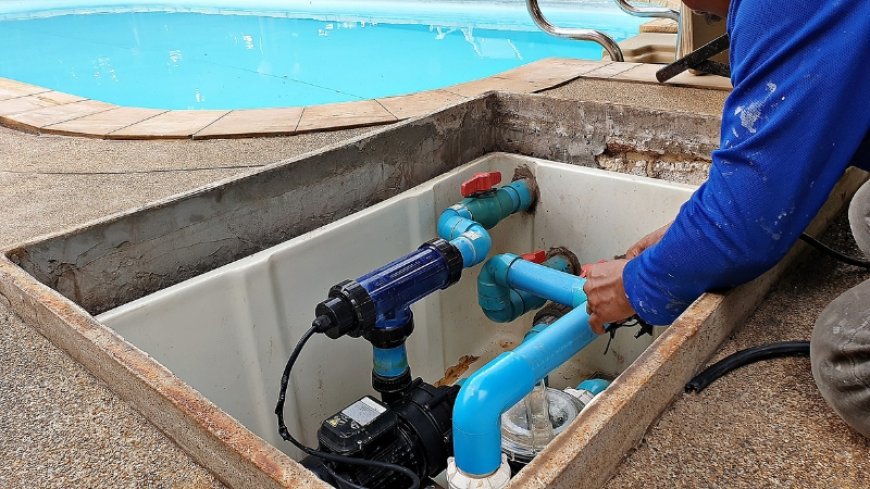
Why Is Swimming Pool Equipment Maintenance Important?
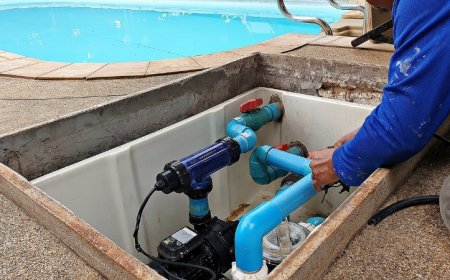
Swimming pool equipment works continuously to maintain proper water circulation, filtration, and cleanliness. Pumps, filters, chlorinators, heaters, and other components must operate together to keep the swimming pool functioning correctly.
However, like any mechanical or electrical system, pool equipment gradually experiences wear and tear. Regular usage, environmental conditions, improper maintenance, and ageing components can affect performance.
Ignoring minor equipment problems can lead to more serious breakdowns. For example, a malfunctioning pump may reduce water circulation, while a damaged filtration system can affect water clarity.
Understanding when equipment needs professional repair or complete replacement helps you make informed decisions and avoid unnecessary expenses.
1. When Should You Repair Your Swimming Pool Equipment?
Repairing swimming pool equipment is often the most practical option when the problem is relatively minor and the main component remains in good condition.
Here are some situations where professional repair may be sufficient.
Minor Mechanical Problems
Swimming pool pumps, filters, and other equipment contain mechanical components that can become loose, worn, or damaged over time.
For example, a pump may produce unusual noises because of worn bearings, loose fittings, or other mechanical issues. In some cases, replacing a small component can restore normal operation without requiring an entirely new pump.
Electrical Connection Issues
Electrical problems can also affect swimming pool equipment. Loose connections, faulty switches, damaged wiring, and malfunctioning controls may prevent equipment from operating properly.
A qualified technician can inspect the system, identify the cause, and recommend the appropriate repair.
Important: Electrical work around swimming pools should always be handled by qualified professionals because water and electricity create serious safety risks.
Minor Water Leakage
Small leaks around pump connections, filter fittings, valves, or seals do not always mean the entire system needs replacement.
Damaged seals, worn O-rings, and loose connections can sometimes be repaired or replaced individually.
Addressing these problems early can prevent water loss and protect nearby equipment.
Reduced Equipment Performance
If your swimming pool equipment is operating but not performing as efficiently as before, professional servicing may resolve the issue.
For example, reduced pump performance could be related to clogged baskets, dirty filters, blocked pipes, or worn internal components.
A proper inspection helps determine whether cleaning, adjustment, or component replacement is sufficient.
2. When Should You Replace Your Swimming Pool Equipment?
Although repairs can solve many problems, replacement becomes a better option when equipment is severely damaged, outdated, or no longer economical to maintain.
Here are some common signs that replacement should be considered.
Frequent Equipment Breakdowns
Does your swimming pool pump or filtration system require repairs every few months?
Frequent breakdowns may indicate that the equipment has reached the end of its useful service life.
Although individual repairs may appear affordable, their combined costs can become significant. Replacing unreliable equipment may provide better long-term value and reduce unexpected maintenance interruptions.
Equipment Has Reached the End of Its Lifespan
Different types of swimming pool equipment have different expected service lives.
For example, pool pumps, filters, heaters, and chlorination systems experience different levels of wear depending on their quality, usage, installation, and maintenance history.
Older equipment may become less reliable as internal components deteriorate.
If your equipment is approaching the end of its expected lifespan and requires major repairs, replacement may be the more practical investment.
Major Structural Damage
Some equipment problems cannot be resolved through simple repairs.
Examples include:
-
Cracked pump housings.
-
Severely corroded metal components.
-
Damaged filter tanks.
-
Major internal motor damage.
-
Irreparable control system failures.
In these situations, replacing the affected equipment may be safer and more cost-effective than attempting extensive repairs.
Poor Energy Efficiency
Older swimming pool equipment may consume more electricity than newer, energy-efficient alternatives.
For example, modern variable-speed pool pumps can adjust their operating speed according to circulation requirements.
Replacing an inefficient pump with a suitable energy-efficient model may help reduce electricity consumption over time.
However, the actual savings depend on pool size, operating hours, equipment selection, and electricity rates.
3. Repair vs Replacement: Which Option Is More Cost-Effective?
One of the biggest concerns for swimming pool owners is deciding whether repairing existing equipment or purchasing a replacement offers better value.
The cheapest immediate option is not necessarily the most economical long-term solution.
Consider the following factors before making a decision.
|
Factor |
Repair |
Replacement |
|
Initial cost |
Usually lower |
Usually higher |
|
Equipment condition |
Generally good |
Often significantly worn |
|
Breakdown frequency |
Occasional issues |
Repeated problems |
|
Energy efficiency |
May remain unchanged |
Opportunity to improve |
|
Expected reliability |
Depends on repair quality |
New equipment may offer better reliability |
|
Long-term value |
Good for minor faults |
Better when repairs become uneconomical |
Consider the Total Repair Cost
Before approving a repair, ask for an assessment of the total estimated cost.
This should include replacement parts, labour, inspection, and any additional servicing required.
If the repair cost is approaching the price of suitable replacement equipment, purchasing a new unit may be more sensible.
Evaluate Future Maintenance Requirements
A repaired component may continue working properly for years, but an ageing system could require additional maintenance.
Consider whether the proposed repair will address the underlying issue or simply provide a temporary solution.
A professional assessment can help you understand the likely long-term costs of both options.
4. When Should You Repair or Replace a Swimming Pool Pump?
The swimming pool pump is one of the most important components of the circulation system.
It moves water through the filtration system and helps distribute treated water throughout the pool.
A malfunctioning pump can affect the entire swimming pool operation.
Signs That Your Pool Pump Needs Repair
Consider professional inspection if you notice:
-
Unusual humming or grinding noises.
-
Reduced water circulation.
-
Minor water leakage around the pump.
-
Difficulty starting the motor.
-
Intermittent operation.
-
Air entering the circulation system.
Some of these issues may result from blocked baskets, worn seals, electrical faults, or mechanical problems.
Signs That Your Pool Pump Needs Replacement
Replacement may be necessary when the motor has suffered major damage, the pump housing is cracked, or the unit repeatedly fails despite previous repairs.
Another reason to consider replacement is poor energy efficiency.
If an older pump consumes excessive electricity or cannot provide the required circulation, a modern replacement may improve overall system performance.
When comparing replacement options, make sure the new pump is suitable for your pool volume, plumbing configuration, filtration requirements, and operating conditions.
5. When Should You Repair or Replace Your Swimming Pool Filter?
Swimming pool filters remove dirt, debris, and suspended particles from circulating water.
A properly functioning filter is essential for maintaining water clarity and supporting effective pool maintenance.
When Filter Repairs Are Sufficient
Minor filter problems can sometimes be resolved without replacing the complete unit.
Examples include:
-
Damaged pressure gauges.
-
Faulty valves.
-
Worn seals and O-rings.
-
Minor connection leaks.
-
Clogged or dirty filter media.
Routine cleaning and servicing can also restore filtration performance when dirt accumulation is the main issue.
When Filter Replacement Is Necessary
Replacement may be the better choice if the filter tank is cracked, severely corroded, or structurally damaged.
You should also consider replacement when the filtration system is consistently unable to meet the pool's circulation and filtration requirements.
Choosing an appropriately sized filter is important because an unsuitable unit may struggle to handle the required water flow.
6. When Should You Repair or Replace a Pool Chlorinator?
A chlorination system helps maintain appropriate sanitiser levels in swimming pool water.
When the chlorinator stops working correctly, maintaining consistent water treatment can become more difficult.
Common Chlorinator Problems
Some issues that may require professional attention include:
-
Inconsistent chlorine production.
-
Faulty control panels.
-
Damaged electrical connections.
-
Worn or scaled salt cells.
-
Incorrect system readings.
Depending on the problem, cleaning, calibration, or replacing an individual component may restore normal operation.
When Chlorinator Replacement Makes Sense
If the control unit has major electrical damage, the salt cell has deteriorated beyond economical repair, or replacement parts are no longer available, purchasing a new system may be more practical.
A technician should assess the chlorinator's condition and confirm that any replacement is compatible with your pool's treatment requirements.
7. Factors to Consider Before Replacing Swimming Pool Equipment
Replacing swimming pool equipment is an investment. Therefore, it is important to consider several factors before selecting a new system.
Age and Overall Condition
The age of the equipment provides useful information, but it should not be the only deciding factor.
A well-maintained older pump may still operate reliably, while a relatively new unit may require replacement because of serious damage.
Always consider its operating condition, repair history, and maintenance requirements.
Availability of Replacement Parts
Some older equipment models may have limited spare-part availability.
If finding compatible components becomes difficult, repairs may take longer and become more expensive.
In such situations, upgrading to a newer model may offer greater convenience.
Energy Consumption
Energy consumption is another important consideration, particularly for swimming pools operating for several hours daily.
Modern equipment may offer improved efficiency through better motor technology, automated controls, and optimised operating settings.
Compare the expected running costs rather than focusing only on the purchase price.
Compatibility With Existing Equipment
Not every replacement product is suitable for every swimming pool.
Pump capacity, filter specifications, pipe connections, electrical requirements, and automation compatibility must be considered.
Professional guidance can help prevent installation problems and unnecessary additional expenses.
Warranty and After-Sales Support
Before purchasing new equipment, review the manufacturer's warranty, availability of spare parts, and servicing support.
Reliable after-sales assistance can make future maintenance easier and help protect your investment.
8. Why Professional Swimming Pool Equipment Inspection Matters
Identifying the actual cause of an equipment problem is not always straightforward.
For example, poor water circulation could result from a pump malfunction, blocked plumbing, dirty filter media, or an incorrectly adjusted valve.
Replacing the pump without identifying the underlying problem may not resolve the issue.
Professional technicians can inspect the complete system, evaluate individual components, and determine whether repair or replacement is appropriate.
For property owners seeking Swimming Pool Equipment Repair & Replacement in Singapore, professional assessment is especially valuable for avoiding unnecessary equipment purchases and ensuring that the pool system operates efficiently.
A proper inspection should ideally include:
-
Pump and motor performance.
-
Filter condition and pressure readings.
-
Pipework and valve connections.
-
Electrical components and control systems.
-
Chlorination and water-treatment equipment.
-
Signs of leakage, corrosion, and physical damage.
Based on these findings, technicians can recommend a suitable maintenance, repair, or replacement plan.
9. How Regular Maintenance Helps Prevent Equipment Replacement
Although swimming pool equipment cannot last forever, proper maintenance can help extend its service life and reduce unexpected breakdowns.
A consistent maintenance routine also makes it easier to identify developing problems before they become serious.
Here are some useful maintenance practices.
Clean Pump Baskets Regularly
Remove accumulated leaves, hair, and other debris from pump baskets to maintain proper water flow.
Always follow the manufacturer's instructions and switch off the equipment safely before performing routine cleaning.
Maintain Clean Filter Media
Different filtration systems require different cleaning procedures.
Sand filters, cartridge filters, and other filtration systems should be serviced according to their manufacturer's recommendations.
Monitor Pressure Readings
Unusual filter pressure readings may indicate a blockage, dirty filter media, or another circulation problem.
Monitoring pressure helps identify potential issues early.
Check for Unusual Noises and Leaks
Pay attention to changes in equipment operation.
Unusual sounds, visible leaks, and inconsistent performance should be investigated before they develop into larger problems.
Schedule Professional Servicing
Regular professional inspections help identify worn components, operational problems, and maintenance requirements.
Preventive maintenance is generally more manageable than dealing with unexpected equipment failures.
10. Choosing the Right Swimming Pool Equipment Repair and Replacement Service in Singapore
Finding an experienced swimming pool service provider is important when your equipment needs professional attention.
A reliable service provider should focus on identifying the actual problem instead of automatically recommending expensive replacements.
When selecting a swimming pool maintenance company, consider the following:
Technical Experience: Look for technicians familiar with different types of pool pumps, filtration systems, chlorinators, and other equipment.
Transparent Recommendations: A professional provider should explain whether repair or replacement is necessary and provide a clear cost estimate.
Suitable Equipment Selection: Replacement equipment should match your pool's size, circulation requirements, and existing system configuration.
Safety Standards: Electrical and mechanical work should be carried out by appropriately qualified professionals.
Ongoing Maintenance Support: Regular servicing can help maintain equipment performance and reduce the likelihood of unexpected breakdowns.
For swimming pool owners looking for professional assistance, Infinity Pool Services Pte Ltd can be considered for swimming pool equipment servicing and maintenance requirements in Singapore.
Whether your system needs troubleshooting, component repairs, or equipment replacement, obtaining a proper assessment is an important first step towards maintaining a reliable swimming pool.
Frequently Asked Questions (FAQs)
1. Is it better to repair or replace a swimming pool pump?
It depends on the pump's condition, age, and repair cost. Minor problems involving seals, connections, or certain mechanical components may be repairable. However, major motor damage or repeated breakdowns may make replacement more economical.
2. How do I know if my swimming pool filter needs replacement?
Common warning signs include a cracked filter tank, persistent leakage, corrosion, and consistently poor filtration performance. A professional inspection can determine whether repairs are possible or replacement is necessary.
3. Can old swimming pool equipment increase electricity bills?
Yes. Older or inefficient pumps and other equipment may consume more electricity than modern alternatives. Replacing unsuitable equipment with energy-efficient models may help reduce operating costs.
4. How often should swimming pool equipment be inspected?
The inspection frequency depends on equipment type, usage, and maintenance history. Regular visual checks and scheduled professional servicing can help identify potential problems early.
5. Should I replace all my swimming pool equipment at once?
Not necessarily. If most components are working properly, replacing only the damaged or outdated equipment may be sufficient. A professional assessment can help prioritise necessary upgrades.
Conclusion
Knowing when to repair or replace pool equipment helps prevent unexpected breakdowns and unnecessary expenses. Professional inspections can identify the most cost-effective solution. For Swimming Pool Equipment Repair & Replacement in Singapore, Infinity Pool Services Pte Ltd can help maintain reliable pool performance.
What's Your Reaction?
 Like
0
 Dislike
0
 Love
0
 Funny
0
 Angry
0
 Sad
0
 Wow
0