





















Why Are Businesses Using Intermodal Freight Transport for Long-Distance Cargo Movement?
Discover how intermodal freight transport helps businesses manage long-distance shipping with flexible routes, efficient cargo handling, and better planning.

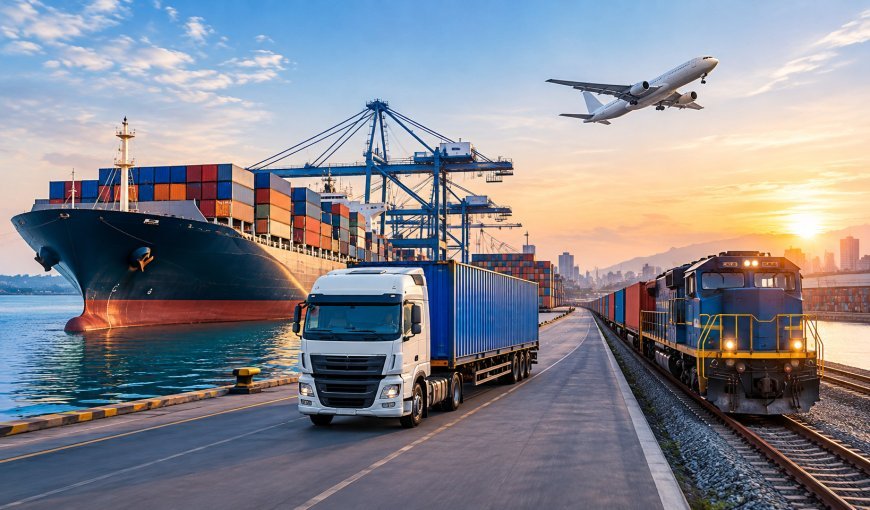
Transporting cargo over long distances can be challenging for businesses, especially in terms of managing transportation costs, delivery schedules, and supply chain requirements. Intermodal freight transport is a practical way to move freight that uses two or more transportation modes, like trucks, trains, and ships, in a single shipment. Instead of relying on one mode from pickup to delivery, businesses can capitalise on the advantages of various modes to facilitate more efficient movement of cargo.
As supply chains become more complex, companies are looking for transportation options that strike a balance between reliability, flexibility, and cost management. Intermodal shipping can assist in meeting these requirements by connecting road networks with rail and ocean freight, depending on the destination and requirements of the shipment.
Quick Summary
● Intermodal freight transport combines multiple transportation modes to move cargo efficiently.
● Rail and ocean freight can support cost-effective movement over long distances.
● Trucks provide flexibility for first-mile pickup and final-mile delivery.
● Proper coordination helps businesses manage transit times, cargo handling, and shipment visibility.
● Choosing the right logistics partner can simplify transportation planning and improve supply chain coordination.
What Is Intermodal Freight Transport?
Intermodal freight transport is the transportation of goods in the same standardised container or transport unit across multiple modes without unloading the cargo itself whenever the mode changes. For example, a shipment could be trucked from a warehouse to a rail terminal, then shipped by rail to another region, and then trucked to its destination.
This method allows companies to mix the flexibility of road transport with the long-distance capacity of rail or ocean shipping.
How Does Intermodal Shipping Work?
A typical intermodal shipment follows these steps:
- Cargo pickup: A truck collects the shipment from the supplier, warehouse, or distribution center.
- Terminal transfer: The container is delivered to a rail terminal or seaport.
- Long-distance transportation: The shipment travels by rail or ocean freight, depending on the route.
- Destination transfer: The container is transferred to another truck or suitable transport mode.
- Final delivery: The cargo reaches the receiving warehouse, distribution center, or customer.
The exact process depends on the route, shipping schedule, cargo type, and available infrastructure.
Why Are Businesses Choosing Intermodal Freight Transport?
Better Cost Management for Long-Distance Routes
Transportation costs can increase rapidly for businesses that depend only on long-haul trucking. Another choice is intermodal freight shipping that uses rail or ocean freight for suitable portions of a journey.
These modes can be beneficial for large shipments travelling long distances, but terminal fees, transfer costs, and delivery requirements should also be considered. Don’t just look at one freight rate. Look at the total landed transportation cost.
Greater Capacity for High-Volume Cargo
Companies that move raw materials, packaged goods, industrial equipment, or retail inventory often require dependable capacity over long distances. Rail and ocean freight are able to move large amounts of cargo and can therefore be a useful part of a larger transportation plan.
With Intermodal Shipping Solutions planned well, businesses can select combinations of transport that meet their shipment size, delivery deadlines, and distribution needs.
Improved Supply Chain Flexibility
Reliance on one form of transport can leave companies vulnerable to capacity shortages, road congestion, or unexpected interruptions. Intermodal transport services provide the opportunity to combine available routes and modes in accordance with changing logistics needs.
But flexibility depends on terminal access, service frequency, and coordination between carriers. It is important to plan carefully to avoid delays in the course of transfers.
Opportunities to Reduce Transportation Emissions
There may be potential to move suitable goods to rail or ocean transport rather than truck for the entire trip in an effort to reduce transportation emissions. The real advantage is determined by distance, weight of the cargo, equipment efficiency, type of fuel, and how the shipment reaches its destination.
For businesses with sustainability goals, comparison of the environmental impact of different transport combinations can support more informed decisions.
Which Transportation Modes Work Best Together?
Intermodal logistics services coordinate the different stages of a shipment so that cargo moves smoothly between transportation networks.
Road and Rail
Trucks provide convenient pickup and delivery, while trains can carry large volumes over long distances. This combination is particularly useful for domestic freight moving between major distribution centers and rail terminals.
Road and Ocean Freight
For international shipments, trucks can connect warehouses and ports, while ocean vessels handle the main international journey. This option is often worth evaluating for non-urgent cargo moving between countries.
Road, Rail, and Ocean Freight
Some international supply chains use all three modes. A shipment might travel by truck to a rail terminal, continue by rail to a port, cross the ocean, and then move by truck to its destination. Such arrangements require careful scheduling and communication between logistics providers.
Practical Comparison: Which Shipping Option Should You Choose?
|
Transportation option |
Best suited for |
Main advantage |
Key consideration |
|
Road freight |
Short and regional deliveries |
Flexible pickup and delivery |
Costs can rise on long routes |
|
Rail freight |
High-volume inland shipments |
Efficient long-distance movement |
Depends on rail network access |
|
Ocean freight |
International cargo |
High capacity for large shipments |
Longer transit times |
|
Road and rail |
Domestic long-distance cargo |
Combines flexibility with rail capacity |
Terminal transfers require planning |
|
Road and ocean |
International container shipping |
Connects inland locations with global ports |
Port congestion and schedules may affect delivery |
|
Road, rail, and ocean |
Complex international supply chains |
Access to multiple transportation networks |
Requires coordinated planning across several stages |
The best option depends on the shipment's origin and destination, urgency, cargo volume, budget, and handling requirements. Businesses should compare transit time, total cost, reliability, and cargo protection before choosing a transportation plan.
How Can Businesses Make Intermodal Shipping More Effective?
Plan Around Delivery Requirements
Identify the required delivery date before selecting a route. Allow sufficient time for terminal transfers, customs clearance, documentation, and potential disruptions.
Check Cargo and Container Compatibility
Confirm that the cargo suits the selected container, weight limits, loading requirements, and transportation equipment. Specialized or temperature-sensitive goods may require additional arrangements.
Coordinate Documentation and Tracking
Keep shipping documents, customs information, container details, and delivery instructions accurate. Consistent communication between carriers and logistics teams helps reduce avoidable errors.
Work With an Experienced Logistics Provider
A logistics partner can help compare available routes, coordinate transportation stages, and identify potential bottlenecks. Globex Logistics supports businesses looking for coordinated freight transportation options tailored to their shipping needs.
Conclusion
Intermodal freight transport is a practical way for businesses to move cargo over long distances, combining the advantages of trucks, trains, and ships. This approach can help manage costs, move more product at higher volume, and provide supply chain planning flexibility if the route and shipment requirements are carefully assessed.
The right modes of transport, the right connections, and the right lines of communication throughout the journey are key to success. Businesses contemplating long-distance shipping can consult with an experienced logistics provider to explore intermodal transportation options that match their cargo, delivery timelines, and operational objectives.
What's Your Reaction?
 Like
0
 Dislike
0
 Love
0
 Funny
0
 Angry
0
 Sad
0
 Wow
0