
















Why Digital Event Galleries Like Pixoye Are Replacing Traditional Photo Delivery

For years, event photography worked the same way everywhere. A photographer shoots the wedding or the conference, disappears for two or three weeks to edit, and eventually sends over a USB drive or a link to a shared folder full of unsorted photos. Guests wait. The host keeps following up asking when the pictures will be ready. And by the time everything finally lands, most of the excitement from the actual day has already worn off.
That old way of doing things is starting to break down, and tools like Pixoye photo sharing app are a big part of why.
The old delivery model was never built for speed
Everything happened in order: shoot, cull, edit, export, upload, share. Each step added another day or two before anyone actually saw a photo. And what people got at the end was usually just a flat folder of images, with no easy way to find themselves in the crowd or pick out the few shots that actually mattered to them. Hosts ended up doing the job of a distribution manager too, forwarding download links over WhatsApp and hoping people grabbed their copies before the link expired.
What changes with a digital gallery
Digital event galleries flip that whole process around. Photos can go up almost as soon as they're taken, get sorted automatically, and become available to every guest through one link. No app to download, no account to make, no email that shows up three weeks later.
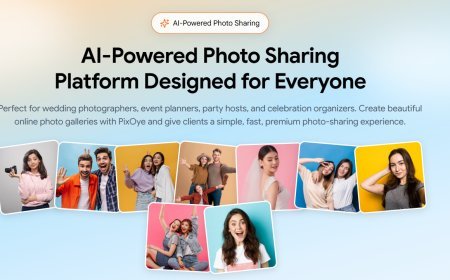
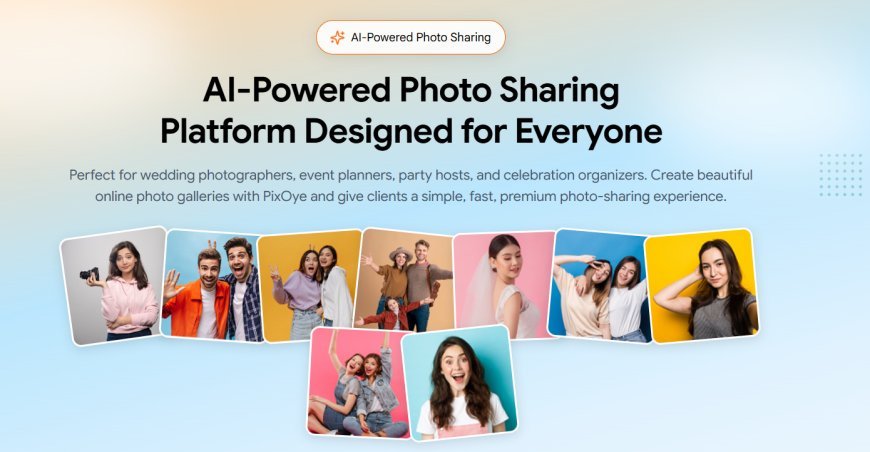
Pixoye is a decent example of where this is going. It doesn't treat a gallery like a static dump of files sitting in a folder — it's more like a live, searchable space guests can actually move through. You can find photos you're tagged in, browse by moment, and pull exactly what you want in a few seconds. For the person running the event, this basically removes the whole job of "getting everyone their photos."
Why the shift is happening now
A few things are pushing this change, and honestly, most of them have nothing to do with cameras.
People are used to getting things instantly now — messages, payments, deliveries. Waiting two weeks for wedding photos just feels out of step with how everything else works.
Events also aren't documented by one photographer anymore. Guests are shooting constantly on their phones too, and a gallery that can pull in photos from multiple people gives a much fuller picture of the day than any single photographer could capture alone.
Privacy matters more as well. A public folder link is a rough fit for an event with three hundred guests who each want some say over who sees their photos, and a proper gallery can offer face tagging, selective sharing, and expiry settings that a generic file-sharing tool was never built for.
And hosts, understandably, just want less to manage. Chasing photographers for updates and re-forwarding folders isn't anyone's idea of a good time, and a self-serve gallery takes that whole task off their plate.
Faster delivery isn't the only benefit
Speed is the obvious win here, but it's not the only one. With the old method, every guest had to scroll through the same giant, unsorted batch to find the handful of photos that included them. Smart galleries handle this through face recognition and tagging, so each person effectively gets their own set of photos without anyone sitting there manually sorting through hundreds of images.
That difference really shows at bigger events — three-hundred-guest weddings, multi-day conferences, festivals — where sorting by hand was never realistic to begin with.
Guests are participating, not just waiting
There's also a quieter shift happening in who actually owns the experience. Photo delivery used to be something that happened to guests — they waited around for whatever the photographer eventually decided to send. Now it's something guests take part in directly, browsing the gallery, downloading what they want, sometimes even adding their own photos into the same shared space.
That's probably part of why platforms like Pixoye are showing up outside of weddings too, at corporate events, college fests, community meetups. The underlying problem was never really about camera gear. It was always about logistics.
Where this is headed
As more events end up documented by a mix of professional photographers, guest phone cameras, and the occasional drone shot, the case for one central gallery pulling it all together only gets stronger. Nobody wants to sit down after the fact and manually merge five different sources of photos.
Traditional delivery isn't going away tomorrow. But for anyone planning an event now, the expectations have shifted. A digital gallery is starting to feel less like a nice extra and more like the baseline — the same way people stopped expecting to wait for a printed bank statement once instant transfers became normal.
What's Your Reaction?
 Like
0
Like
0
 Dislike
0
Dislike
0
 Love
0
Love
0
 Funny
0
Funny
0
 Angry
0
Angry
0
 Sad
0
Sad
0
 Wow
0
Wow
0