

















Titan 3D: Choosing a Ghillie Suit for Hunting in Natural Environments
Explore Titan 3D and find a ghillie suit for hunting with camouflage features designed for outdoor environments, comfort, and practical use.

Introduction
Successful hunting involves more than choosing the right location or preparing the necessary equipment. Hunters also need suitable clothing that helps them adapt to their surroundings, remain comfortable, and move confidently through different outdoor environments. Woodland areas, grassy fields, and brush-covered landscapes each present unique challenges, making appropriate camouflage an important consideration. Titan 3D understands the value of practical hunting gear designed for outdoor enthusiasts who want to prepare for their time in nature.
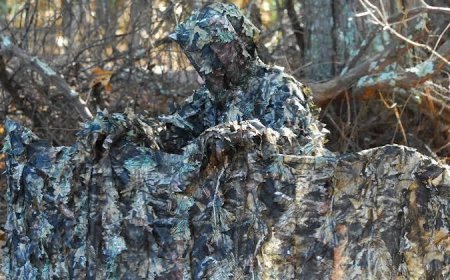
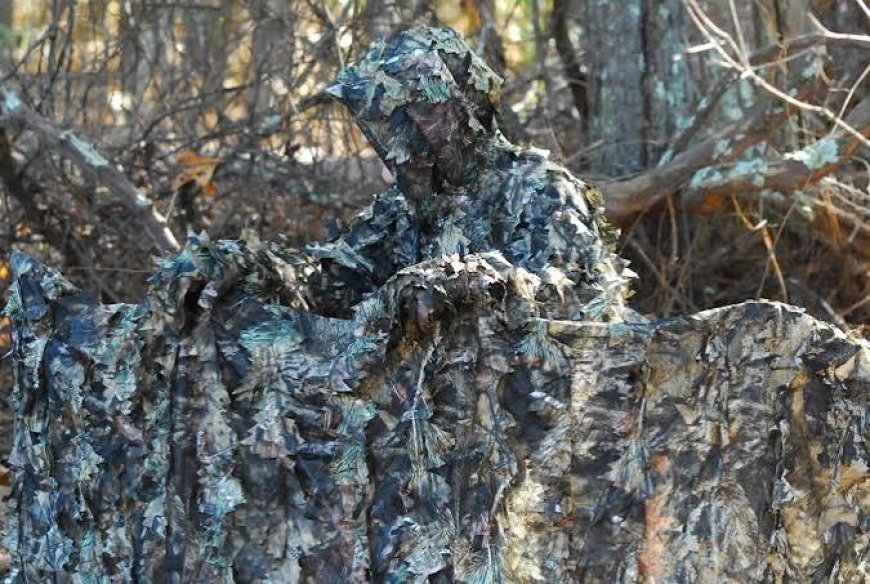
A ghillie suit for hunting is a popular choice for hunters who want clothing that blends visually with natural surroundings. Unlike conventional camouflage garments that rely mainly on printed patterns, ghillie-style clothing often incorporates textured materials, loose fabric strips, or three-dimensional elements. These features create a more irregular appearance that can complement the surrounding vegetation. Selecting a suitable option requires attention to the terrain, weather, fit, and overall construction rather than focusing on appearance alone.
Understanding the Purpose of a Ghillie Suit for Hunting
A ghillie suit is designed to break up the outline of the person wearing it by incorporating textures and patterns inspired by natural environments. This approach can help the clothing blend more naturally into its surroundings when the colors and materials match the landscape. Hunters exploring wooded trails, open fields, or areas with dense vegetation may consider this type of apparel as part of their overall outdoor preparation.
Choosing a ghillie suit for hunting should begin with understanding the conditions in which it will be used. A design intended for leafy woodland may not work equally well in dry grassland or a rocky environment. Seasonal changes also affect the appearance of vegetation, so a color combination that looks appropriate during spring may stand out during autumn. Considering these differences helps hunters make a more informed decision about their clothing.
How Camouflage Patterns Complement Natural Surroundings
Camouflage works by reducing the visual contrast between clothing and the surrounding environment. Natural landscapes contain a mixture of colors, shadows, irregular shapes, and textures. Clothing that reflects these characteristics can appear less uniform than garments with a simple, repeating pattern. Three-dimensional details can contribute to this effect by creating additional texture across the garment's surface.
However, camouflage performance depends on several factors beyond the clothing itself. Distance, lighting, movement, background colors, and the observer's viewing angle can all influence how noticeable a person appears. A carefully selected outfit cannot guarantee invisibility, and hunters should avoid relying on clothing as their only preparation for an outdoor activity. Understanding these limitations encourages realistic expectations and responsible use of hunting equipment.
Selecting the Right Design for Different Hunting Environments
The environment should be one of the first considerations when comparing hunting camouflage. Woodland areas generally feature changing shades of green, brown, and gray, along with branches, leaves, and patches of shadow. Open grasslands may require lighter colors and a different arrangement of textures. Meanwhile, dry terrain can contain muted tan, beige, and earthy brown tones that differ considerably from heavily vegetated locations.
When evaluating a ghillie suit for hunting, consider the places where you expect to spend the most time outdoors. Look at the dominant colors, the amount of vegetation, and the seasonal conditions of the area. A versatile design may be useful for people who visit several environments, while a specialized pattern may be more appropriate for a particular landscape. The objective is to select clothing that suits the intended conditions without compromising comfort or mobility.
Comfort and Fit for Extended Outdoor Activities
Comfort is an essential part of choosing hunting apparel because outdoor activities can involve walking, standing, sitting, and remaining in one position for extended periods. Clothing that restricts movement or creates unnecessary pressure can make an outing less enjoyable. A suitable fit should allow the wearer to move naturally while accommodating the layers needed for the expected weather.
Before purchasing a garment, review its sizing information and consider what you may wear underneath it. Room for appropriate base layers can be useful during colder conditions, while excessive bulk may become uncomfortable in warmer weather. Pay attention to the placement of openings, the flexibility of the material, and whether the garment can be put on and removed without difficulty. These practical details often matter more during real outdoor use than appearance alone.
Breathability and Weather Considerations
Weather can change considerably throughout a hunting trip, particularly when activities take place across different elevations or during transitional seasons. Thick, heavily textured clothing may retain more heat than lightweight alternatives, so breathability deserves attention when comparing designs. In warmer conditions, excessive insulation can contribute to discomfort, while colder weather may require suitable thermal layers underneath the outer garment.
Moisture management is another important consideration. Rain, morning dew, humidity, and perspiration can affect the comfort of outdoor clothing. Review product information to understand the fabric composition, drying characteristics, and any weather-related limitations. A camouflage garment should complement an appropriate layering system rather than serve as a replacement for protective clothing suited to the forecast.
Material Quality and Construction Details
The materials used in hunting clothing influence durability, weight, flexibility, and maintenance requirements. Strong stitching can help garments withstand repeated use, while secure attachments may reduce the likelihood of decorative elements becoming loose during ordinary movement. At the same time, lightweight construction can be beneficial for people who need to carry their equipment across longer distances.
Titan 3D encourages shoppers to examine product details carefully before making a purchase. Check the quality of the seams, the attachment of textured components, and the overall finish of the garment. Consider whether the materials are suitable for the environments you visit and whether the manufacturer provides clear care instructions. Understanding these details makes it easier to compare products based on practical value rather than relying exclusively on photographs or promotional descriptions.
Mobility, Visibility, and Practical Safety
Hunting apparel should allow the wearer to move safely through the environment. Loose fabric, hanging strips, and textured attachments can create additional bulk, which may catch on branches or interfere with movement if the design is unsuitable for the terrain. A well-considered choice balances camouflage characteristics with the practical requirements of walking, navigating uneven ground, and carrying essential equipment.
Safety should remain a priority whenever hunting clothing is used. Hunters must follow local regulations, identify their targets positively, and maintain awareness of other people in the area. Where required or appropriate, use legally compliant high-visibility garments or accessories. Camouflage should never take precedence over safe identification, visibility requirements, or responsible firearm handling.
Features to Compare Before Buying
Comparing several products can help buyers identify the design that best matches their needs. Rather than selecting an outfit solely because it looks realistic in a photograph, examine its specifications and consider how the garment will perform during the activities you have planned.
Important features to review include:
-
Camouflage appearance: Check whether the colors and textures suit your usual terrain and the season.
-
Fit and flexibility: Confirm that the garment permits comfortable movement and accommodates necessary clothing layers.
-
Material construction: Review stitching, fabric quality, and the security of attached decorative elements.
-
Weight and breathability: Consider the expected temperature, walking distance, and duration of outdoor use.
-
Maintenance requirements: Check cleaning instructions and whether the materials need special care.
-
Overall practicality: Evaluate storage, ease of dressing, and compatibility with other essential outdoor equipment.
These considerations can make product comparisons more meaningful. They also help buyers avoid paying for features that offer little value in their particular environment. A suitable choice is one that meets practical requirements while providing the desired camouflage appearance.
Caring for Your Hunting Camouflage Clothing
Regular care can help preserve the appearance and useful life of outdoor garments. Dirt, sweat, moisture, and plant debris may accumulate during an outing, especially when clothing is worn in damp or heavily vegetated areas. Following the manufacturer's cleaning recommendations helps prevent avoidable damage to fabrics, stitching, and attached materials.
After returning from the field, inspect the garment for loose components, damaged seams, and debris. Allow wet clothing to dry thoroughly according to its care instructions before placing it in storage. Avoid harsh cleaning methods unless the manufacturer specifically permits them, as unsuitable treatments can affect fabric performance or color. Proper storage also helps prevent textured materials from becoming unnecessarily compressed or tangled.
Why Titan 3D Matters When Exploring Hunting Apparel
Selecting outdoor clothing involves balancing appearance, comfort, construction, and suitability for the intended activity. Titan 3D provides a business name for hunters and outdoor enthusiasts to consider when exploring relevant hunting apparel and camouflage options. Buyers should review the available product descriptions, material details, sizing information, and care guidance to determine whether a particular design meets their requirements.
When researching a ghillie suit for hunting, shoppers benefit from comparing relevant features rather than making a decision based on one characteristic. Consider the environment, expected weather, garment weight, and freedom of movement together. Reading product specifications carefully can also help clarify which features are included and which accessories, if any, must be purchased separately. This approach supports a more informed purchasing decision and helps set realistic expectations before heading outdoors.
Preparing for a More Comfortable Hunting Experience
Good preparation begins before leaving home. Check the weather forecast, organize essential equipment, and choose clothing appropriate for the terrain and expected conditions. Depending on the outing, useful items may include suitable footwear, water, navigation equipment, weather protection, and a first-aid kit. Hunters should also understand applicable licensing requirements, seasonal restrictions, and local rules concerning permitted equipment and visibility.
Clothing selection should form part of a broader preparation plan. Even a thoughtfully designed camouflage outfit cannot compensate for inadequate planning or unsafe decisions. By combining suitable apparel with environmental awareness and responsible practices, hunters can approach outdoor activities with greater confidence and a clearer understanding of their equipment's capabilities.
Conclusion
Choosing the right hunting apparel requires careful consideration of the environment, weather, comfort, material quality, and safety. A ghillie suit for hunting can provide a textured camouflage appearance that complements natural surroundings, but its suitability depends on the conditions in which it will be worn. Understanding the differences between woodland, grassland, and dry terrain helps shoppers identify patterns and materials that make sense for their intended activities.
Titan 3D can be considered when researching relevant camouflage apparel and comparing available options. By reviewing product specifications, checking fit, evaluating construction, and following proper care instructions, buyers can make a more informed decision. Ultimately, the most suitable hunting clothing is not simply the garment with the most elaborate appearance. It is the option that balances practical design, comfortable movement, environmental suitability, and responsible outdoor use.
What's Your Reaction?
 Like
0
 Dislike
0
 Love
0
 Funny
0
 Angry
0
 Sad
0
 Wow
0