



















A Beginner's Guide to Hydroseeding in North Texas
Hydroseeding North Texas properties can be a practical way to establish grass across residential lawns, commercial landscapes, and newly developed sites.

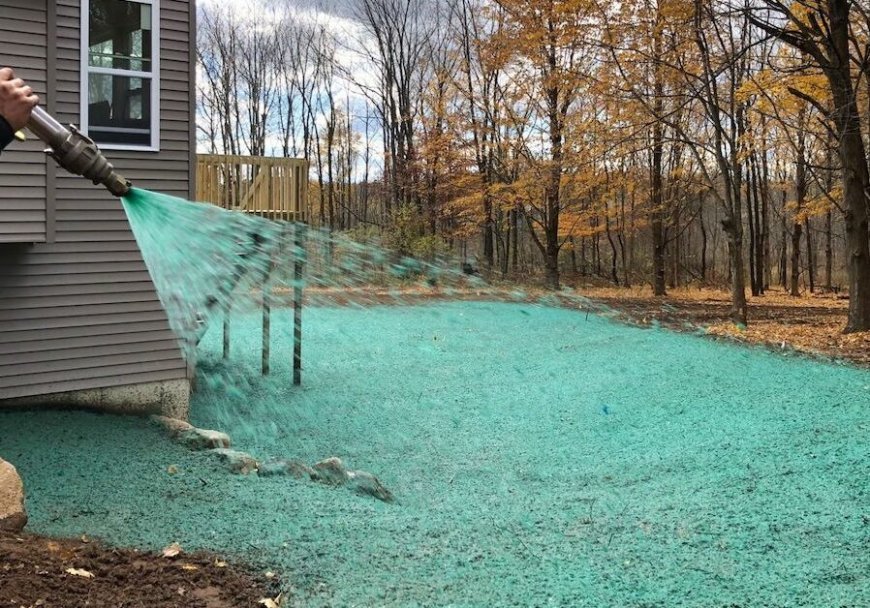
Creating a healthy, attractive lawn in North Texas can be challenging for beginners, especially when dealing with hot summers, changing rainfall patterns, and different soil conditions. Whether you are improving your home's backyard, establishing grass around a new property, or landscaping a large commercial site, choosing the right seeding method is an important first step. Hydroseeding North Texas properties offers a practical way to distribute grass seed across prepared soil while helping retain moisture during germination. With the right preparation, seed selection, and ongoing care, this method can help property owners establish green spaces suited to their landscape's needs.
Hydroseeding combines grass seed, water, fiber mulch, and other suitable materials into a mixture that is sprayed over the ground using specialized equipment. The process is often used for large lawns, newly constructed properties, roadside areas, and landscapes that require efficient seed distribution. Compared with installing sod, hydroseeding generally costs less upfront for extensive areas, although the grass needs time to grow before it can handle regular use. Understanding the process before beginning can help beginners make informed decisions, set realistic expectations, and avoid common lawn-establishment mistakes.
What Is Hydroseeding and How Does It Work?
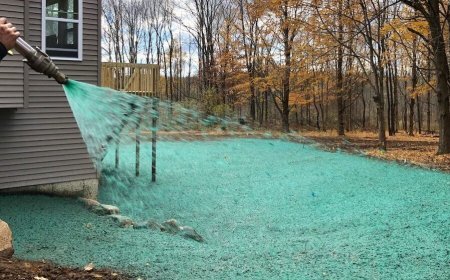
Hydroseeding is a planting technique that applies a liquid mixture of grass seed, water, and mulch directly onto prepared soil. Depending on the project's requirements, the mixture may also include fertilizer or a binding agent to support establishment or help the material remain in place. Specialized equipment blends these components and sprays them evenly across the selected area. The mulch helps retain moisture around the seeds and can reduce the impact of rainfall on exposed soil while germination begins.
The process starts with preparing the ground so that seeds have suitable conditions for growth. This may involve removing debris, controlling weeds, loosening compacted soil, correcting uneven areas, and improving the seedbed where necessary. Once preparation is complete, the contractor applies the hydroseed mixture at an appropriate rate for the selected grass variety and site conditions. After application, the soil must receive suitable moisture and protection while the seeds germinate and young grass develops roots.
Hydroseeding is different from traditional dry seeding because the seed and mulch are applied together in a water-based mixture. It also differs from sod installation, which places established grass over the soil for a more immediate covering. Hydroseeding allows grass to develop naturally from seed, making it a practical option for many large or open landscapes. However, it does not provide instant results, and the success of the lawn depends on appropriate preparation, suitable growing conditions, and consistent aftercare.
Choosing the Right Grass for North Texas Conditions
Selecting an appropriate grass variety is one of the most important decisions when planning Hydroseeding North Texas properties. The region's warm climate makes certain warm-season grasses suitable for many lawns, but the best choice depends on sunlight, soil conditions, water availability, and expected foot traffic. Bermuda grass is commonly used in sunny areas that need a durable lawn, while other varieties may be better suited to particular landscape requirements. A knowledgeable contractor can recommend a seed blend based on the property's conditions and maintenance goals.
Sun exposure deserves special attention because grass varieties differ in their ability to tolerate shade. Open commercial landscapes and sunny residential yards may support grass that needs several hours of direct sunlight each day. Areas beneath trees or beside buildings may require a different approach, including a shade-tolerant variety or an alternative landscape design. Choosing grass that matches the environment can help reduce thin coverage, repeated reseeding, and unnecessary maintenance expenses.
Soil quality also affects the results. Some North Texas properties contain heavy clay soil, which may drain slowly or become compacted after construction activities. Other areas may have shallow topsoil or uneven grading that interferes with root development. Before selecting seed, consider whether the soil needs improvement and whether the property has adequate drainage. A well-prepared seedbed and suitable grass selection provide a stronger foundation for a healthy lawn.
What Does Hydroseeding Cost, and Is It Worth It?
The cost of hydroseeding depends on the size of the area, site preparation requirements, selected seed mixture, accessibility, and materials used. A relatively level property with suitable soil may require less preparation than a construction site with compacted ground, weeds, or drainage problems. Contractors may provide estimates based on square footage, acreage, or the specific work involved. Requesting a site-specific quote is the best way to understand the expected investment before beginning the project.
Hydroseeding can be more economical than sod installation when establishing grass across large areas because it uses seed rather than mature turf. It can also reduce the amount of manual labor required for distributing seed across extensive ground. However, the grass needs time to germinate and establish before it can handle regular use. Businesses or homeowners who need immediate ground coverage may prefer sod for selected areas, even if the initial installation costs more.
When comparing prices, ask what the estimate includes. A complete proposal should explain soil preparation, seed selection, mulch materials, application, and any additional services required. It should also clarify whether irrigation improvements, follow-up visits, or reseeding are included. Understanding the full scope of work helps prevent unexpected costs and makes it easier to compare contractors fairly. The most economical choice is usually the method that meets your property's needs without creating avoidable problems later.
When to Hire Commercial Hydroseeding Services
Commercial hydroseeding services are particularly useful when a project involves large areas that need efficient and consistent seed application. Office parks, retail developments, industrial properties, roadside landscapes, and newly constructed facilities can all benefit from a properly planned hydroseeding project. The method allows contractors to distribute seed and mulch over broad surfaces, helping establish vegetation after grading or other site preparation work. It can also be suitable for restoring exposed soil when the ground conditions and erosion-control requirements are properly addressed.
For commercial projects, planning should begin before the application date. Property managers should coordinate hydroseeding with grading, drainage installation, irrigation setup, and other construction activities. Applying seed before heavy equipment has finished working can lead to damaged ground and additional expenses. Scheduling the work after the site is ready helps protect the application and gives the grass a better chance to establish without unnecessary disturbance.
Businesses should also prepare for the maintenance period after application. Newly seeded areas need suitable moisture, protection from heavy traffic, and regular monitoring during germination. A contractor should explain the watering schedule and provide guidance on when mowing or routine use can resume. By including these responsibilities in the project plan, property managers can coordinate maintenance more effectively and improve the likelihood of successful grass establishment.
How to Maintain Your Hydroseeded Lawn Successfully
Proper aftercare is essential for helping a hydroseeded lawn develop into healthy grass. During germination, the seedbed should remain consistently moist without becoming waterlogged. The exact watering schedule depends on the grass variety, weather, soil conditions, and irrigation system. North Texas heat can cause exposed soil to dry quickly, so property owners should monitor the area regularly and follow the contractor's recommendations. Heavy watering that creates runoff should be avoided because it may move seeds or mulch away from the intended area.
As the grass begins to grow, avoid unnecessary foot traffic and delay mowing until the seedlings are sufficiently developed. Mowing too early can damage young plants, while equipment used on wet or soft soil may create ruts and disturb the seedbed. Once the lawn is established, watering can be adjusted to encourage stronger root development. Fertilizer should be applied according to the grass's needs and appropriate recommendations rather than using excessive amounts that may damage the lawn or contribute to runoff.
Long-term maintenance may include mowing, seasonal fertilization, weed management, irrigation adjustments, and occasional reseeding. Inspecting the lawn regularly helps identify thin patches or drainage problems before they become more serious. If grass is not developing as expected, review watering practices and consult the contractor about possible soil or seed-related issues. With appropriate care, a well-planned hydroseeding project can provide an attractive lawn that supports the property's appearance and long-term landscaping goals.
Conclusion
Hydroseeding North Texas properties can be a practical way to establish grass across residential lawns, commercial landscapes, and newly developed sites. The method combines seed, water, and mulch to support germination while helping retain moisture and protect exposed soil. For beginners, understanding site preparation, grass selection, application timing, and aftercare makes the process easier to manage and helps establish realistic expectations.
Before starting a project, evaluate your soil conditions, determine the most suitable grass variety, and compare the costs of hydroseeding with other planting methods. If you are considering commercial hydroseeding services, choose a contractor who understands local growing conditions and provides clear information about preparation, materials, and maintenance. A well-planned approach can help prevent avoidable expenses and improve the chances of successful establishment.
Whether you are creating a new backyard lawn or improving extensive commercial grounds, careful planning and consistent maintenance are essential. By choosing suitable grass, preparing the soil correctly, and following professional watering guidance, you can build a strong foundation for healthy growth. Hydroseeding can be an effective landscaping option when the method matches the property's needs and receives the care required to thrive in North Texas conditions.
What's Your Reaction?
 Like
0
 Dislike
0
 Love
0
 Funny
0
 Angry
0
 Sad
0
 Wow
0