
















Acne Treatment in Dubai: Causes, Options and Skin Care Guide

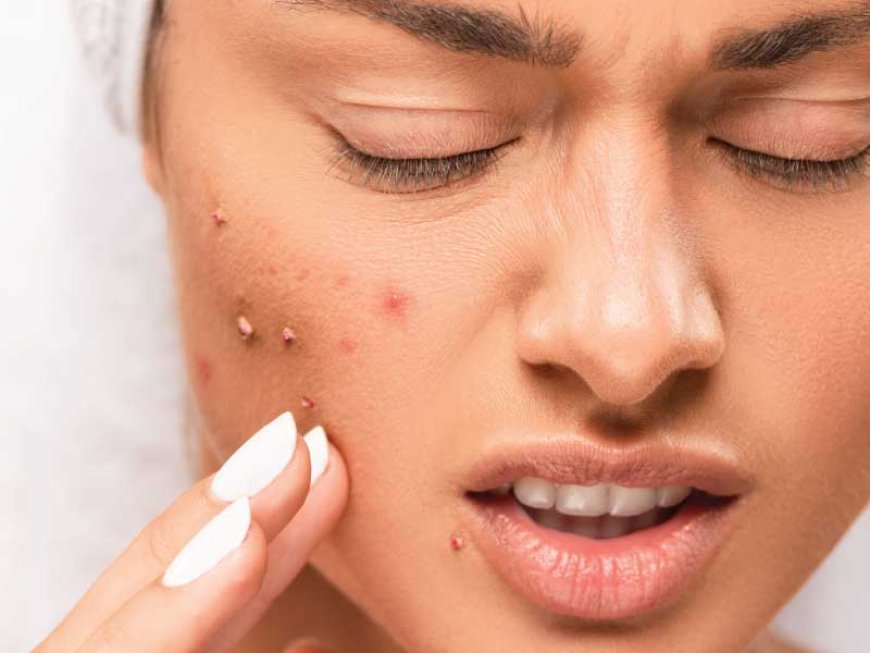
Acne is one of the most common skin concerns, affecting teenagers and adults alike. It can appear as blackheads, whiteheads, red bumps, painful pimples, or deeper lumps beneath the skin. While acne is often associated with adolescence, hormonal changes, stress, certain medications, and everyday skin care habits can also contribute to breakouts in adulthood.
Living in Dubai can present additional skin care challenges. Heat, humidity, sweating, sunscreen use, and frequent exposure to air-conditioned environments may influence how the skin feels and responds to different products. Although these factors do not directly cause every acne breakout, they can make an appropriate skin care routine particularly important.
Finding the right acne treatment in Dubai starts with understanding the type of acne, its possible causes, and the treatments suitable for your skin. With the right approach, many people can manage breakouts, reduce inflammation, and lower the risk of long-term scarring.
What Is Acne and Why Does It Develop?
Acne is a skin condition that develops when hair follicles become blocked with oil and dead skin cells. The skin naturally produces sebum, an oily substance that helps maintain its protective barrier. However, excess oil, blocked pores, inflammation, and the activity of certain skin bacteria can contribute to acne.
Acne can affect the face, chest, shoulders, and back. Its severity varies from occasional pimples to widespread inflammatory breakouts that may leave scars.
Common Types of Acne
Understanding the appearance of acne can help patients describe their concerns during a dermatology consultation.
-
Blackheads: Open pores containing trapped oil and dead skin cells that appear dark at the surface.
-
Whiteheads: Closed, blocked pores that create small, pale bumps.
-
Papules: Small, inflamed red or pink bumps that may feel tender.
-
Pustules: Inflamed spots containing visible pus.
-
Nodules: Larger, deeper, and often painful lumps beneath the skin.
-
Cyst-like lesions: Deep, inflamed lesions that can increase the risk of permanent scarring.
Mild acne may respond to suitable over-the-counter products, while persistent, painful, or severe acne often requires professional assessment.
What Causes Acne Breakouts?
Acne rarely develops for just one reason. Several biological and environmental factors can contribute to blocked pores and inflammation.
Hormonal Changes
Hormones can increase sebum production, which is why acne commonly develops during puberty. Hormonal fluctuations around menstruation, pregnancy, or certain endocrine conditions may also contribute to breakouts in adults.
Some people experience recurring acne along the jawline and chin, although the location of pimples alone cannot confirm a hormonal cause.
Excess Oil and Blocked Pores
When dead skin cells and sebum accumulate inside hair follicles, pores can become blocked. This creates an environment where acne lesions may develop, particularly when inflammation is present.
Using heavy or pore-clogging skin care products may worsen breakouts in some individuals. Products labelled non-comedogenic are generally formulated to be less likely to block pores.
Stress and Lifestyle Factors
Stress does not directly cause every case of acne, but it may aggravate existing breakouts in some people. Poor sleep and inconsistent skin care habits can also make acne management more difficult.
Diet may play a role for certain individuals. Research suggests that high-glycaemic foods and some dairy products may be associated with acne in some populations, but dietary effects vary. Restrictive diets are not necessary for everyone with acne.
Dubai's Climate and Skin Care Habits
Dubai's hot weather can increase sweating and make the skin feel oilier. Sweat, friction from clothing, and occlusive products may contribute to irritation or acne-like breakouts in susceptible individuals.
To support healthier skin in this environment:
-
Cleanse gently after heavy sweating or exercise.
-
Choose lightweight, non-comedogenic sunscreen and moisturiser.
-
Avoid repeatedly washing or scrubbing the face.
-
Change out of sweaty clothing when practical.
-
Keep hair products away from acne-prone areas.
These measures can support acne management, although climate alone is not the underlying cause of every breakout.
Acne Treatment in Dubai: Available Options
The most suitable treatment depends on the severity of acne, the type of lesions, skin sensitivity, medical history, and whether scarring or dark marks are present. A dermatologist may recommend one treatment or a combination to address different causes of acne.
1. Topical Acne Treatments
Topical treatments are applied directly to the skin and are commonly used for mild to moderate acne.
Common options include:
-
Benzoyl peroxide: Helps reduce acne-causing bacteria and inflammation.
-
Topical retinoids: Ingredients such as adapalene help prevent blocked pores and support normal skin cell turnover.
-
Azelaic acid: May help manage acne and improve the appearance of post-acne dark marks.
-
Salicylic acid: Helps exfoliate the skin and clear blocked pores.
Not every ingredient is suitable for every person. Some treatments cause dryness, redness, or irritation, particularly when introduced too quickly. A health professional can help determine the appropriate product and frequency.
Topical retinoids should be discussed with a healthcare professional before use during pregnancy or when planning pregnancy.
2. Oral Medications for Persistent Acne
When acne is widespread, painful, or unresponsive to topical treatment, a dermatologist may consider oral medication.
Depending on the patient's needs, options can include oral antibiotics for selected cases, hormonal treatments for eligible patients, or isotretinoin for severe or treatment-resistant acne.
Oral antibiotics are generally used for a limited period and alongside appropriate topical treatment to help reduce antibiotic resistance. Hormonal treatments are suitable only for certain patients and require medical evaluation.
Isotretinoin can be highly effective for severe acne, but it carries important risks and requires strict medical supervision. It causes serious birth defects if taken during pregnancy, so pregnancy prevention and monitoring requirements must be followed where applicable.
Patients should not start, stop, or change prescription acne medication without professional guidance.
3. Chemical Peels and Selected In-Clinic Procedures
Some clinics offer superficial chemical peels or other procedures as part of an acne management plan. Depending on the technique and the patient's skin, these treatments may help improve clogged pores, uneven texture, or the appearance of post-acne marks.
However, procedures are not appropriate for every acne type. Aggressive exfoliation or poorly selected treatments may worsen inflammation or cause pigmentation changes, particularly in skin that is prone to post-inflammatory hyperpigmentation.
A qualified practitioner should assess active acne, skin sensitivity, and pigmentation concerns before recommending a procedure.
4. Treatment for Acne Scars and Dark Marks
Acne can leave two different types of marks. Post-inflammatory hyperpigmentation appears as flat brown, grey, or dark spots, while acne scars involve changes in skin texture, such as depressions or raised areas.
Dark marks may gradually fade with time and appropriate skin care. Sun protection and selected topical ingredients can help manage pigmentation.
Indented or raised scars may require different approaches, such as microneedling, selected laser procedures, or other dermatologist-led treatments. These procedures are usually considered after active acne is better controlled.
Treating active acne early can reduce the likelihood of developing additional scars.
How to Build an Acne-Friendly Skin Care Routine
A consistent routine can support medical treatment and reduce irritation. More products do not necessarily produce better results; a simple routine is often easier to maintain.
Morning Routine
-
Cleanse gently: Use a mild cleanser suited to your skin type.
-
Apply suitable treatment: Use a recommended acne product if it is part of your treatment plan.
-
Moisturise: Choose a lightweight, non-comedogenic moisturiser to support the skin barrier.
-
Use sunscreen: Apply broad-spectrum SPF 30 or higher and reapply as directed, especially when spending time outdoors.
Evening Routine
-
Remove sunscreen, makeup, and daily impurities with a gentle cleanser.
-
Apply prescribed or recommended acne treatment according to its instructions.
-
Use moisturiser to reduce dryness and support the skin barrier.
Avoid squeezing pimples, using harsh scrubs, or layering multiple strong active ingredients without guidance. These habits may increase irritation, inflammation, and the risk of scarring.
Introduce new products gradually when appropriate, and allow sufficient time to assess their effects.
When Should You See a Dermatologist?
Professional assessment is advisable when acne is persistent, painful, widespread, or beginning to leave scars. A consultation is also useful when over-the-counter treatments have not helped or when breakouts are affecting confidence and emotional well-being.
Seek prompt medical advice if acne-like lesions appear suddenly with unusual symptoms, severe swelling, or signs of a possible skin infection.
During an appointment, the practitioner may ask about your symptoms, previous treatments, medications, menstrual history where relevant, and skin care routine. This information helps guide treatment selection and identify factors that may be contributing to breakouts.
At Minal Medical Centre, patients seeking guidance on skin concerns can discuss their symptoms and treatment needs with the appropriate healthcare professional. The aim of an assessment is to understand the concern and consider suitable options rather than rely on a one-size-fits-all approach.
How Long Does Acne Treatment Take to Work?
Acne treatment usually requires consistency and patience. Some people notice early improvements within several weeks, but many topical treatments need around six to eight weeks before their effects become clearer. A fuller assessment of improvement may take approximately three months, depending on the treatment and severity.
During the initial weeks, dryness or mild irritation can occur with some products. However, severe irritation, swelling, or a significant worsening of symptoms should be discussed with a healthcare professional.
If a treatment is not working as expected, do not automatically increase the amount or combine additional products. A practitioner can review the routine and adjust it when necessary.
Frequently Asked Questions
1. What is the best acne treatment in Dubai?
The best treatment depends on the type and severity of acne, skin sensitivity, and whether scars or dark marks are present. Options may include topical creams, prescription medication, or selected in-clinic procedures. A professional assessment can help identify an appropriate approach.
2. Can acne be treated permanently?
Acne can often be controlled effectively, and some people experience long periods without breakouts. However, it may recur because of hormonal changes or other contributing factors. Maintenance skin care and appropriate follow-up can help manage future breakouts.
3. Does Dubai's hot weather cause acne?
Hot weather does not directly cause all acne, but sweating, friction, and certain skin care products may aggravate breakouts in susceptible individuals. Gentle cleansing, breathable clothing, and non-comedogenic products can help support acne-prone skin.
4. How can I get rid of acne scars and dark spots?
Flat dark marks may gradually fade with time, sun protection, and suitable topical treatments. Textured scars may require procedures such as microneedling or selected laser treatments. The right option depends on the type of scarring, skin tone, and whether active acne is still present.
5. When should I seek professional acne treatment?
Consider a consultation if acne is painful, persistent, widespread, or leaving scars, or if suitable non-prescription treatments have not helped. Early assessment can help prevent avoidable skin damage and guide treatment based on individual needs.
Conclusion
Acne management involves more than treating individual pimples. Understanding the causes, choosing suitable products, following a consistent skin care routine, and seeking professional advice when needed can help improve skin health and reduce the risk of scarring. Results vary, so treatment should be tailored to each person's skin and medical needs.
For people exploring acne treatment in Dubai, Minal Medical Centre can be a starting point for discussing skin concerns and understanding appropriate care options. With informed decisions, realistic expectations, and consistent treatment, acne can often be managed more effectively over time.
What's Your Reaction?
 Like
0
 Dislike
0
 Love
0
 Funny
0
 Angry
0
 Sad
0
 Wow
0