













Vale Dreams: Creating Distinctive Streetwear Through the Art of Layering
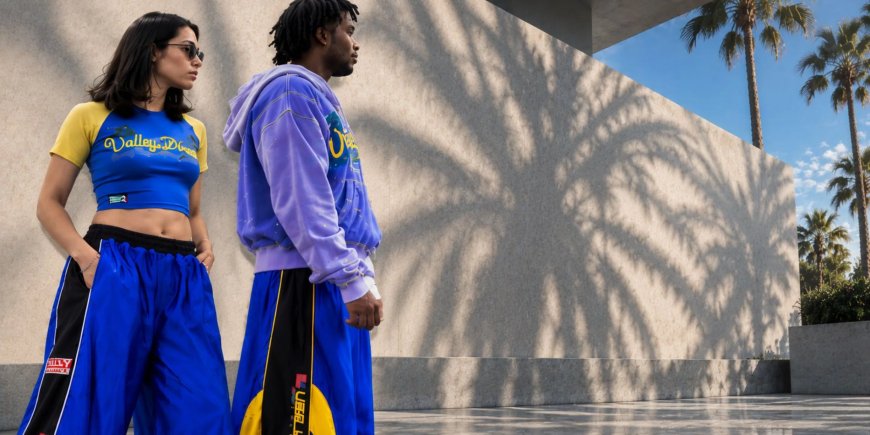
Vale Dreams fits naturally into this creative approach to contemporary dressing, where the goal is to develop distinctive looks.

Discovering New Possibilities in Everyday Clothing
Layering is one of the most practical ways to make a casual wardrobe more versatile. It allows familiar garments to work in different combinations while adding depth, contrast, and personality to an outfit. A simple T-shirt can look completely different beneath an open shirt, a sweatshirt, or a lightweight jacket. Streetwear embraces this flexibility through relaxed silhouettes, graphic designs, and combinations that balance comfort with individual expression. Vale Dreams fits naturally into this creative approach to contemporary dressing, where the goal is to develop distinctive looks using pieces that remain useful in everyday life. With thoughtful choices, layering can turn a small collection of clothing into a wide range of outfits.
Starting With a Strong Base Layer
Every layered outfit begins with a comfortable foundation. A basic T-shirt, lightweight long-sleeve top, or breathable shirt can provide the first layer without adding unnecessary bulk. Neutral colors are especially useful because they work with a wide range of outer garments. White, black, grey, and cream can support brighter colors or graphic designs while keeping the overall appearance balanced. The base layer should fit comfortably and allow enough movement for the activities planned during the day. Choosing a suitable fabric is also important, particularly when several garments will be worn together. A good foundation makes every additional layer easier to style.
Using Hoodies to Add Depth and Character
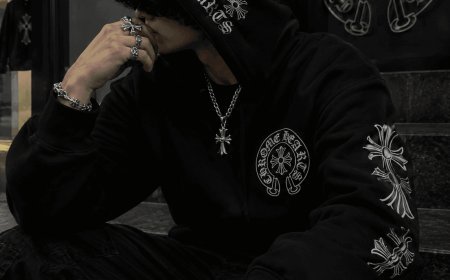
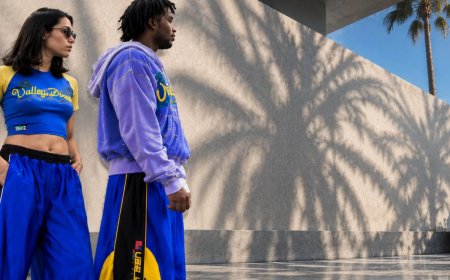
Hoodies are particularly useful for layering because their relaxed shape works with many different streetwear essentials. They can be worn beneath a coat, combined with a denim jacket, or styled over a lightweight shirt when temperatures allow. A Valley Dreams Hoodie can become the main element of an outfit when paired with straight-leg jeans and simple sneakers. For more visual depth, try adding an outer layer in a contrasting material, such as denim or canvas. Pay attention to sleeve length and overall bulk so the garments sit comfortably together. The objective is to create an outfit that feels natural rather than forcing too many layers into one combination.
Combining Different Fabrics for Visual Interest
Fabric choices can transform the appearance of a layered outfit even when the colors remain similar. Soft cotton, textured fleece, sturdy denim, and structured canvas each contribute a different quality. Combining materials creates contrast and makes an outfit feel more considered. For example, a smooth cotton shirt beneath a textured jacket offers subtle variation without requiring a bold graphic. Denim can introduce structure, while a lightweight overshirt keeps the appearance relaxed. It is generally helpful to begin with two or three complementary textures rather than combining every material at once. This approach keeps the outfit balanced and allows individual garments to remain visible.
Bringing Graphic Shirts Into Layered Looks
Graphic shirts provide an opportunity to introduce artwork, typography, and color into a layered outfit. They can be worn alone when the weather is warm or used as a visual focal point beneath an open overshirt. A Vale Dreams Shirt can work with neutral trousers and a simple jacket, allowing the design to remain noticeable without competing with too many other details. When selecting an outer layer, consider whether its color complements the shirt and whether it leaves enough of the graphic visible. A plain jacket often works well with a detailed print, while a graphic outer layer may pair more naturally with a simpler base garment.
Balancing Oversized Pieces With Structured Layers
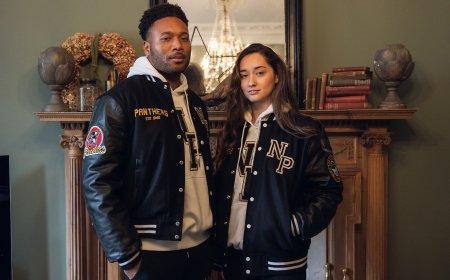
Streetwear often features relaxed clothing, but combining oversized garments requires attention to proportion. A loose hoodie beneath a roomy jacket can create considerable bulk, particularly around the shoulders and sleeves. Pairing a relaxed top with straighter trousers may provide a cleaner balance. Alternatively, a structured jacket can add definition to a soft, oversized silhouette. Garment length also matters because layers that end at similar points can sometimes make an outfit look less deliberate. Try different combinations in front of a mirror and consider how they feel when walking or sitting. Comfort and movement should remain just as important as appearance.
Choosing Colors That Work Together
A coordinated color palette helps layered outfits feel cohesive. Start with one main shade and use complementary neutrals for the remaining garments. For instance, black trousers, a grey top, and a cream overshirt can create a balanced combination with enough contrast to distinguish each layer. Alternatively, a colorful hoodie can become the central feature when surrounded by darker pieces. Similar shades can also work together when their textures differ. There is no need to match every garment exactly; small variations often make an outfit more interesting. Choosing colors that complement one another also increases the number of combinations available from the existing wardrobe.
Adapting Layers to Different Seasons
Layering is useful throughout the year, but the choice of garments should reflect the weather. In spring and autumn, lightweight shirts and jackets can provide flexibility as temperatures change. Winter may call for warmer base layers, heavier outerwear, and fabrics that retain heat. During summer evenings, a thin overshirt can offer coverage without becoming uncomfortable. Valley Dreams Clothing can be part of a broader casual wardrobe built around this kind of seasonal adaptability, where garments are selected for both appearance and practical use. Checking the forecast and considering planned activities helps prevent unnecessary layers and makes it easier to dress comfortably throughout the day.
Completing the Outfit With Footwear and Accessories
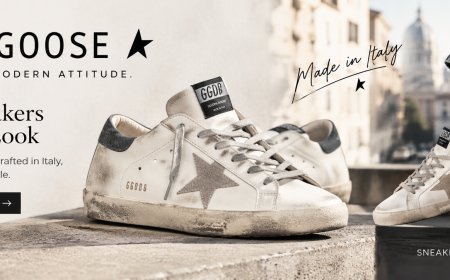
Footwear and accessories can bring a layered outfit together. Classic sneakers often complement relaxed streetwear, while heavier shoes may work well with denim and structured outerwear. Caps, belts, and crossbody bags can introduce useful details without overwhelming the clothing. Consider the overall balance before adding accessories. If the outfit already includes a prominent graphic and several contrasting textures, simpler accessories may be enough. A more understated combination can accommodate a brighter cap or distinctive bag. Choosing accessories that suit the activity also improves practicality, especially when spending long periods walking or moving between different environments.
Shopping for Pieces That Layer Well
When adding clothing to a wardrobe, consider how the garment will work with existing pieces. A jacket that fits over a hoodie, a shirt that can be worn alone or beneath outerwear, and trousers that coordinate with several tops can offer more value than items with limited styling options. Review sizing details, material information, and care instructions before purchasing. It is also useful to consider the climate and how frequently a garment is likely to be worn. A collection of compatible pieces makes layering easier and reduces the temptation to buy new clothing whenever an outfit begins to feel repetitive.
Maintaining Layered Garments Over Time
Regular care helps preserve the shape and appearance of clothing that is worn frequently. Follow the care labels for washing and drying, paying particular attention to heavier garments and printed designs. Allow clothing to dry fully before storing it, and avoid overcrowding storage spaces in ways that may distort garment shapes. Denim, fleece, cotton, and other fabrics may require different care routines, so one method should not automatically be used for everything. Small repairs can also extend the life of favorite pieces. Maintaining clothing properly makes it easier to continue using familiar garments in new combinations.
Developing a Layering Style That Feels Personal
Effective layering is not about wearing as many garments as possible. It is about selecting pieces that work together in terms of fit, color, texture, and comfort. By starting with a reliable base, introducing complementary layers, and adjusting the combination to suit the weather, anyone can create outfits that feel distinctive without becoming complicated. Experimenting with existing clothing is often the best way to discover new possibilities. Over time, these small choices help develop a recognizable personal style that remains adaptable to different activities and seasons. The strongest streetwear combinations are those that express individual taste while fitting naturally into everyday life.
What's Your Reaction?
 Like
0
 Dislike
0
 Love
0
 Funny
0
 Angry
0
 Sad
0
 Wow
0